How to Run a SaaS Product Demo
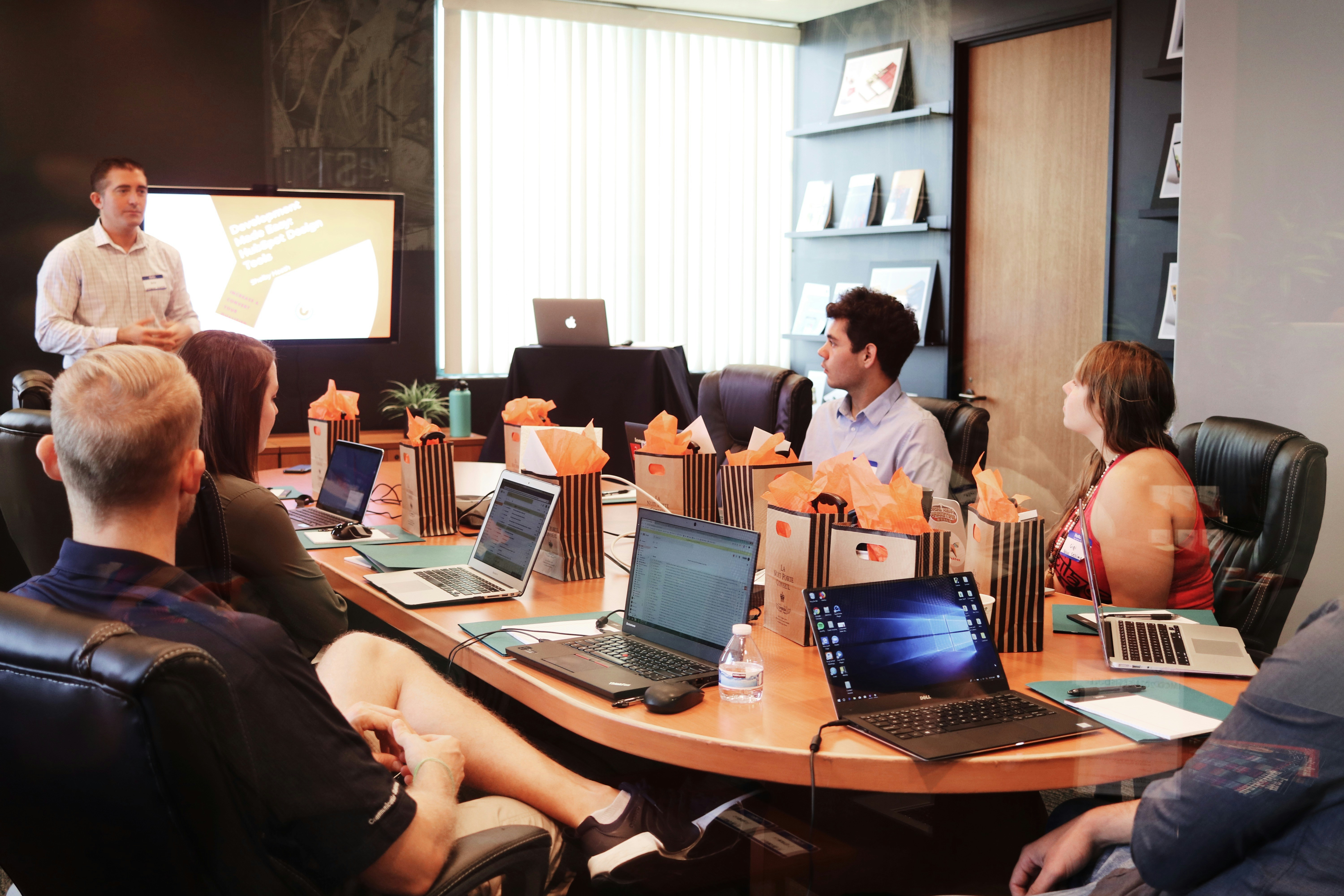
A product demo is the moment in the SaaS sales cycle where the product becomes real for the prospect. Done well, it converts interest into conviction — the prospect moves from "this sounds interesting" to "I can see specifically how this solves my problem." Done poorly, it's a feature walkthrough that leaves the prospect informed but unmoved, with no compelling reason to advance the deal.
The difference is almost always preparation and structure. A demo built around the prospect's specific problems, delivered to the right stakeholders, with the right narrative, advances the deal. A demo built around the product's features, delivered to whoever showed up, with a generic walkthrough, produces a polite "we'll be in touch."
Before the Demo: The Three Prerequisites
Prerequisite 1: Discovery is completeA demo without discovery is a product tour. You don't know which problems to anchor on, which capabilities are most relevant, or which stakeholders' priorities to address. If discovery hasn't happened — run a brief discovery call before the demo, not concurrent with it.
Prerequisite 2: The right stakeholders are confirmedConfirm who is attending before the call, not during it. A demo attended only by junior evaluators when the Economic Buyer should be there is a demo that can't produce a qualified next step. If key stakeholders are missing — reschedule or explicitly plan how to engage them separately.
Prerequisite 3: The demo environment is configuredTechnical setup, screen sharing, demo environment login, and configuration should be completed and tested before the call starts. A 10-minute technical delay at the opening of a demo is a poor first impression that primes the prospect to be sceptical.
The Demo Structure
Opening: Mirror and confirm (5 minutes) "Before I start, I want to confirm we're using this time well. Based on our last conversation, the three areas I've focused the demo on are [pain 1], [pain 2], and [pain 3]. Is that still the right priority, or has anything changed?" Section 1: Primary pain (15–20 minutes)Deep demonstration of the capability that addresses the highest-priority problem identified in discovery. Structure: current state problem → specific product capability → measurable outcome improvement.
Don't race through features. Slow down at the moments that matter most. Ask checkpoints: "Does this match what you're experiencing? Can you see how this changes [specific workflow]?"
Section 2: Secondary capabilities (10–15 minutes)Brief demonstration of two or three additional capabilities — each tailored to a secondary stakeholder's concern or a secondary pain point. Structured the same way: problem → capability → outcome. Faster than Section 1 — these are supporting evidence, not the primary case.
Section 3: Integration and implementation (5–10 minutes)Show how the product works within their existing tech stack. Highlight the specific integrations relevant to their environment. Cover the implementation timeline and what the first 30 days look like. Enterprise buyers need to see that this is deployable, not just functional.
Section 4: Business case (5 minutes)Return to the numbers. Reference the metrics from discovery. Show how the outcomes demonstrated map to the business impact quantified in the business case. This section closes the value loop — the demo becomes evidence for the business case rather than a separate exercise.
Closing: Next steps (5 minutes)End with a specific, defined next step — not "I'll send you a follow-up." A named action with a date and an owner: "Based on what we've covered today, I'd suggest the logical next step is [specific action — POC, EB meeting, commercial proposal]. Does [specific date] work?"
Never leave a demo without a committed next step. A demo that ends with "let us know what you think" is a demo that drifts.
Handling Questions Mid-Demo
Questions during a demo are buying signals — they indicate engagement and interest. Answer questions in the moment unless they would derail the narrative (in which case, park them and commit to returning in a specific section).
Post-Demo Protocol
- Within 2 hours: Send a follow-up email referencing specific moments from the demo and confirm the next step with a calendar invite.
- Same day: Capture stakeholder reactions, open questions, and the next step in the CRM.
- Within 24 hours: If the EB wasn’t present, send a 1–2 page executive summary tied to outcomes + business case.
How Brazn Supports Demo Excellence
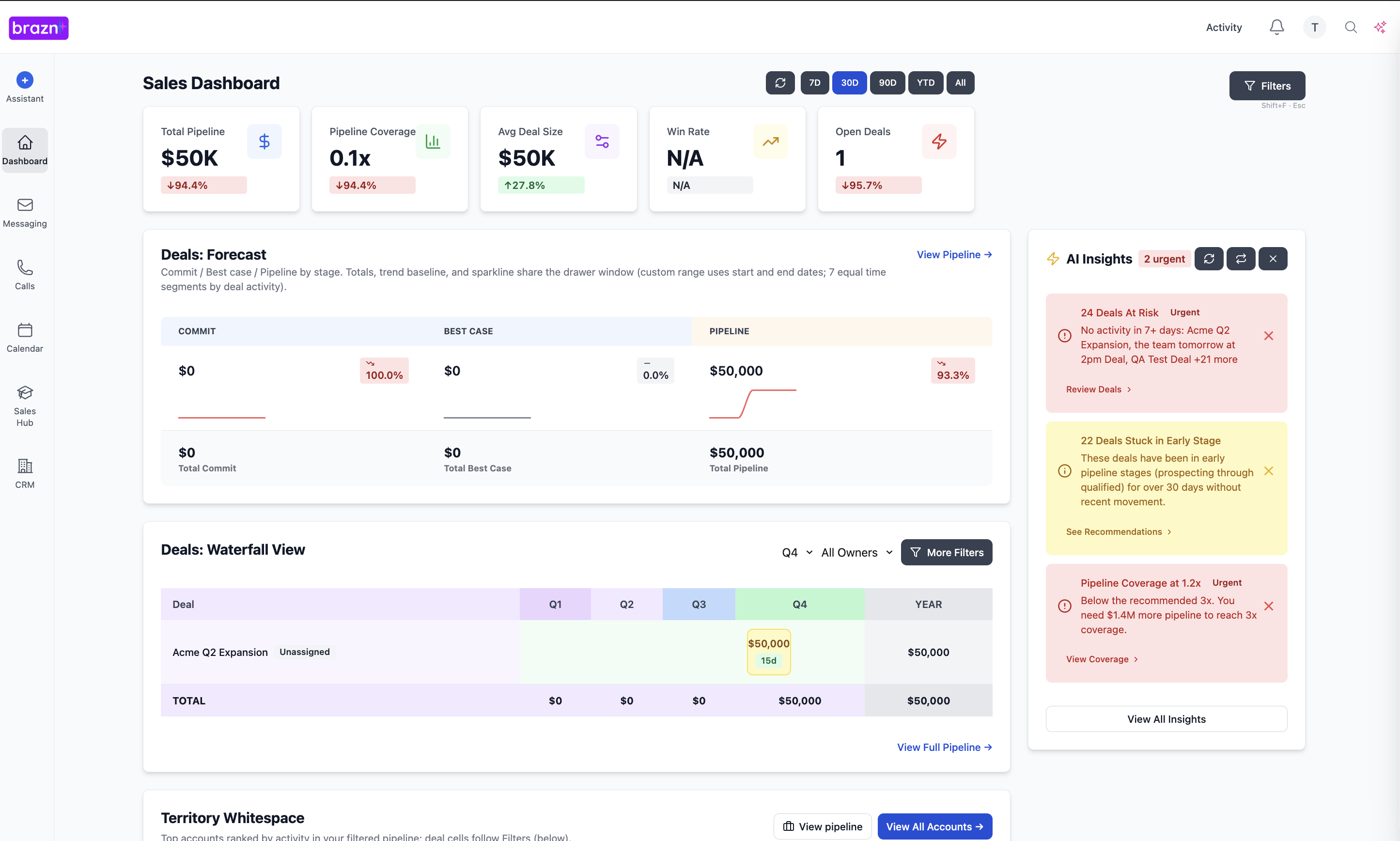
Brazn’s pre-demo brief provides the specific preparation that makes a personalised demo possible — pain synthesis from discovery, stakeholder profiles, MEDDPICC gaps to address, and suggested questions to weave into the demo narrative. Post-demo, Brazn’s call analysis captures stakeholder reactions and advancing signals that the rep uses to tailor the follow-up and plan the next engagement.
---
####
Book a demo to see how Brazn AI fits into your sales stack.

About the Author
Alex Margarit, Sales AI Expert, SaaS Sales Leader, BMC, ServiceNow, Docusign — 25+ years in SaaS sales.