
How to Lose Deals and Alienate Buyers: The Anatomy of a Bad SaaS Pitch
We've all been on the receiving end of a terrible sales pitch. The rep talks for 40 minutes about their company's history, clicks through a dizzying array of features, and ends by asking for your budget before understanding your problem. The problem? despite knowing what a bad pitch looks like, many SaaS teams still inadvertently deliver them every day.
This article dissects the anatomy of a bad SaaS pitch. We will identify the common traps that alienate modern buyers and show you how to use AI and call intelligence to eradicate these behaviors from your team.
What We'll Cover
In this article, we will cover:
- The 3 cardinal sins of the modern SaaS pitch
- Why "feature dumping" destroys deal momentum
- The impact of poor discovery on the final proposal
- How to use conversational AI to identify bad pitches
- Re-training your team to deliver buyer-centric presentations
Understanding the Approach
A "bad pitch" is any sales presentation that's vendor-centric rather than buyer-centric, focusing on the product's capabilities rather than the prospect's specific business outcomes. Analyzing bad pitches fits into the GTM motion by providing a clear "what not to do" baseline, allowing enablement teams to target specific behavioral flaws that are depressing win rates.
Example: A rep spends the first 15 minutes of a demo showing the "admin dashboard" because it's a new feature, even though the prospect explicitly stated their main problem was end-user adoption. The prospect tunes out, and the deal stalls.
Why This Matters
Eradicating bad pitches is the fastest way to improve your overall win rate.
- Before: Win rates are low, and deals frequently end in "no decision." After: Win rates increase because presentations are highly relevant and compelling.
- Before: Buyers feel misunderstood and frustrated after a demo. After: Buyers feel heard and view the rep as a trusted advisor.
- Before: Managers only find out about a bad pitch when the deal is lost. After: Managers use AI to spot bad pitch habits early and correct them before they impact the pipeline.
The Complete Guide
H3 Sin 1: The "Harbor Tour" Demo
Objective: Stop showing features the buyer doesn't care about.
Actionable Advice: Never show a feature without first explicitly tying it back to a pain point the buyer mentioned in discovery. If they didn't mention the pain, don't show the feature.
Best Practices: Use the "Tell-Show-Tell" method: Tell them what you're going to show and why it matters to them, show the specific feature, then tell them how it solves their problem.
H3 Sin 2: The Premature Pitch
Objective: Ensure you have earned the right to present a solution.
Actionable Advice: If you can't articulate the prospect's current state, negative consequences, and desired future state, you aren't ready to pitch. Go back to discovery.
Best Practices: Start every pitch by summarizing your understanding of their problem and asking, "Did I get that right?" before opening your slide deck.
H3 Sin 3: The Interrogation Discovery
Objective: Make discovery a conversation, not a checklist.
Actionable Advice: Avoid rapid-fire "BANT" questions (Budget, Authority, Need, Timeline) in the first 10 minutes. Instead, ask open-ended questions about their strategic goals and listen actively.
Best Practices: Use conversational AI to track your "talk-to-listen" ratio. If you're speaking more than 50% of the time during discovery, you're interrogating, not exploring.
How to Implement This
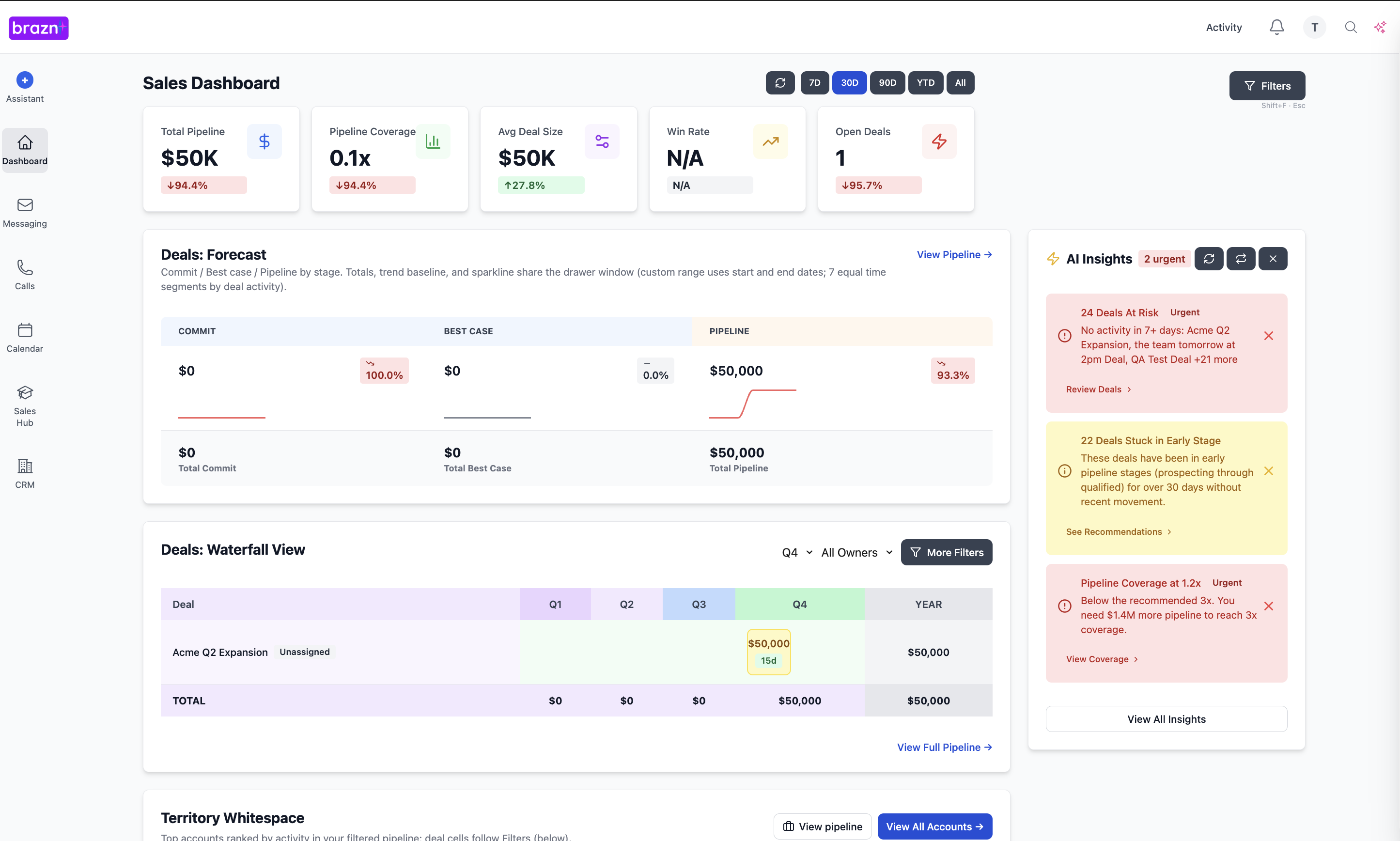
Enablement must lead the charge in fixing bad pitches. Use call recording software (like Brazn) to create a "Hall of Shame" (anonymized, of course) highlighting common mistakes, and a "Hall of Fame" showcasing excellent, buyer-centric pitches. Managers must review demo recordings weekly and coach specifically on the "Tell-Show-Tell" execution.
Next Steps
A great product can't overcome a terrible pitch. By ruthlessly identifying and eliminating vendor-centric behaviors, you ensure that your team's presentations actually drive deals forward rather than pushing buyers away.
Start small: Review your own most recent demo recording. Did you spend more time talking about your product's features or the buyer's outcomes? Ready to analyze your team's pitches? Explore Brazn's call intelligence.
####
Book a demo to see how Brazn AI fits into your sales stack.

About the Author
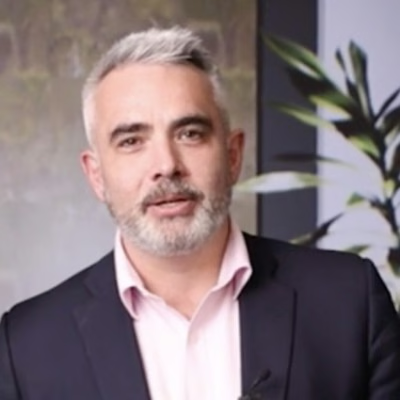
Alex Margarit, Sales AI Expert, SaaS Sales Leader, BMC, ServiceNow, Docusign — 25+ years in SaaS sales.