

Content: # Forecast Bands, Confidence Intervals, and Honest Conversations
The traditional sales forecast is often a single, rigid number that forces a false sense of certainty. This binary approach—either we hit the number or we don't—creates a culture of fear and encourages reps to hide risks until the last possible moment.
The reality of B2B sales is inherently probabilistic. Deals have varying degrees of certainty, and forcing a single number ignores the nuance of a complex pipeline.
This article explores the shift towards forecast bands and confidence intervals. By embracing a range of outcomes, revenue teams can foster more honest conversations about risk and make better strategic decisions.
What We'll Cover
In this article, we will cover:
- The flaw of the single-number forecast
- Understanding forecast bands (Best Case, Commit, Most Likely)
- How to calculate confidence intervals in sales
- Fostering a culture of honest risk assessment
- Using ranges to drive better business decisions
Understanding the Approach
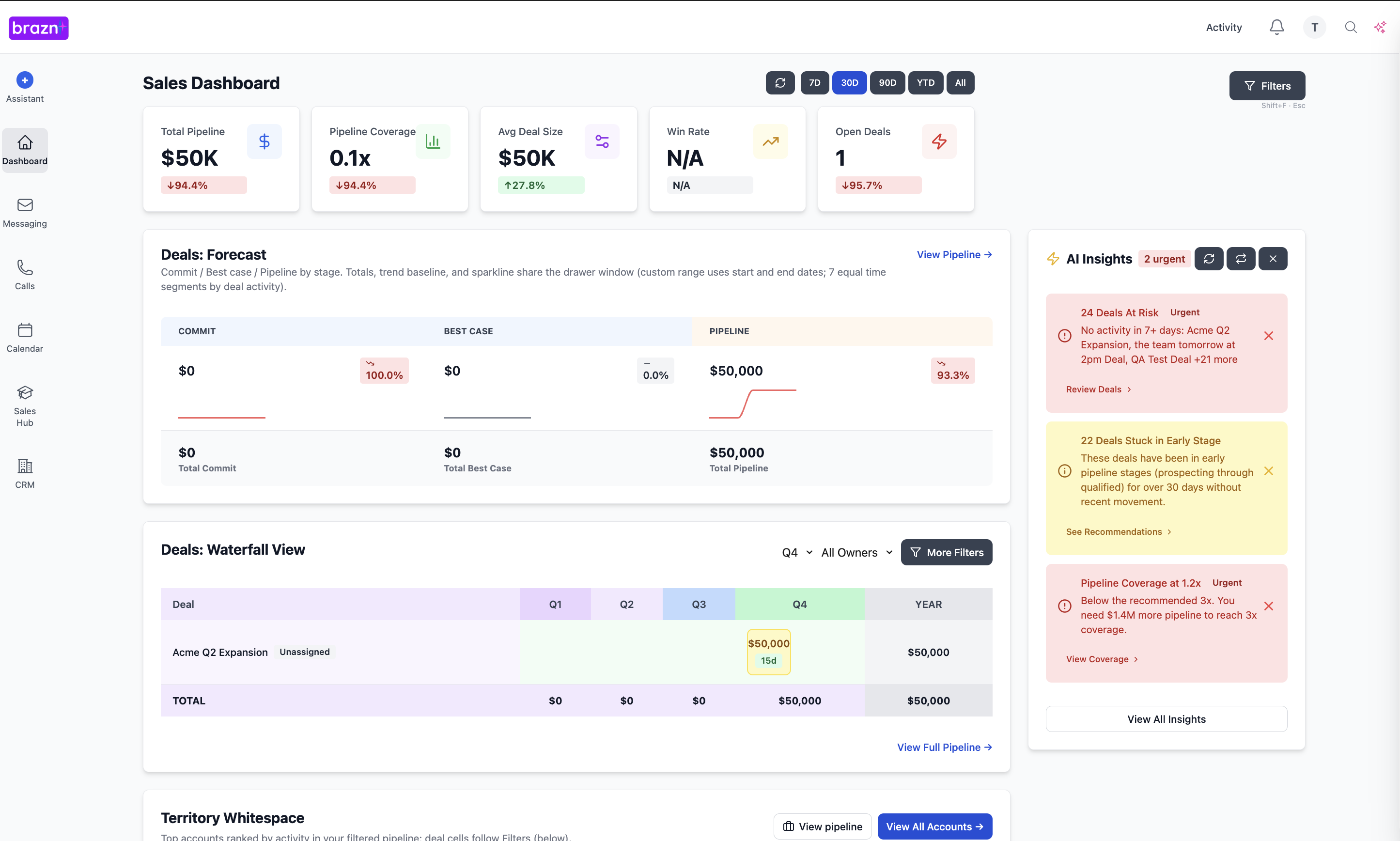
Forecast bands involve predicting a range of potential revenue outcomes rather than a single point. This approach acknowledges uncertainty and provides a more realistic view of the business.
Example: Instead of forecasting exactly $1.2M, a manager forecasts a range between $1.0M (Commit) and $1.4M (Best Case), with a 'Most Likely' target of $1.15M. This allows the executive team to plan for different scenarios rather than relying on a fragile, single-point prediction.
Why This Matters
Embracing forecast ranges reduces anxiety and improves the quality of strategic planning.
- Before: Reps are terrified to commit deals they aren't 100% sure about, leading to sandbagging. After: Reps confidently forecast ranges, providing better visibility into upside potential.
- Before: Leadership makes rigid hiring decisions based on a single, often inaccurate number. After: Leadership plans flexibly based on a realistic range of outcomes.
- Before: Forecast meetings are defensive interrogations. After: Meetings are collaborative discussions about how to move deals toward the higher end of the band.
The Complete Guide
Tactic 1: Define Your Bands Clearly
Objective: Ensure everyone speaks the same forecasting language.
Actionable Advice: Clearly define what 'Commit,' 'Most Likely,' and 'Best Case' mean in your organization. Tie these definitions to specific, objective CRM stages or qualification criteria, not just rep confidence.
Best Practices: 'Commit' should mean a 90%+ probability of closing, while 'Best Case' might be 60%+.
Tactic 2: Track Historical Variance
Objective: Understand your team's forecasting accuracy over time.
Actionable Advice: Analyze past quarters to see how often the final revenue landed within the forecasted bands. Use this data to adjust your confidence intervals for future quarters.
Best Practices: If you consistently land below your 'Commit' number, your qualification criteria are too loose.
Tactic 3: Focus on the 'Delta'
Objective: Identify what needs to happen to hit the higher end of the range.
Actionable Advice: During pipeline reviews, focus the conversation on the specific actions required to move a deal from the 'Most Likely' band to the 'Best Case' band.
Best Practices: Ask reps, 'What is the one thing preventing this deal from being a Commit?' and build a strategy around that.
How to Implement This
RevOps must configure the CRM to support range-based forecasting, allowing reps to easily input their Best Case and Commit numbers. Sales Leadership must change the tone of the forecast meeting, rewarding honesty about risk rather than punishing it. If a rep flags a deal as 'at risk' early in the quarter, they should be supported with resources, not reprimanded.
Next Steps
Certainty in sales is an illusion. By embracing forecast bands, you trade the illusion of certainty for the reality of preparedness.
Start your next forecast meeting by asking for ranges instead of single numbers. You'll immediately notice a shift toward more honest, productive conversations. Ready to implement advanced forecasting models? Explore how Brazn's platform supports confidence intervals and scenario planning.
Forecast Bands, Confidence Intervals, and Honest Conversations
The traditional sales forecast is often a single, rigid number that forces a false sense of certainty. This binary approach—either we hit the number or we don't—creates a culture of fear and encourages reps to hide risks until the last possible moment.
The reality of B2B sales is inherently probabilistic. Deals have varying degrees of certainty, and forcing a single number ignores the nuance of a complex pipeline.
This article explores the shift towards forecast bands and confidence intervals. By embracing a range of outcomes, revenue teams can foster more honest conversations about risk and make better strategic decisions.
What We'll Cover
In this article, we will cover:
- The flaw of the single-number forecast
- Understanding forecast bands (Best Case, Commit, Most Likely)
- How to calculate confidence intervals in sales
- Fostering a culture of honest risk assessment
- Using ranges to drive better business decisions
Understanding the Approach
Forecast bands involve predicting a range of potential revenue outcomes rather than a single point. This approach acknowledges uncertainty and provides a more realistic view of the business.
Example: Instead of forecasting exactly $1.2M, a manager forecasts a range between $1.0M (Commit) and $1.4M (Best Case), with a 'Most Likely' target of $1.15M. This allows the executive team to plan for different scenarios rather than relying on a fragile, single-point prediction.
Why This Matters
Embracing forecast ranges reduces anxiety and improves the quality of strategic planning.
- Before: Reps are terrified to commit deals they aren't 100% sure about, leading to sandbagging. After: Reps confidently forecast ranges, providing better visibility into upside potential.
- Before: Leadership makes rigid hiring decisions based on a single, often inaccurate number. After: Leadership plans flexibly based on a realistic range of outcomes.
- Before: Forecast meetings are defensive interrogations. After: Meetings are collaborative discussions about how to move deals toward the higher end of the band.
The Complete Guide
Tactic 1: Define Your Bands Clearly
Objective: Ensure everyone speaks the same forecasting language.
Actionable Advice: Clearly define what 'Commit,' 'Most Likely,' and 'Best Case' mean in your organization. Tie these definitions to specific, objective CRM stages or qualification criteria, not just rep confidence.
Best Practices: 'Commit' should mean a 90%+ probability of closing, while 'Best Case' might be 60%+.
Tactic 2: Track Historical Variance
Objective: Understand your team's forecasting accuracy over time.
Actionable Advice: Analyze past quarters to see how often the final revenue landed within the forecasted bands. Use this data to adjust your confidence intervals for future quarters.
Best Practices: If you consistently land below your 'Commit' number, your qualification criteria are too loose.
Tactic 3: Focus on the 'Delta'
Objective: Identify what needs to happen to hit the higher end of the range.
Actionable Advice: During pipeline reviews, focus the conversation on the specific actions required to move a deal from the 'Most Likely' band to the 'Best Case' band.
Best Practices: Ask reps, 'What is the one thing preventing this deal from being a Commit?' and build a strategy around that.
How to Implement This
Revops must configure the CRM to support range-based forecasting, allowing reps to easily input their Best Case and Commit numbers. Sales Leadership must change the tone of the forecast meeting, rewarding honesty about risk rather than punishing it. If a rep flags a deal as 'at risk' early in the quarter, they should be supported with resources, not reprimanded.Next Steps
Certainty in sales is an illusion. By embracing forecast bands, you trade the illusion of certainty for the reality of preparedness.
Start your next forecast meeting by asking for ranges instead of single numbers. You'll immediately notice a shift toward more honest, productive conversations. Ready to implement advanced forecasting models? Explore how Brazn's platform supports confidence intervals and scenario planning.
---
####
Book a demo to see how Brazn AI fits into your sales stack.

About the Author
Alex Margarit, Sales AI Expert, SaaS Sales Leader, BMC, ServiceNow, Docusign — 25+ years in SaaS sales.