

The Next Productivity Frontier in Manufacturing: Commercial Ops That Actually Move Pipeline
In the manufacturing sector, operational efficiency on the factory floor is often optimized to the microsecond. Yet, when you look at the commercial side—sales, marketing, and revenue operations—processes are frequently bogged down by manual data entry, disconnected systems, and opaque pipelines. This disconnect creates a massive drag on growth, where incredible products fail to reach the market efficiently because the commercial engine is sputtering.
This gap between production efficiency and commercial inefficiency is the next great productivity frontier. By applying the same rigor and systems thinking used in manufacturing to your Go-to-Market (GTM) motions, you can unlock significant revenue potential. This article will show you how to transform your Commercial Ops from an administrative burden into a strategic lever that actively moves pipeline and drives growth.
What We'll Cover
In this article, we will cover:
- The definition and role of Commercial Ops in modern manufacturing
- Why bridging the gap between production and sales is critical for revenue growth
- 5 actionable strategies to optimize your Commercial Ops for pipeline velocity
- How to integrate these strategies into your existing tech stack and workflows
Understanding the Approach
Commercial Operations (Commercial Ops) in manufacturing refers to the alignment and optimization of all processes, data, and technology that support the sales and marketing functions. In the broader context of RevOps, it's about breaking down the silos between front-office activities and back-office realities to create a seamless flow of information.
For example, instead of a sales rep manually checking inventory levels across three different spreadsheets before quoting a lead time to a prospect, a robust Commercial Ops system integrates ERP data directly into the CRM. This allows the rep to provide accurate, real-time quotes instantly, accelerating the sales cycle and improving the buyer experience.
Why This Matters
Optimizing Commercial Ops is essential because it directly impacts speed-to-lead, sales rep productivity, and overall win rates. When your commercial engine runs as smoothly as your production line, you can capture market demand more effectively.
- Before: Sales reps spend 40% of their week hunting for product specs and pricing approvals. After: Automated workflows surface the right information within the CRM, giving reps back hours of selling time.
- Before: Pipeline visibility is murky, relying on subjective rep updates and manual forecasting. After: Data-driven dashboards provide real-time, objective insights into deal health and revenue projections.
- Before: Handoffs between marketing, sales, and fulfillment are clunky and error-prone. After: A unified data model ensures everyone operates from a single source of truth, reducing friction and customer churn.
The Complete Guide
Strategy 1: Unify ERP and CRM Data
Objective: Eliminate data silos so sales reps have real-time access to inventory, pricing, and production timelines.
Advice: Implement an integration layer (like Workato or MuleSoft) that syncs critical ERP data directly into Salesforce or HubSpot.
Best Practices: Start with read-only access for reps to prevent accidental data corruption in the ERP.
Strategy 2: Automate Configure, Price, Quote (CPQ)
Objective: Speed up the quoting process for complex manufactured goods while ensuring margin protection.
Advice: Deploy a CPQ tool that enforces pricing rules and automatically generates professional proposals based on rep inputs.
Best Practices: Regularly review and update pricing logic to reflect current material costs and market conditions.
Strategy 3: Implement Signal-Based Lead Routing
Objective: Ensure high-value inquiries are instantly routed to the most qualified rep.
Advice: Use intent data and website behavior to score leads, and set up automated routing rules in your CRM to bypass manual triage.
Best Practices: Define clear SLAs for follow-up times on high-priority leads to maximize conversion.
Strategy 4: Digitize the Order Handoff
Objective: Reduce errors and delays when a closed-won deal transitions to production.
Advice: Create an automated workflow that triggers a standardized order brief to the fulfillment team the moment a contract is signed.
Best Practices: Include all necessary technical specs and customer requirements in the initial brief to avoid back-and-forth emails.
Strategy 5: Build a Commercial Health Dashboard
Objective: Give leadership real-time visibility into pipeline velocity and conversion bottlenecks.
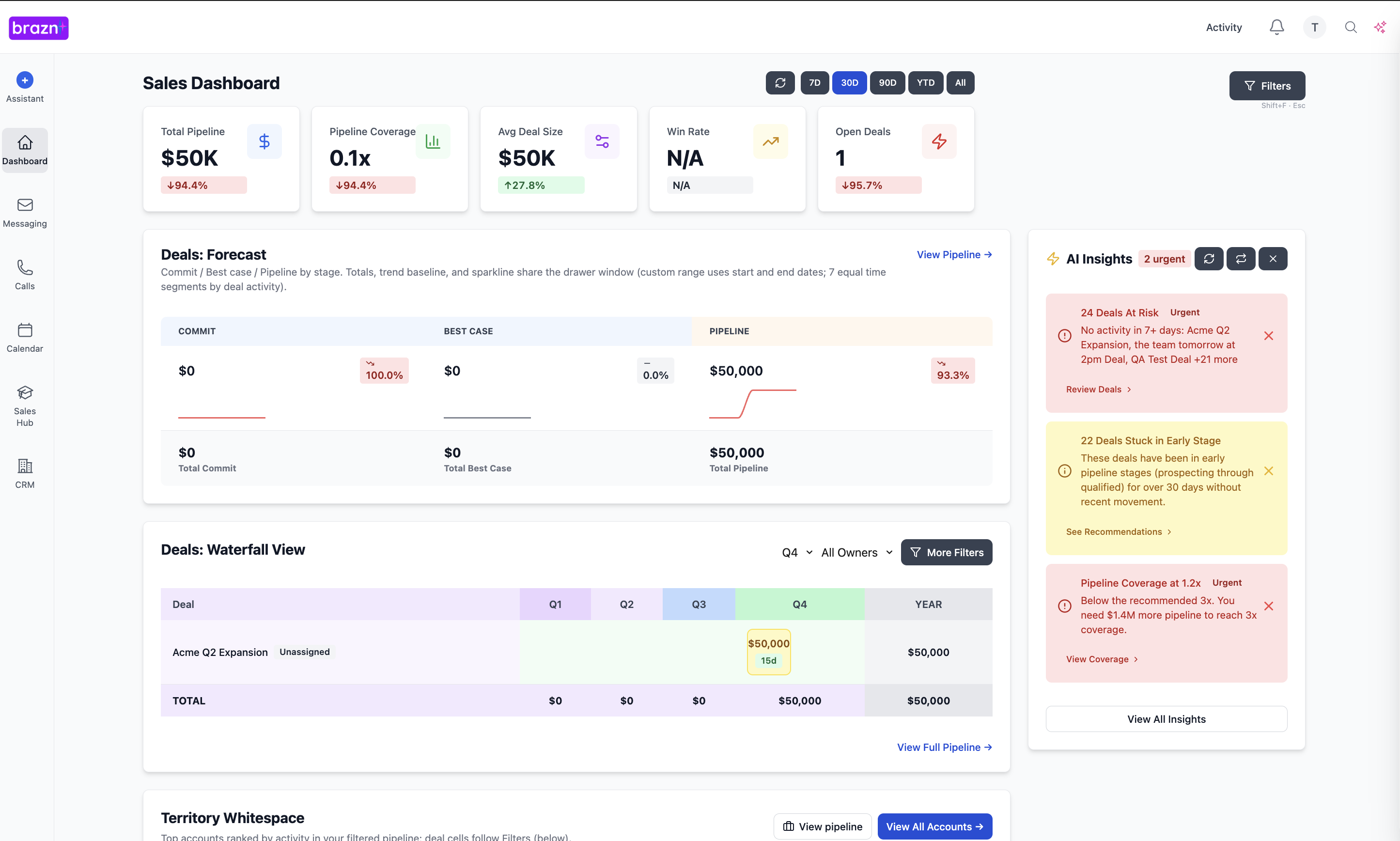
Advice: Create a centralized dashboard that tracks metrics like quote-to-close ratio, average sales cycle length, and rep activity levels.
Best Practices: Keep the dashboard focused on leading indicators (pipeline generated) rather than just lagging indicators (revenue closed).
How to Implement This
Operationalizing these Commercial Ops strategies requires a phased approach and clear ownership. RevOps should lead the technical integration, mapping out the data flow between your ERP, CRM, and marketing platforms. They are responsible for building the automated workflows and ensuring data hygiene.
Sales leadership must drive adoption by training reps on the new tools and enforcing the updated processes (like using the CPQ system instead of manual spreadsheets). Enablement should provide ongoing support and create playbooks that show reps how these new systems will help them close deals faster. By treating Commercial Ops as a cross-functional initiative, you ensure that the technology actually translates into behavioral change.
Next Steps
The modernization of Commercial Ops is no longer optional for manufacturing companies looking to scale; it's a competitive necessity. By applying systems thinking to your sales and marketing processes, you can eliminate friction, empower your reps, and accelerate your pipeline.
Don't try to boil the ocean. Start by identifying the single biggest bottleneck in your commercial process—perhaps it's manual quoting or disconnected inventory data—and focus on solving that one issue this week. Small, targeted improvements in your operational efficiency will compound quickly into significant revenue gains. Take the first step today by mapping out your current quote-to-cash process and highlighting the areas of highest friction.
Book a demo to see how Brazn AI fits into your sales stack.

About the Author

Alex Margarit, Sales AI Expert, SaaS Sales Leader, BMC, ServiceNow, Docusign — 25+ years in SaaS sales.