
Content: # How B2B SaaS Teams Compete with Giants: A RevOps Playbook for Ecommerce-Style Buying Journeys
Modern B2B buyers now expect the same frictionless, self-service experience they receive from consumer e-commerce platforms. For SaaS teams competing with enterprise giants, the advantage lies in agility and the ability to provide a personalized, transparent, and immediate buying journey. This shift requires RevOps to move beyond back-office administration and become the architect of a unified Go-to-Market (GTM) engine that prioritizes the buyer's experience at every touchpoint.
This article provides a RevOps playbook for building an e-commerce-style buying journey:
- Why the traditional sales-led funnel is being replaced by buyer-led journeys
- 5 RevOps strategies to eliminate friction in the B2B purchase process
- How to implement transparent pricing and self-service onboarding
- The role of unified data in creating a personalized "Amazon-like" experience
- Measuring success through product-led growth (PLG) metrics and velocity
Understanding the Approach
A B2B "e-commerce-style journey" is a GTM motion where the product serves as the primary driver of acquisition, conversion, and expansion. By leveraging automation and integrated systems, RevOps ensures that prospects can research, trial, and purchase software with minimal human intervention, while sales teams are reserved for high-value, strategic interactions.
Operationalizing this model allows lean SaaS teams to outmaneuver larger competitors by significantly reducing customer acquisition costs (CAC) and accelerating time-to-value (TTV).
- Before: Prospects must "Request a Quote" and wait 48 hours for a discovery call to see the product. After: Users sign up for a free trial instantly and reach their "aha" moment within minutes through guided onboarding.
- Before: Pricing is hidden, leading to trust gaps and stalled negotiations. After: Transparent, tiered pricing allows buyers to self-select the right plan and upgrade as their usage grows.
- Before: Data is siloed, resulting in fragmented communication and repetitive questions. After: A unified data layer provides a single view of the customer, allowing for personalized outreach based on real-time product engagement signals.
The Complete Guide
RevOps Playbook 1: Implement Transparent Pricing
Objective: Remove the "Contact Sales" gate for standard tiers to build immediate trust and allow for instant checkout.
RevOps Playbook 2: Build Automated Onboarding
Objective: Use in-app walkthroughs and tooltips to guide users toward core features without requiring manual training sessions.
RevOps Playbook 3: Enable Self-Service Upgrades
Objective: Configure your billing system (e.g., Stripe) to allow users to add seats or features directly within the product UI.
RevOps Playbook 4: Centralize Product Usage Data
Objective: Sync product engagement triggers into the CRM so your team knows exactly when a "Product Qualified Lead" is ready for a conversation.
RevOps Playbook 5: Deploy Cohesive Deal Rooms
Objective: Provide a single, personalized link where stakeholders can access demos, security docs, and contracts in one place.
How to Implement This
Scaling an e-commerce-style journey requires a fundamental shift in how RevOps manages the tech stack. Instead of managing a collection of disconnected tools, RevOps must build a synchronized ecosystem where marketing, sales, and product data flow seamlessly.
Start by identifying the biggest point of friction in your current funnel—whether it's the sign-up process or the complexity of your pricing—and automate that single step this month.
Next Steps
Pick the one friction point where you’re currently losing the most momentum (pricing clarity, onboarding speed, or routing), and redesign that step as a self-serve workflow first, with sales as the escalation path.
How B2B SaaS Teams Compete with Giants: A RevOps Playbook for Ecommerce-Style Buying Journeys
Modern B2B buyers now expect the same frictionless, self-serve experience they receive from consumer ecommerce. For SaaS teams competing with enterprise giants, the advantage lies in agility: deliver a faster, more transparent buying journey that gets buyers to value immediately.
This shift requires RevOps to move beyond back-office administration and become the architect of a unified GTM engine that prioritizes the buyer’s experience at every touchpoint.
What We'll Cover
In this article, we will cover:
- Why the traditional sales-led funnel is being replaced by buyer-led journeys
- 5 RevOps playbooks to eliminate friction in the B2B purchase process
- How to implement transparent pricing and self-serve onboarding
- The role of unified data in creating an “Amazon-like” experience
- Measuring success through Product led growth (PLG) metrics and velocity
Understanding the Approach
A B2B “ecommerce-style journey” is a GTM motion where the product serves as the primary driver of acquisition, conversion, and expansion. Prospects can research, trial, and purchase software with minimal human intervention, while sales teams engage only when the situation is high-value or complex.
Operationalizing this model allows lean teams to reduce CAC and accelerate time to value:
- Before: Prospects must “Request a quote” and wait 48 hours for a call. After: Users start a trial instantly and reach an “aha” moment within minutes.
- Before: Pricing is hidden, leading to trust gaps. After: Transparent tiering lets buyers self-select and upgrade as usage grows.
- Before: Data is siloed, leading to fragmented communication. After: A unified data layer creates a single view of the customer and enables personalized journeys based on product signals.
The Complete Guide
Playbook 1: Implement transparent pricing
Objective: Remove the “Contact Sales” gate for standard tiers to build trust and enable faster checkout.
Playbook 2: Build automated onboarding
Objective: Use in-app walkthroughs and guided onboarding to reduce time to value without requiring human training.
Playbook 3: Enable self-serve upgrades
Objective: Configure billing so users can add seats/features directly in-product.
Playbook 4: Centralize product usage data
Objective: Sync product signals into the CRM so Sales can engage at the right moment (PQLs).
Playbook 5: Deploy cohesive deal rooms
Objective: Provide one link where stakeholders access demos, security docs, pricing, and contracts.
How to Implement This
Start by identifying the single biggest point of friction in your funnel—pricing clarity, onboarding speed, or routing—and redesign that step as self-serve first, with Sales as the escalation path. Then expand one playbook at a time, ensuring your data layer stays consistent across marketing, sales, and product.
Next Steps
Pick one friction point where you’re currently losing the most momentum and automate it this month. Measure impact through activation rate, conversion velocity, and expansion rate.
---
####
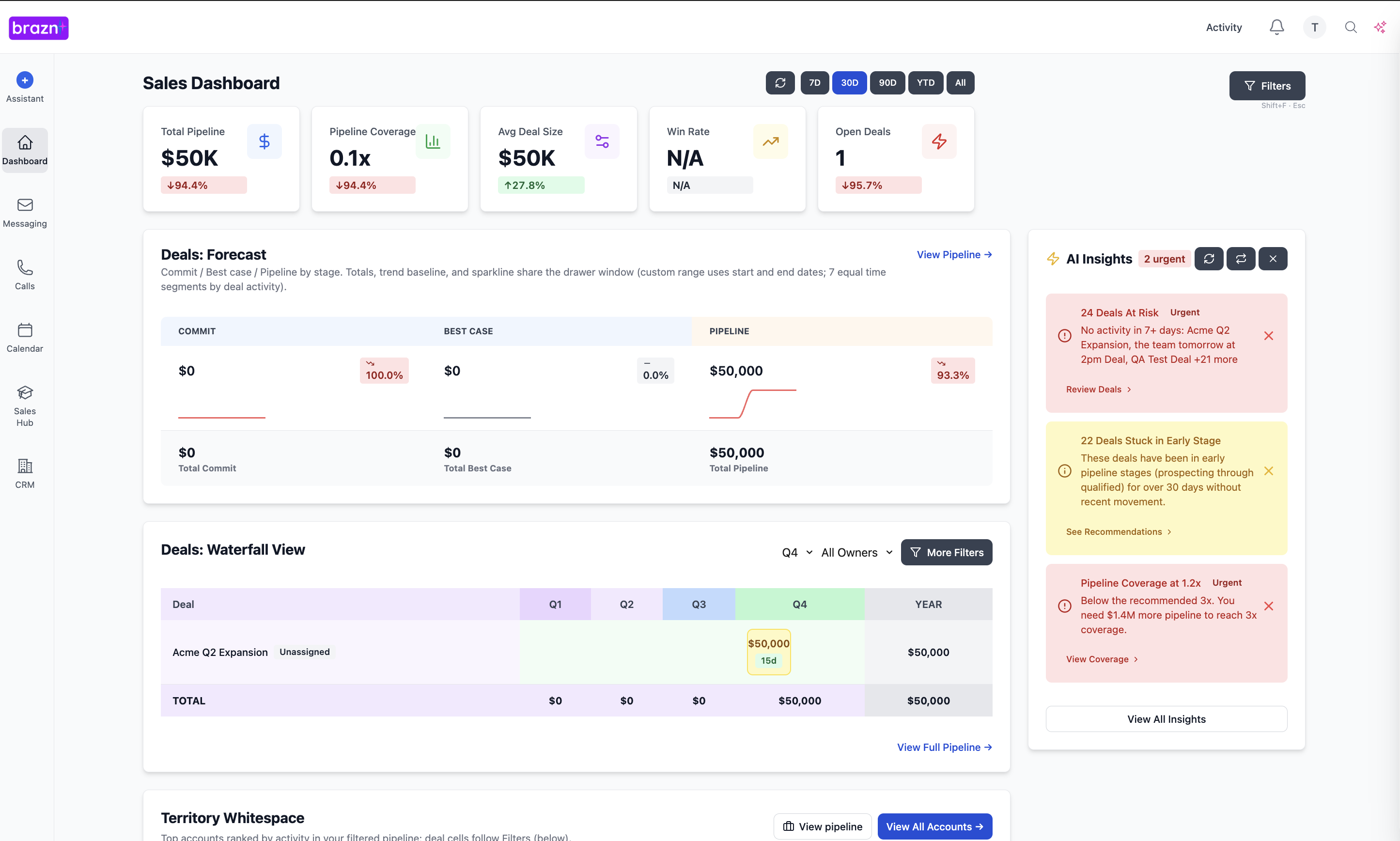
Book a demo to see how Brazn AI fits into your sales stack.

About the Author

Alex Margarit, Sales AI Expert, SaaS Sales Leader, BMC, ServiceNow, Docusign — 25+ years in SaaS sales.