
The CRO Operating System: Plan, Execute, Coach, Forecast
The role of the Chief Revenue Officer has evolved from being the "best salesperson in the room" to being the architect of a complex, data-driven revenue engine. Yet, many CROs still operate reactively, managing by intuition and spending their days fighting fires rather than building scalable systems.
The problem? without a structured operating system, the revenue organization becomes chaotic. Initiatives are launched and forgotten, coaching is sporadic, and forecasts are little more than educated guesses.
This article outlines the "CRO Operating System"—a rigorous, four-part framework (Plan, Execute, Coach, Forecast) that top revenue leaders use to drive predictable growth. We will break down the specific cadences and disciplines required to run a modern GTM organization.
What We'll Cover
In this article, we will cover:
- Why reactive management destroys revenue predictability
- The 4 pillars of the CRO Operating System
- Designing a strategic GTM plan that actually gets executed
- Building a culture of rigorous, data-driven coaching
- Moving from "interrogating the forecast" to managing the pipeline
Understanding the Approach
The "CRO Operating System" is the defined set of cadences, metrics, and behaviors that govern how the revenue team operates on a daily, weekly, and quarterly basis. In a GTM context, it's the "playbook for the playbook"—the overarching structure that ensures all other strategies (like outbound sequencing or MEDDPICC) are actually implemented and measured.
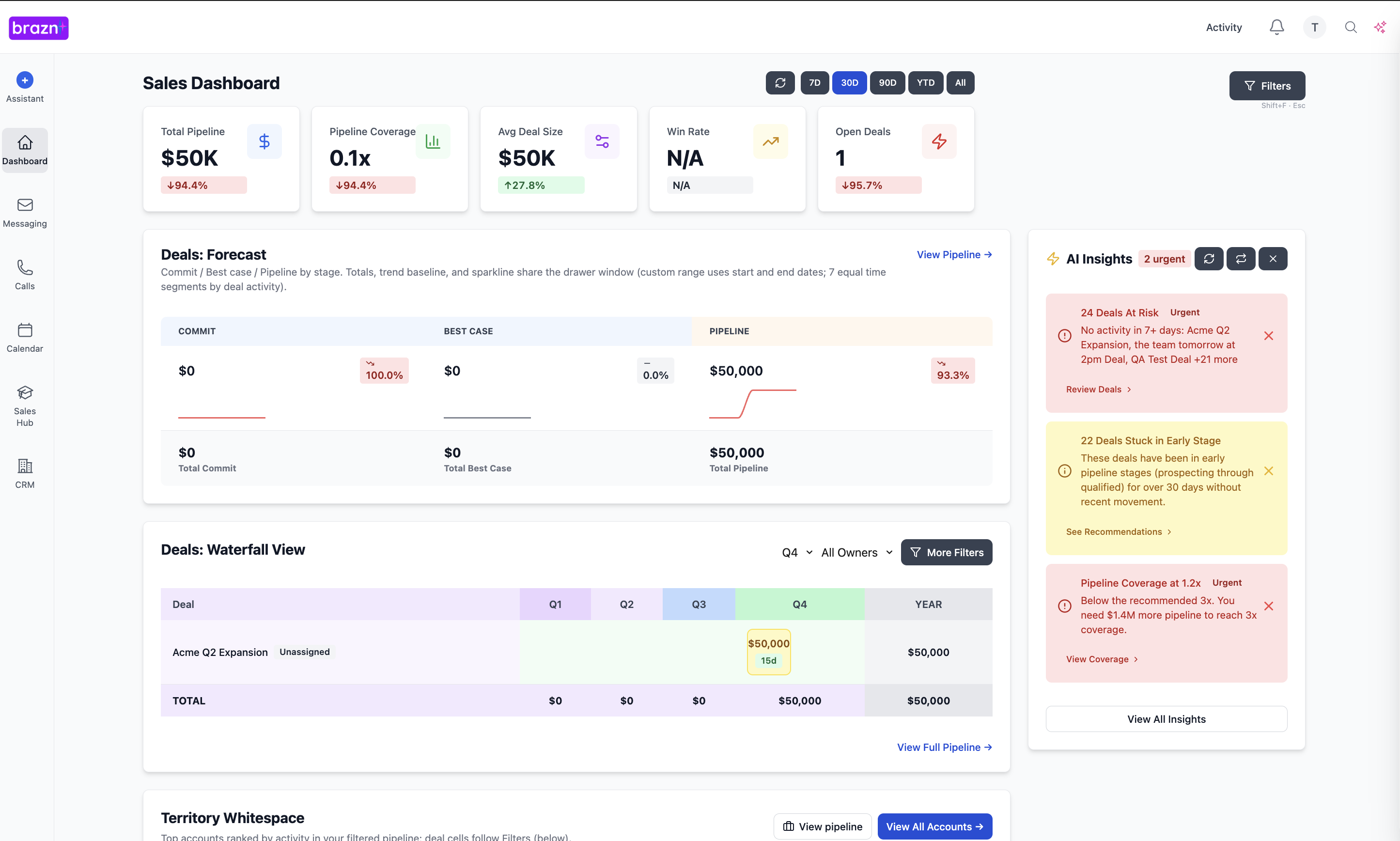
Example: Instead of a manager randomly deciding to do a pipeline review when numbers look low, the Operating System dictates that every Monday at 9 AM, managers conduct a 45-minute review focusing exclusively on deals in the "Commit" stage, using a standardized RevOps dashboard.
Why This Matters
Implementing a formal operating system is the difference between a team that occasionally hits its number through heroic effort and a team that consistently hits its number through predictable execution.
- Before: The CRO spends their time reacting to lost deals and demanding more activity from the team. After: The CRO spends their time analyzing systemic bottlenecks and optimizing the revenue engine.
- Before: Managers coach based on "gut feel" and personal experience. After: Managers coach based on objective data and standardized methodologies.
- Before: Forecasting is a stressful, end-of-quarter guessing game. After: Forecasting is a continuous, data-backed process with high accuracy.
The Complete Guide
1. Pillar 1: Plan (The Strategic Foundation)
Objective: Define the target and the resources required to hit it.
Actionable Advice: Planning isn't just setting a quota; it's defining the path. The CRO must work with RevOps to build a capacity model: How many AEs do we need? What is the required quota attainment? How much pipeline must marketing generate?
Best Practices: The plan must be finalized and communicated to the team before the start of the fiscal year, not in week three of Q1.
2. Pillar 2: Execute (The Daily Motion)
Objective: Ensure the team is doing the right activities, consistently.
Actionable Advice: Define the standard operating procedures for the team. What is the SLA for responding to an inbound lead? What is the mandatory outbound activity volume? RevOps must build the CRM workflows to make executing these tasks as frictionless as possible.
Best Practices: Use AI tools to automate the administrative execution (like CRM logging) so reps can focus on selling.
3. Pillar 3: Coach (The Multiplier Effect)
Objective: Systematically improve the skill level of the team.
Actionable Advice: Mandate that front-line managers spend at least 40% of their time on coaching, not just pipeline review. Implement a structured coaching cadence: a weekly 1:1 focused on skill development, and a bi-weekly call review using conversation intelligence software.
Best Practices: Coach the "middle 60%" of your reps. Moving an average rep to above-average yields the highest ROI for the organization.
4. Pillar 4: Forecast (The Reality Check)
Objective: Predict the future with accuracy and confidence.
Actionable Advice: Move away from "gut feel" forecasting. Implement a rigorous, weekly forecast cadence based on objective criteria (e.g., "A deal can only be in Commit if it has a documented Mutual Action Plan").
Best Practices: The CRO should focus the forecast meeting on identifying risks and assigning resources to unstick deals, not just tallying up the numbers.
5. The Operating Rhythm
Objective: Tie the four pillars together into a predictable cadence.
Actionable Advice: Document your operating rhythm. (e.g., Monday: Pipeline Review. Tuesday: 1:1 Coaching. Thursday: Executive Forecast Sync). Stick to this schedule religiously. Consistency is the key to a functional operating system.
Best Practices: Publish the operating rhythm to the entire team so everyone knows what is expected and when.
How to Implement This
The CRO is the owner of the Operating System, but RevOps is the architect and the enforcer. RevOps builds the dashboards that fuel the pipeline reviews, configures the tools that enable execution, and provides the data that makes coaching objective.
Front-line managers are the critical point of failure. If they don't adhere to the coaching and forecasting cadences, the entire system collapses. The CRO must manage the managers, ensuring they're executing the system.
Next Steps
You can't scale a revenue organization on charisma and hustle alone. By implementing a rigorous CRO Operating System, you build a predictable, resilient machine that drives growth regardless of market conditions.
Audit your current operating rhythm this week. Are your managers actually coaching, or just interrogating the pipeline? Formalize your weekly forecast cadence. Ready to power your operating system with better data? See how Brazn supports modern revenue leaders.
Book a demo to see how Brazn AI fits into your sales stack.

About the Author
Alex Margarit, Sales AI Expert, SaaS Sales Leader, BMC, ServiceNow, Docusign — 25+ years in SaaS sales.