

The 2026–2027 GTM Risk Register Every CRO Needs
The role of the Chief Revenue Officer has evolved from a pure growth mandate to one of risk management. In a volatile market, unexpected shocks—competitor pivots, shifting buyer budgets, or sudden churn spikes—can derail an entire quarter. The problem? most revenue teams operate reactively. They only identify risks when a deal slips or a customer cancels, at which point it's often too late to recover the revenue.
To ensure predictable growth, CROs must shift from reactive firefighting to proactive risk mitigation. This requires implementing a 'GTM Risk Register'—a formalized system for identifying, assessing, and addressing potential threats to the pipeline before they materialize. This article provides a framework for building a comprehensive risk register tailored for the 2026-2027 B2B landscape.
What We'll Cover
In this article, we will cover:
- Why reactive revenue management is failing modern CROs
- Defining the 'GTM Risk Register'
- The 4 core categories of revenue risk in 2026-2027
- How to build and maintain your risk register
- Integrating risk assessment into weekly pipeline reviews
Understanding the Approach
A 'GTM Risk Register' is a structured document or dashboard that catalogs potential threats to revenue targets, assessing their likelihood, potential impact, and the specific mitigation strategies in place. In a Go-To-Market context, it elevates risk management from anecdotal rep feedback to a quantified, board-level discipline.
Example: Instead of an AE casually mentioning that a competitor is discounting heavily, the Risk Register formally logs 'Aggressive Competitor X Pricing' as a high-probability, high-impact risk. It then assigns a specific mitigation owner (Product Marketing) and an action plan (deploying a new ROI calculator to defend value).
Why This Matters
Implementing a GTM Risk Register is essential for maintaining forecast accuracy and building resilience against market volatility.
- Before: Revenue misses are treated as unpredictable surprises, leading to scrambled, reactive responses. After: Risks are anticipated and mitigated early, leading to more stable, predictable revenue outcomes.
- Before: AEs hide deal risks to protect their forecast, hoping things will improve. After: A culture of transparency encourages reps to surface risks early, knowing there is a structured process to help them solve the problem.
- Before: Board updates focus only on 'the good news,' leaving leadership unprepared for downturns. After: The CRO presents a balanced view of the pipeline, including identified risks and the proactive steps being taken to address them.
The Complete Guide
H3 Category 1: Pipeline Generation Risk
Objective: Identify threats to top-of-funnel volume and quality.
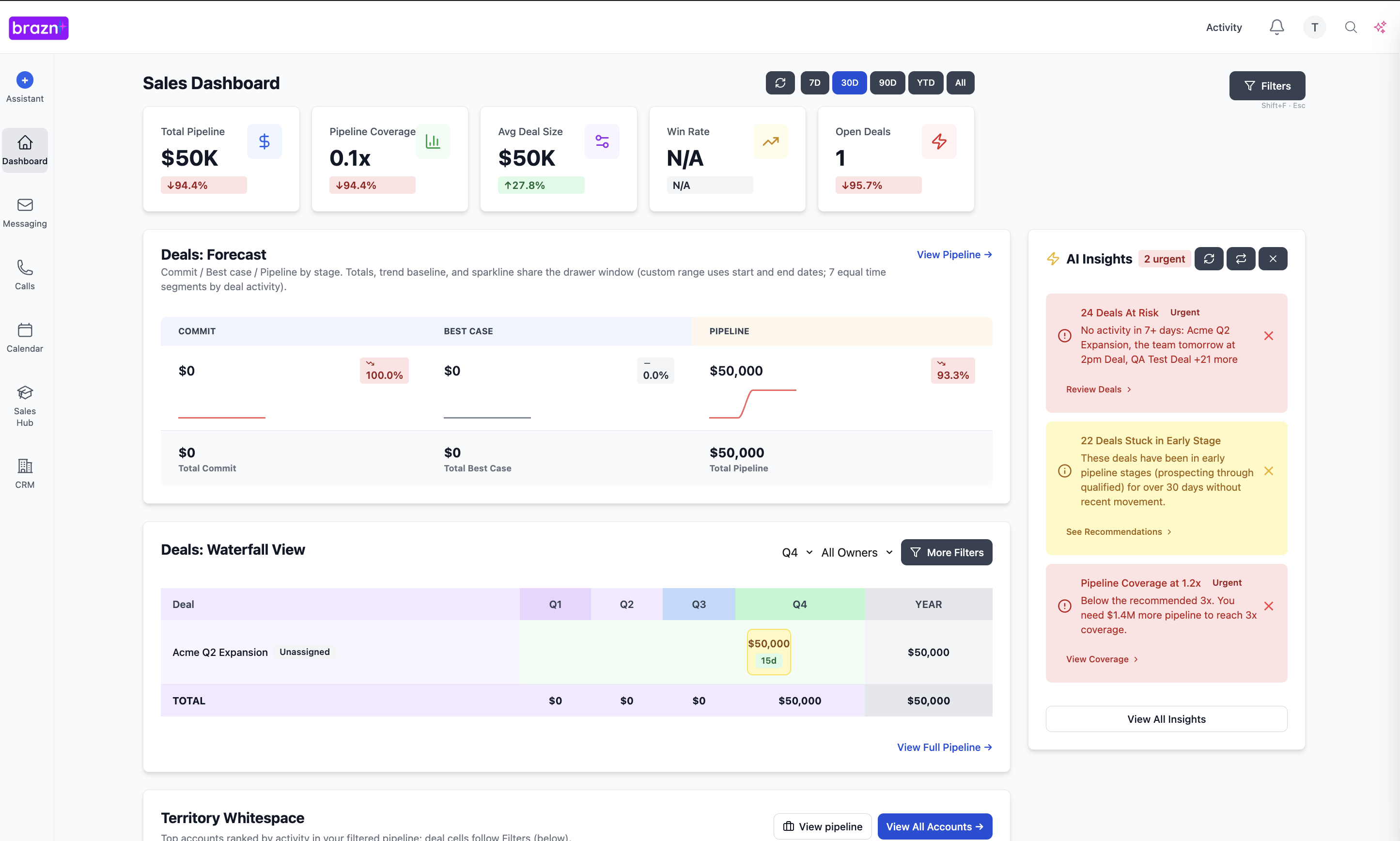
Actionable Advice: Track leading indicators like inbound lead velocity, SDR connection rates, and intent signal volume. If these metrics dip below historical baselines for two consecutive weeks, log it as a risk.
Best Practices: Don't just look at volume; assess 'Pipeline Coverage Ratio' (e.g., needing 3x pipeline to hit quota). If coverage drops, the risk of missing target increases exponentially.
H3 Category 2: Deal Execution Risk
Objective: Identify vulnerabilities in active opportunities.
Actionable Advice: Use AI conversation intelligence to automatically flag deals that lack multi-threading, have stalled in the same stage for too long, or where competitor mentions are increasing. Log these as specific deal risks.
Best Practices: Implement a 'Red Account' review process where managers actively brainstorm mitigation plays for high-risk, high-value deals.
H3 Category 3: Customer Churn Risk
Objective: Predict and prevent revenue leakage from the existing base.
Actionable Advice: Monitor product usage data, support ticket volume, and NPS scores. A sudden drop in daily active users or the departure of an executive champion should immediately trigger a risk entry.
Best Practices: Ensure Customer Success has pre-defined 'save plays' ready to deploy the moment a churn risk is identified.
H3 Category 4: Macro/Market Risk
Objective: Anticipate external factors that could impact the buying environment.
Actionable Advice: Regularly review industry news, regulatory changes, and economic forecasts. If a major shift occurs (e.g., new data privacy laws affecting your target persona), assess the potential impact on your sales cycles.
Best Practices: Keep this section focused on actionable risks, not general economic anxiety. If you can't build a mitigation plan for it, it's a worry, not a managed risk.
How to Implement This
The CRO owns the Risk Register, but RevOps is responsible for maintaining it. RevOps should build dashboards that automatically surface the data points needed to assess these risks (e.g., a dashboard showing all deals lacking a technical champion). The register should be reviewed weekly in the GTM leadership meeting, with specific leaders (Sales, Marketing, CS) taking ownership of mitigating the identified threats.
Next Steps
Predictable revenue isn't about hoping everything goes right; it's about knowing exactly what to do when things go wrong. By formalizing your risk management process, you build a resilient revenue engine capable of weathering market storms.
Start small: In your next pipeline review, ask your managers to identify the single biggest risk to hitting this quarter's number and draft one mitigation step. Ready to automate your risk detection? See how Brazn's AI platform can surface hidden pipeline risks before they impact your forecast.
Book a demo to see how Brazn AI fits into your sales stack.

About the Author
Alex Margarit, Sales AI Expert, SaaS Sales Leader, BMC, ServiceNow, Docusign — 25+ years in SaaS sales.