How to Measure the Impact of Sales Coaching at Scale
Sales coaching is universally acknowledged as a driver of revenue, yet it remains one of the least measured activities in the GTM motion. The problem? most organizations track the activity of coaching (hours spent) rather than the outcome (behavior change and win rate improvement), leaving leaders unable to prove its ROI.This article provides a tactical framework for measuring the impact of sales coaching at scale. We will show you how to move beyond subjective manager feedback and use AI to quantify how coaching interventions directly affect pipeline conversion.
What We'll Cover
In this article, we will cover:
- The difference between coaching activity and coaching impact
- Establishing a baseline before launching a coaching initiative
- Using conversational AI to track skill adoption
- Correlating behavior change to deal velocity and win rates
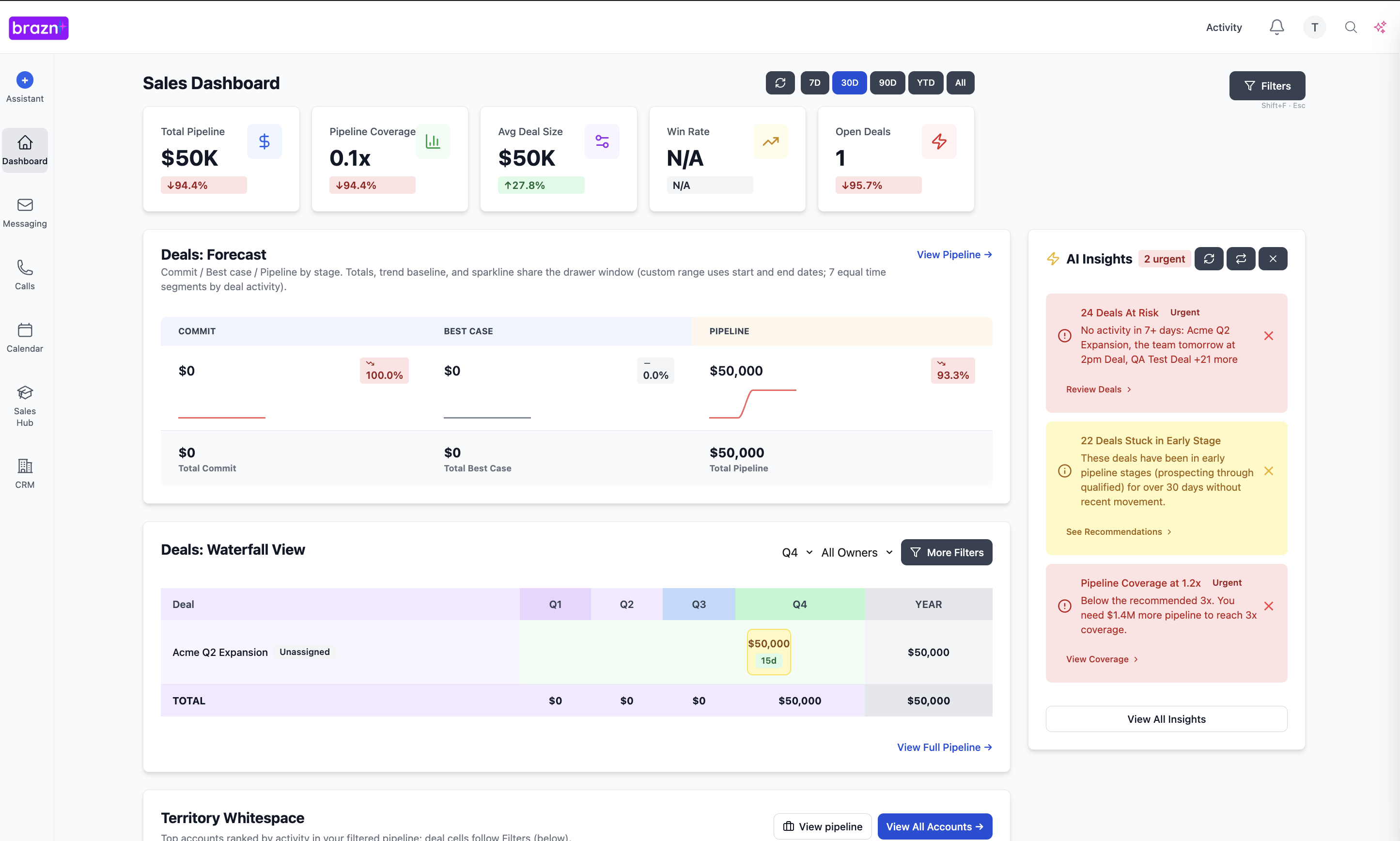
- Creating a coaching ROI dashboard for the executive team
Understanding the Approach
Measuring coaching impact at scale involves using technology to track whether the specific skills taught in a coaching session (e.g., using a new objection handling framework) are actually being utilized by reps on live calls, and then analyzing whether the adoption of those skills leads to measurable improvements in sales performance. It fits into the GTM motion by ensuring that enablement resources are deployed efficiently and generate a positive financial return.
Example: Enablement runs a training on selling to the CFO. RevOps then configures the conversational AI platform to track how often reps use the specific "CFO-centric" Discovery questions taught in the training. They then compare the win rates of the reps who adopted the questions versus those who didn't, proving the financial value of the training.
Why This Matters
Quantifying coaching impact transforms enablement from a cost center into a strategic revenue driver.
- Before: Enablement ROI is justified by "rep satisfaction scores" from post-training surveys. After: Enablement ROI is justified by hard data showing an increase in closed-won ARR.
- Before: Managers coach based on gut feeling, focusing on different things every week. After: Managers use data to identify specific skill gaps and focus their coaching on the areas with the highest potential impact.
- Before: Reps ignore coaching because they don't see the value. After: Reps embrace coaching because the data clearly shows how it helps them hit their quota.
The Complete Guide
H3 Step 1: Define the Observable Behavior
Objective: Ensure the coaching target can actually be measured.
Actionable Advice: Don't coach on vague concepts like "build better rapport." Coach on specific, observable behaviors, such as "ask at least two open-ended questions about the prospect's personal KPIs during discovery."
Best Practices: If an AI tool can't easily detect the behavior on a call transcript, it's likely too vague to measure effectively.
H3 Step 2: Track the "Adoption Rate"
Objective: Measure if the coaching actually changed rep behavior.
Actionable Advice: Use conversational AI to track the frequency of the targeted behavior on live calls. Create a dashboard showing the adoption rate for each rep over a 4-week period following the coaching session.
Best Practices: Celebrate the reps with the highest adoption rates publicly to encourage team-wide behavioral change.
H3 Step 3: Correlate to Conversion Metrics
Objective: Prove the financial value of the new behavior.
Actionable Advice: Analyze the CRM data to see if the calls where the targeted behavior was present resulted in a higher conversion rate to the next deal stage compared to calls where the behavior was absent.
Best Practices: Focus on stage-to-stage conversion rates (e.g., Discovery to Demo) rather than just overall win rates, as it provides a more immediate and isolated measure of impact.
How to Implement This
This measurement framework requires tight alignment between Enablement, RevOps, and Sales Leadership. Enablement defines the behaviors, RevOps builds the tracking dashboards using AI and CRM data, and Sales Managers use those dashboards to hold reps accountable for adopting the new skills.
Next Steps
Stop guessing whether your coaching is working. By defining observable behaviors and leveraging AI to track adoption, you can finally prove the ROI of your enablement efforts and build a culture of continuous, data-driven improvement.
Start small: Choose one specific discovery question you want your team to ask. Use your call recording software to manually check 10 calls this week to see if they're actually asking it. Ready to automate your coaching analytics? Explore Brazn.
####
Book a demo to see how Brazn AI fits into your sales stack.

About the Author
Alex Margarit, Sales AI Expert, SaaS Sales Leader, BMC, ServiceNow, Docusign — 25+ years in SaaS sales.