

Content: # From Reactive Reps to Proactive AI: The New Pipeline Operating Model
The traditional pipeline operating model is fundamentally reactive. Reps wait for an inbound lead to arrive, wait for a prospect to reply to an email, or wait for a manager to tell them a deal is at risk. This passive approach cedes control of the sales cycle to the buyer and leaves revenue teams constantly playing defense.
In a competitive market, waiting is losing. The most successful organizations are shifting to a proactive model, where technology anticipates needs and drives action before a problem arises.
This article introduces the new pipeline operating model. We will explore how replacing reactive rep behavior with proactive AI systems can accelerate deal velocity, mitigate risk, and give your team total control over their revenue destiny.
What We'll Cover
In this article, we will cover:
- The limitations of the reactive sales model
- Defining the proactive AI operating model
- Using AI to anticipate buyer objections
- Automating risk mitigation in active deals
- Shifting the manager's role from auditor to strategist
Understanding the Approach
A proactive AI operating model uses predictive analytics and automated workflows to identify risks and opportunities before they manifest, prompting the sales team to take preventative or accelerating action.
Example: In a reactive model, a rep finds out a deal is lost when the prospect emails to say they chose a competitor. In a proactive model, an AI analyzes the email velocity and meeting attendance of an active deal. It flags that the primary champion hasn't responded in 8 days and the executive sponsor missed the last meeting. The AI instantly prompts the rep with a specific 'multi-threading' play to re-engage the account before the deal is officially lost.
Why This Matters
Transitioning to a proactive model allows teams to shape the buyer's journey rather than just responding to it.
- Before: Reps are blindsided by late-stage objections they didn't anticipate. After: AI analyzes similar past deals and prompts the rep to address likely objections during the very first discovery call.
- Before: Deals stall because reps forget to follow up or miss subtle buying signals. After: AI monitors all engagement and automatically triggers the next best action, maintaining momentum.
- Before: Managers spend 1:1s asking 'What's the status of this deal?' After: Managers spend 1:1s asking 'How do we execute the AI's recommended strategy for this deal?'
The Complete Guide
Tactic 1: Predictive Churn and Stall Alerts
Objective: Intervene before a deal goes cold.
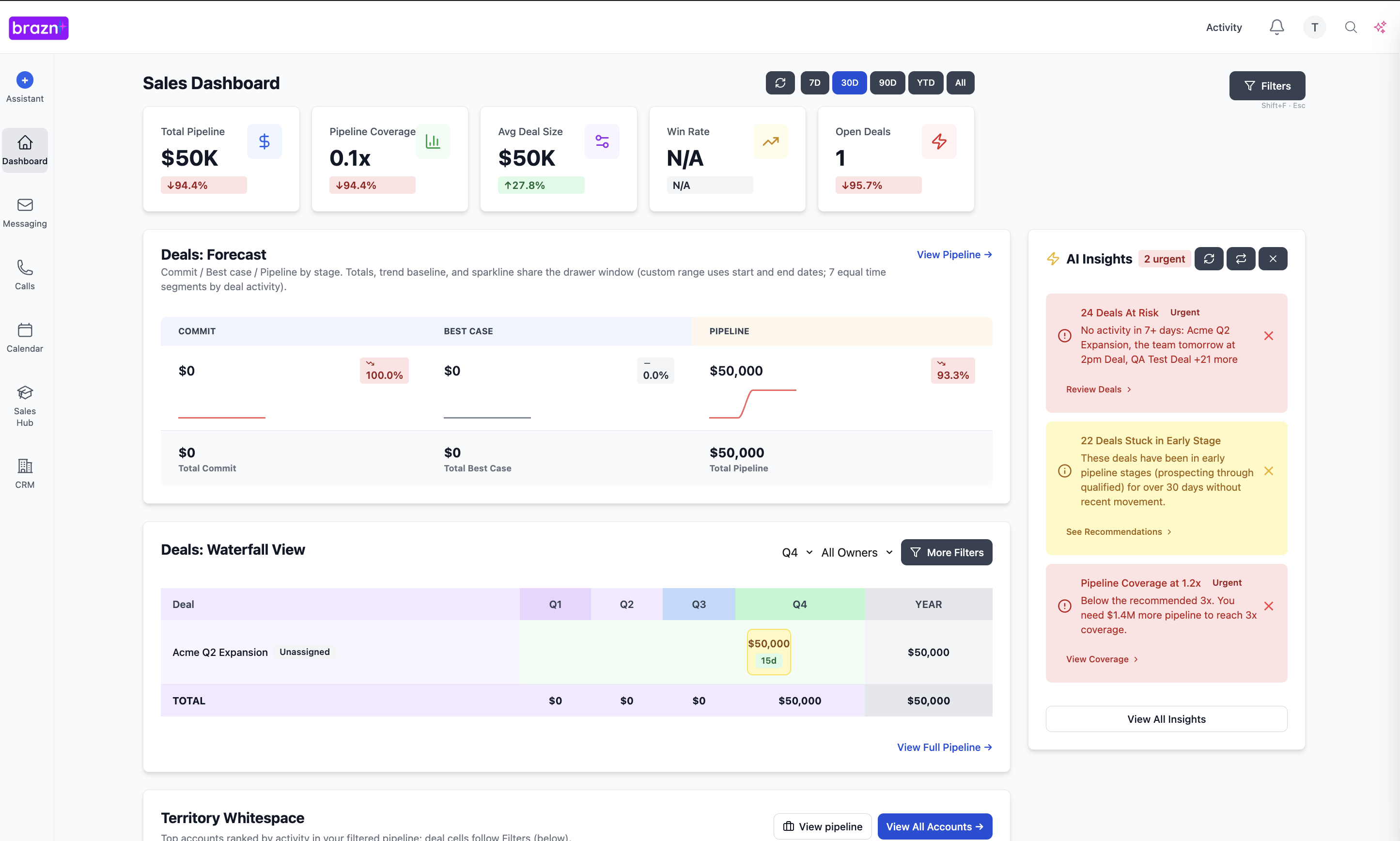
Actionable Advice: Implement an AI tool that monitors the 'digital body language' of active opportunities (e.g., time between emails, meeting cancellations). Set up alerts that trigger when a deal's momentum drops below a historical threshold, prompting the rep to execute a specific re-engagement play.
Best Practices: Ensure the alerts provide actionable advice, not just a warning. (e.g., 'Deal stalled. Send ROI calculator to Champion.')
Tactic 2: AI-Driven 'Next Best Action' Recommendations
Objective: Guide reps to the most effective strategy at every stage.
Actionable Advice: Configure your CRM to use AI to suggest the optimal next step for a deal based on the current stage and the specific buyer persona involved. If the deal is in the 'Proposal' stage with a CFO, the AI should suggest sending a financial justification one-pager.
Best Practices: Make it easy for the rep to execute the suggestion with a single click directly from the CRM.
Tactic 3: Proactive Multi-Threading Prompts
Objective: Prevent single points of failure in complex deals.
Actionable Advice: Use AI to analyze the contacts associated with an opportunity against your Ideal Customer Profile. If the AI detects that a necessary persona (e.g., IT Security) is missing from the conversation, it should automatically prompt the rep to ask for an introduction.
Best Practices: Provide the rep with an email template specifically designed to ask for that introduction.
How to Implement This
RevOps is responsible for building the proactive infrastructure. They must configure the predictive models, set up the alerts, and integrate the 'Next Best Action' recommendations into the reps' daily workflow. Sales Leadership must enforce a culture where ignoring an AI risk alert is unacceptable. Enablement must train the team on how to execute the proactive plays suggested by the AI.
Next Steps
The best way to handle an objection or a stalled deal is to prevent it from happening in the first place. Proactive AI gives you that power.
Review your CRM today. Find one deal in the 'Proposal' stage that hasn't had any activity in 5 days. Don't wait for them to call you. Send a proactive email offering a new piece of relevant value. Ready to transition to a proactive operating model? Discover how Brazn's AI anticipates buyer behavior.
From Reactive Reps to Proactive AI: The New Pipeline Operating Model
The traditional pipeline operating model is fundamentally reactive. Reps wait for an inbound lead to arrive, wait for a prospect to reply to an email, or wait for a manager to tell them a deal is at risk. This passive approach cedes control of the sales cycle to the buyer and leaves revenue teams constantly playing defense.
In a competitive market, waiting is losing. The most successful organizations are shifting to a proactive model, where technology anticipates needs and drives action before a problem arises.
This article introduces the new pipeline operating model. We will explore how replacing reactive rep behavior with proactive AI systems can accelerate deal velocity, mitigate risk, and give your team total control over their revenue destiny.
What We'll Cover
In this article, we will cover:
- The limitations of the reactive sales model
- Defining the proactive AI operating model
- Using AI to anticipate buyer objections
- Automating risk mitigation in active deals
- Shifting the manager's role from auditor to strategist
Understanding the Approach
A proactive AI operating model uses predictive analytics and automated workflows to identify risks and opportunities before they manifest, prompting the sales team to take preventative or accelerating action.
Example: In a reactive model, a rep finds out a deal is lost when the Prospect emails to say they chose a competitor. In a proactive model, an AI analyzes the email velocity and meeting attendance of an active deal. It flags that the primary Champion hasn't responded in 8 days and the executive sponsor missed the last meeting. The AI instantly prompts the rep with a specific 'multi-threading' play to re-engage the account before the deal is officially lost.
Why This Matters
Transitioning to a proactive model allows teams to shape the buyer's journey rather than just responding to it.
- Before: Reps are blindsided by late-stage objections they didn't anticipate. After: AI analyzes similar past deals and prompts the rep to address likely objections during the very first discovery call.
- Before: Deals stall because reps forget to follow up or miss subtle buying signals. After: AI monitors all engagement and automatically triggers the next best action, maintaining momentum.
- Before: Managers spend 1:1s asking 'What's the status of this deal?' After: Managers spend 1:1s asking 'How do we execute the AI's recommended strategy for this deal?'
The Complete Guide
Tactic 1: Predictive Churn and Stall Alerts
Objective: Intervene before a deal goes cold.
Actionable Advice: Implement an AI tool that monitors the 'digital body language' of active opportunities (e.g., time between emails, meeting cancellations). Set up alerts that trigger when a deal's momentum drops below a historical threshold, prompting the rep to execute a specific re-engagement play.
Best Practices: Ensure the alerts provide actionable advice, not just a warning. (e.g., 'Deal stalled. Send ROI calculator to Champion.')
Tactic 2: AI-Driven 'Next Best Action' Recommendations
Objective: Guide reps to the most effective strategy at every stage.
Actionable Advice: Configure your CRM to use AI to suggest the optimal next step for a deal based on the current stage and the specific buyer persona involved. If the deal is in the 'Proposal' stage with a CFO, the AI should suggest sending a financial justification one-pager.
Best Practices: Make it easy for the rep to execute the suggestion with a single click directly from the CRM.
Tactic 3: Proactive Multi-Threading Prompts
Objective: Prevent single points of failure in complex deals.
Actionable Advice: Use AI to analyze the contacts associated with an opportunity against your Ideal Customer Profile. If the AI detects that a necessary persona (e.g., IT Security) is missing from the conversation, it should automatically prompt the rep to ask for an introduction.
Best Practices: Provide the rep with an email template specifically designed to ask for that introduction.
How to Implement This
Revops is responsible for building the proactive infrastructure. They must configure the predictive models, set up the alerts, and integrate the 'Next Best Action' recommendations into the reps' daily workflow. Sales Leadership must enforce a culture where ignoring an AI risk alert is unacceptable. Enablement must train the team on how to execute the proactive plays suggested by the AI.Next Steps
The best way to handle an objection or a stalled deal is to prevent it from happening in the first place. Proactive AI gives you that power.
Review your CRM today. Find one deal in the 'Proposal' stage that hasn't had any activity in 5 days. Don't wait for them to call you. Send a proactive email offering a new piece of relevant value. Ready to transition to a proactive operating model? Discover how Brazn's AI anticipates buyer behavior.
---
####
Book a demo to see how Brazn AI fits into your sales stack.

About the Author

Alex Margarit, Sales AI Expert, SaaS Sales Leader, BMC, ServiceNow, Docusign — 25+ years in SaaS sales.