

Content: # Designing Deal Reviews That AEs Actually Look Forward To
Deal reviews are universally dreaded. AEs view them as micromanagement sessions where they have to defend their pipeline, and managers view them as tedious fact-finding missions. This adversarial dynamic kills morale and does nothing to advance deals.
It is possible to design deal reviews that AEs actually look forward to. This article outlines a collaborative, AI-assisted approach that shifts the focus from interrogation to strategic problem-solving, turning the deal review into the most valuable 30 minutes of an AE's week.
What We'll Cover
In this article, we will cover:
- The psychology of why AEs hate deal reviews
- The shift from status update to strategy session
- How to use AI to eliminate the fact-finding phase
- A 3-step framework for a collaborative deal review
Understanding the Approach
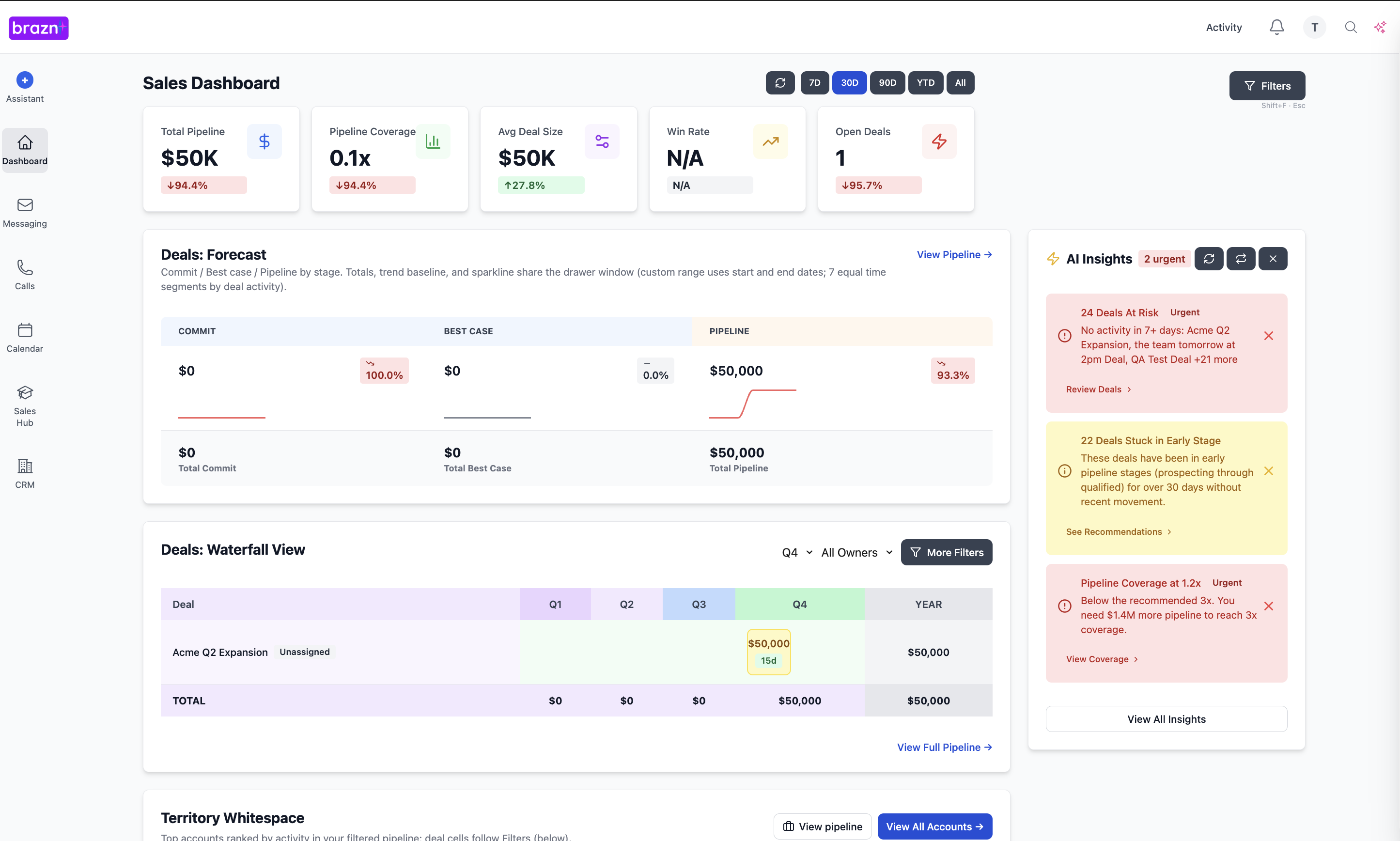
Designing a positive deal review means removing the administrative burden. By using AI to automatically summarize the deal status, identify missing methodology criteria, and calculate a risk score before the meeting, the manager and AE can spend the entire session brainstorming how to overcome obstacles and win the deal.
Example: Instead of the AE spending 10 minutes explaining the history of the account, the manager has already read the AI-generated brief. The meeting starts with the manager saying, "The AI flagged that we haven't spoken to the technical buyer in three weeks. What's our play to re-engage them?"
Why This Matters
This collaborative approach builds trust and directly improves win rates.
- Before: AEs hide deal risks to avoid getting yelled at, leading to late-stage slipped deals. After: AEs proactively bring risks to the review because they know the manager is there to help solve them.
- Before: The review focuses on past actions. After: The review focuses entirely on future strategy.
The Complete Guide
Step 1: The AI Pre-Read
Objective: Eliminate the status update.
Actionable Advice: Require both the manager and the AE to review the AI-generated deal summary (including recent call transcripts and risk flags) before the meeting begins.
Best Practices: If the data isn't in the system for the AI to read, the meeting is canceled until the CRM is updated.
Step 2: The 'One Big Obstacle' Focus
Objective: Keep the meeting highly actionable.
Actionable Advice: Ask the AE to identify the single biggest obstacle preventing the deal from moving to the next stage. Focus the entire brainstorming session on overcoming that hurdle.
Best Practices: Avoid discussing deals that are progressing smoothly; focus time where it's needed most.
Step 3: The Collaborative Action Plan
Objective: Leave with a clear, agreed-upon next step.
Actionable Advice: Use the meeting to co-create a specific action plan (e.g., drafting a specific email, planning a mutual action plan presentation).
Best Practices: The manager should offer their own resources (e.g., "I will reach out to their VP directly") to show they're invested in the win.
How to Implement This
Sales Leadership must enforce this cultural shift, training managers to act as coaches rather than interrogators. RevOps must provide the AI dashboards that make the pre-read possible. Enablement should monitor the effectiveness of these sessions and provide frameworks for strategic brainstorming.
Next Steps
If your AEs dread deal reviews, your process is broken. By leveraging AI to handle the facts and focusing your human energy on strategy, you can turn these meetings into a powerful engine for closing revenue.
For your next 1:1, tell your AE you don't want a status update. Ask them to bring only their most stuck deal and brainstorm a solution together. Ready to upgrade your deal reviews? See how Brazn's AI can help.
Designing Deal Reviews That AEs Actually Look Forward To
Deal reviews are universally dreaded. AEs view them as micromanagement sessions where they have to defend their pipeline, and managers view them as tedious fact-finding missions. This adversarial dynamic kills morale and does nothing to advance deals.
It is possible to design deal reviews that AEs actually look forward to. This article outlines a collaborative, AI-assisted approach that shifts the focus from "interrogation" to "strategic problem-solving," turning the deal review into the most valuable 30 minutes of an AE's week.
What We'll Cover
In this article, we will cover:
- The psychology of why AEs hate deal reviews
- The shift from 'status update' to 'strategy session'
- How to use AI to eliminate the fact-finding phase
- A 3-step framework for a collaborative deal review
Understanding the Approach
Designing a positive deal review means removing the administrative burden. By using AI to automatically summarize the deal status, identify missing methodology criteria, and calculate a risk score before the meeting, the manager and AE can spend the entire session brainstorming how to overcome obstacles and win the deal.
Example: Instead of the AE spending 10 minutes explaining the history of the account, the manager has already read the AI-generated brief. The meeting starts with the manager saying, "The AI flagged that we haven't spoken to the technical buyer in three weeks. What's our play to re-engage them?"
Why This Matters
This collaborative approach builds trust and directly improves win rates.
- Before: AEs hide deal risks to avoid getting yelled at, leading to late-stage slipped deals. After: AEs proactively bring risks to the review because they know the manager is there to help solve them.
- Before: The review focuses on past actions. After: The review focuses entirely on future strategy.
The Complete Guide
Step 1: The AI Pre-Read
Objective: Eliminate the status update.
Actionable Advice: Require both the manager and the AE to review the AI-generated deal summary (including recent call transcripts and risk flags) before the meeting begins.
Best Practices: If the data isn't in the system for the AI to read, the meeting is canceled until the CRM is updated.
Step 2: The 'One Big Obstacle' Focus
Objective: Keep the meeting highly actionable.
Actionable Advice: Ask the AE to identify the single biggest obstacle preventing the deal from moving to the next stage. Focus the entire brainstorming session on overcoming that specific hurdle.
Best Practices: Avoid discussing deals that are progressing smoothly; focus time where it's needed most.
Step 3: The Collaborative Action Plan
Objective: Leave with a clear, agreed-upon next step.
Actionable Advice: Use the meeting to co-create a specific action plan (e.g., drafting a specific email, planning a mutual action plan presentation).
Best Practices: The manager should offer their own resources (e.g., "I will reach out to their VP directly") to show they're invested in the win.
How to Implement This
Sales Leadership must enforce this cultural shift, training managers to act as coaches rather than interrogators. RevOps must provide the AI dashboards that make the pre-read possible. Enablement should monitor the effectiveness of these sessions and provide frameworks for strategic brainstorming.
Next Steps
If your AEs dread deal reviews, your process is broken. By leveraging AI to handle the facts and focusing your human energy on strategy, you can turn these meetings into a powerful engine for closing revenue.
For your next 1:1, tell your AE you don't want a status update. Ask them to bring only their most stuck deal and brainstorm a solution together. Ready to upgrade your deal reviews? See how Brazn's AI can help.
####
Book a demo to see how Brazn AI fits into your sales stack.

About the Author

Alex Margarit, Sales AI Expert, SaaS Sales Leader, BMC, ServiceNow, Docusign — 25+ years in SaaS sales.