

Content: # Conversation Data as a Pipeline Risk Engine
Pipeline management is often an exercise in guesswork, relying on reps' subjective feelings about a deal. This leads to inaccurate forecasts and missed targets. The most reliable indicator of deal health isn't a CRM field; it's the actual dialogue happening with the buyer.
Using conversation data as a pipeline risk engine provides an objective, real-time assessment of your deals. This article will explain how to harness this data to protect your pipeline.
What We'll Cover
In this article, we will cover:
- Why traditional pipeline metrics are flawed
- Building a conversation-driven risk engine
- Key risk indicators to monitor
- How to operationalize conversation insights
Understanding the Approach
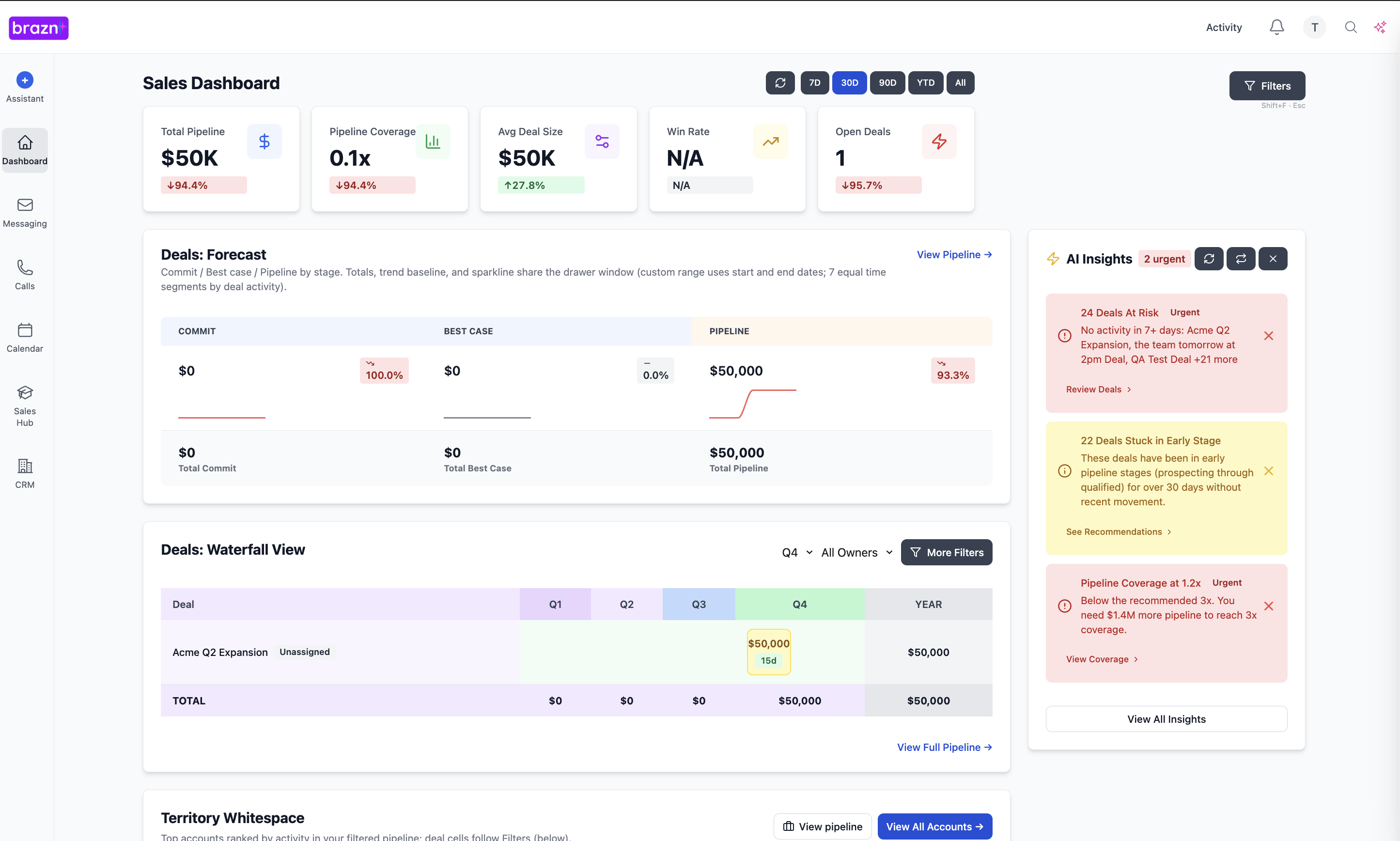
A conversation data risk engine uses AI to continuously analyze all buyer-seller interactions (calls, emails) across active opportunities. It looks for specific patterns, sentiments, and keywords that historically correlate with lost deals, providing an objective risk score for every opportunity.
Example: The risk engine analyzes an email thread and detects that the prospect's legal team has introduced a new, complex compliance requirement late in the deal cycle. It immediately flags the deal as 'High Risk' and alerts the sales manager.
Why This Matters
This approach transforms pipeline reviews from interrogations into strategic problem-solving sessions.
- Before: Managers ask reps "how do you feel about this deal?" After: Managers review the objective AI risk score and ask "how do we address this specific legal objection?"
- Before: Deals slip silently because reps are overly optimistic. After: The risk engine provides early warning signs, allowing for course correction.
The Complete Guide
Step 1: Centralize Conversation Data
Objective: Ensure all interactions are captured and analyzable.
Actionable Advice: Mandate the use of conversation intelligence tools for all external meetings and integrate email tracking.
Best Practices: Regularly audit usage to ensure reps aren't bypassing the system.
Step 2: Configure Risk Parameters
Objective: Define what constitutes a risk in your specific sales motion.
Actionable Advice: Work with top performers to identify the common objections or stalls they encounter, and program the AI to look for these.
Best Practices: Include both positive signals (e.g., "budget approved") and negative signals (e.g., "re-evaluating").
Step 3: Integrate with Deal Reviews
Objective: Make the risk engine a core part of your operating cadence.
Actionable Advice: Require reps to review the AI-generated risk signals before their 1:1s and come prepared with a mitigation plan.
Best Practices: Managers should use the insights to coach, not to micromanage.
How to Implement This
RevOps is responsible for building and maintaining the risk engine, ensuring the AI models are accurate and the CRM integrations are seamless. Sales Managers are the primary users, leveraging the insights to coach their reps. Enablement should use the aggregated data to identify common areas where reps struggle and create targeted training.
Next Steps
Stop guessing about your pipeline. By turning your conversation data into a risk engine, you gain the objective insights needed to forecast accurately and close more deals.
Start by identifying the top three reasons deals were lost last quarter. Ask yourself if those reasons were evident in the conversations leading up to the loss. Ready to build your risk engine? Discover Brazn's capabilities today.
Conversation Data as a Pipeline Risk Engine
Pipeline management is often an exercise in guesswork, relying on reps' subjective feelings about a deal. This leads to inaccurate forecasts and missed targets. The most reliable indicator of deal health isn't a CRM field; it's the actual dialogue happening with the buyer.
Using conversation data as a pipeline risk engine provides an objective, real-time assessment of your deals. This article will explain how to harness this data to protect your pipeline.
What We'll Cover
In this article, we will cover:
- Why traditional pipeline metrics are flawed
- Building a conversation-driven risk engine
- Key risk indicators to monitor
- How to operationalize conversation insights
Understanding the Approach
A conversation data risk engine uses AI to continuously analyze all buyer-seller interactions (calls, emails) across active opportunities. It looks for specific patterns, sentiments, and keywords that historically correlate with lost deals, providing an objective risk score for every opportunity.
Example: The risk engine analyzes an email thread and detects that the prospect's legal team has introduced a new, complex compliance requirement late in the deal cycle. It immediately flags the deal as 'High Risk' and alerts the sales manager.
Why This Matters
This approach transforms pipeline reviews from interrogations into strategic problem-solving sessions.
- Before: Managers ask reps "how do you feel about this deal?" After: Managers review the objective AI risk score and ask "how do we address this specific legal objection?"
- Before: Deals slip silently because reps are overly optimistic. After: The risk engine provides early warning signs, allowing for course correction.
The Complete Guide
Step 1: Centralize Conversation Data
Objective: Ensure all interactions are captured and analyzable.
Actionable Advice: Mandate the use of conversation intelligence tools for all external meetings and integrate email tracking.
Best Practices: Regularly audit usage to ensure reps aren't bypassing the system.
Step 2: Configure Risk Parameters
Objective: Define what constitutes a risk in your specific sales motion.
Actionable Advice: Work with top performers to identify the common objections or stalls they encounter, and program the AI to look for these.
Best Practices: Include both positive signals (e.g., "budget approved") and negative signals (e.g., "re-evaluating").
Step 3: Integrate with Deal Reviews
Objective: Make the risk engine a core part of your operating cadence.
Actionable Advice: Require reps to review the AI-generated risk signals before their 1:1s and come prepared with a mitigation plan.
Best Practices: Managers should use the insights to coach, not to micromanage.
How to Implement This
Revops is responsible for building and maintaining the risk engine, ensuring the AI models are accurate and the CRM integrations are seamless. Sales Managers are the primary users, leveraging the insights to coach their reps. Enablement should use the aggregated data to identify common areas where reps struggle and create targeted training.Next Steps
Stop guessing about your pipeline. By turning your conversation data into a risk engine, you gain the objective insights needed to forecast accurately and close more deals.
Start by identifying the top three reasons deals were lost last quarter. Ask yourself if those reasons were evident in the conversations leading up to the loss. Ready to build your risk engine? Discover Brazn's capabilities today.
####
Book a demo to see how Brazn AI fits into your sales stack.

About the Author

Alex Margarit, Sales AI Expert, SaaS Sales Leader, BMC, ServiceNow, Docusign — 25+ years in SaaS sales.