
8 Sales Productivity Traps That Quietly Kill Pipeline (and How to Design Around Them)
In the relentless pursuit of revenue, sales teams often equate activity with productivity. More calls, more emails, more meetings—the assumption is that higher volume inevitably leads to higher output. However, this "brute force" approach often masks deep inefficiencies. Reps find themselves caught in productivity traps, working longer hours but generating less pipeline. They are busy, but they aren't effective.
These traps are insidious because they look like hard work. Spending two hours perfectly formatting a proposal or manually researching an account feels productive, but it's actually stealing time from high-leverage selling activities. This article exposes 8 common sales productivity traps that quietly kill pipeline and provides actionable strategies to design workflows that prioritize true revenue-generating tasks.
What We'll Cover
In this article, we will cover:
- The difference between "activity" and "productivity" in sales
- Why brute force volume is a failing strategy in modern B2B SaaS
- 8 specific productivity traps that drain rep time
- How to use RevOps and automation to design around these traps
Understanding the Approach
In the context of GTM motions, true productivity is measured by the efficiency of moving a qualified prospect through the buying journey, not by the sheer number of tasks completed. A productivity trap is any activity that requires significant rep time but yields a low or disproportionate impact on the pipeline.
For example, a classic trap is "The Frankenstein Pitch Deck." A rep spends 45 minutes before every meeting pulling slides from five different old presentations to create a "custom" deck. While the rep feels they're preparing thoroughly, they're actually wasting time on low-value administrative work. A well-designed RevOps solution would provide a centralized, modular pitch deck tool that allows the rep to generate a customized presentation in 3 minutes.
Why This Matters
Designing around productivity traps is essential for maximizing the ROI of your sales team. By eliminating low-value tasks, you increase the capacity of your existing headcount, allowing them to focus on building relationships and closing deals without burning out.
- Before: Reps spend 30% of their week on manual data entry and CRM updates. After: Automated workflows capture data directly from emails and calls, giving reps back a day and a half of selling time each week.
- Before: The team sends thousands of generic cold emails with a 1% reply rate, burning through the total addressable market. After: Reps use intent signals to send 50 highly personalized emails a week, achieving a 15% reply rate and generating more qualified pipeline.
- Before: Reps waste hours searching for the latest pricing sheets or case studies. After: A centralized enablement platform surfaces the right content instantly within the CRM.
The Complete Guide
Trap 1: The Manual Research Rabbit Hole
Objective: Stop reps from spending hours Googling prospects before outreach.
Advice: Integrate a data enrichment tool (like ZoomInfo or Apollo) directly into the CRM. Use AI to summarize the prospect's recent company news and key initiatives into a 3-bullet "Briefing Document" right on the lead record.
Best Practices: Cap pre-call research time at 10 minutes. If the rep can't find a hook in 10 minutes, they should move on.
Trap 2: The "Just Checking In" Follow-Up
Objective: Eliminate low-value follow-up emails that annoy prospects and waste rep time.
Advice: Train reps to never send an email without providing new value. Create a library of "micro-content" (e.g., a relevant 1-page case study, a short video tip) that reps can easily insert into follow-ups.
Best Practices: If a rep has nothing valuable to share, they should delay the follow-up until they do.
Trap 3: The Unqualified Demo
Objective: Protect AE time from prospects who have no intention or budget to buy.
Advice: Enforce strict qualification criteria (like BANT or MEDDPICC) during the SDR handoff. If the criteria aren't met, the prospect is routed to a recorded webinar or a self-serve product tour, not a live AE demo.
Best Practices: Empower AEs to push back on SDRs if a meeting is booked without proper qualification.
Trap 4: The CRM Data Entry Slog
Objective: Automate the administrative burden of logging activities.
Advice: Deploy tools that automatically sync calendar events, emails, and call recordings to the appropriate CRM record.
Best Practices: Reps should only manually enter qualitative data (e.g., "The CFO seemed skeptical about the implementation timeline").
Trap 5: The Custom Proposal Bottleneck
Objective: Standardize the quoting process to reduce errors and save time.
Advice: Implement a Configure, Price, Quote (CPQ) system that allows reps to generate accurate, branded proposals with a few clicks, based on pre-approved pricing rules.
Best Practices: Restrict the ability to manually edit pricing fields to prevent rogue discounting.
Trap 6: The "Ghosted" Deal Chaser
Objective: Stop reps from endlessly pursuing prospects who have gone dark.
Advice: Implement an automated "Breakup Sequence." If a prospect hasn't responded to three follow-ups, automatically trigger a final, polite email closing the file.
Best Practices: Move these ghosted deals to a marketing nurture track rather than keeping them in the active pipeline.
Trap 7: The Meeting Prep Overkill
Objective: Streamline preparation for internal deal reviews.
Advice: Ban custom spreadsheets for pipeline reviews. Managers must run 1:1s directly from a standardized CRM dashboard. If the data isn't in the CRM, it doesn't exist.
Best Practices: Focus 1:1s on strategy and roadblocks, not on reading the status of every deal.
Trap 8: The Tool Context Switch
Objective: Reduce the cognitive load of jumping between 10 different sales apps.
Advice: Consolidate your tech stack or use an integration layer to bring critical tools (like email sequencing, calling, and intent data) into a single pane of glass, ideally the CRM or Slack.
Best Practices: Audit your tech stack annually and ruthlessly cut tools that have low adoption.
How to Implement This
Revops must act as the "Productivity Architects." They are responsible for identifying these traps through time-tracking studies or rep feedback and then designing the automated workflows or integrating the tools to eliminate them.Sales Leadership must enforce the new workflows. If RevOps builds a CPQ tool, managers must refuse to approve any proposal generated outside of it. Enablement should focus on training reps not just on how to use the product, but on how to manage their time and execute the specific high-leverage activities that the new workflows unlock.
Next Steps
Busy doesn't equal productive. By systematically identifying and eliminating the administrative traps that drain your sales team's time, you can unlock massive capacity without adding headcount.
Your challenge for this week: Ask your sales team to identify the one administrative task they hate doing the most. Whether it's logging calls or formatting proposals, task your RevOps team with automating or eliminating that single trap by the end of the month. Free your reps to do what they do best: sell.
####
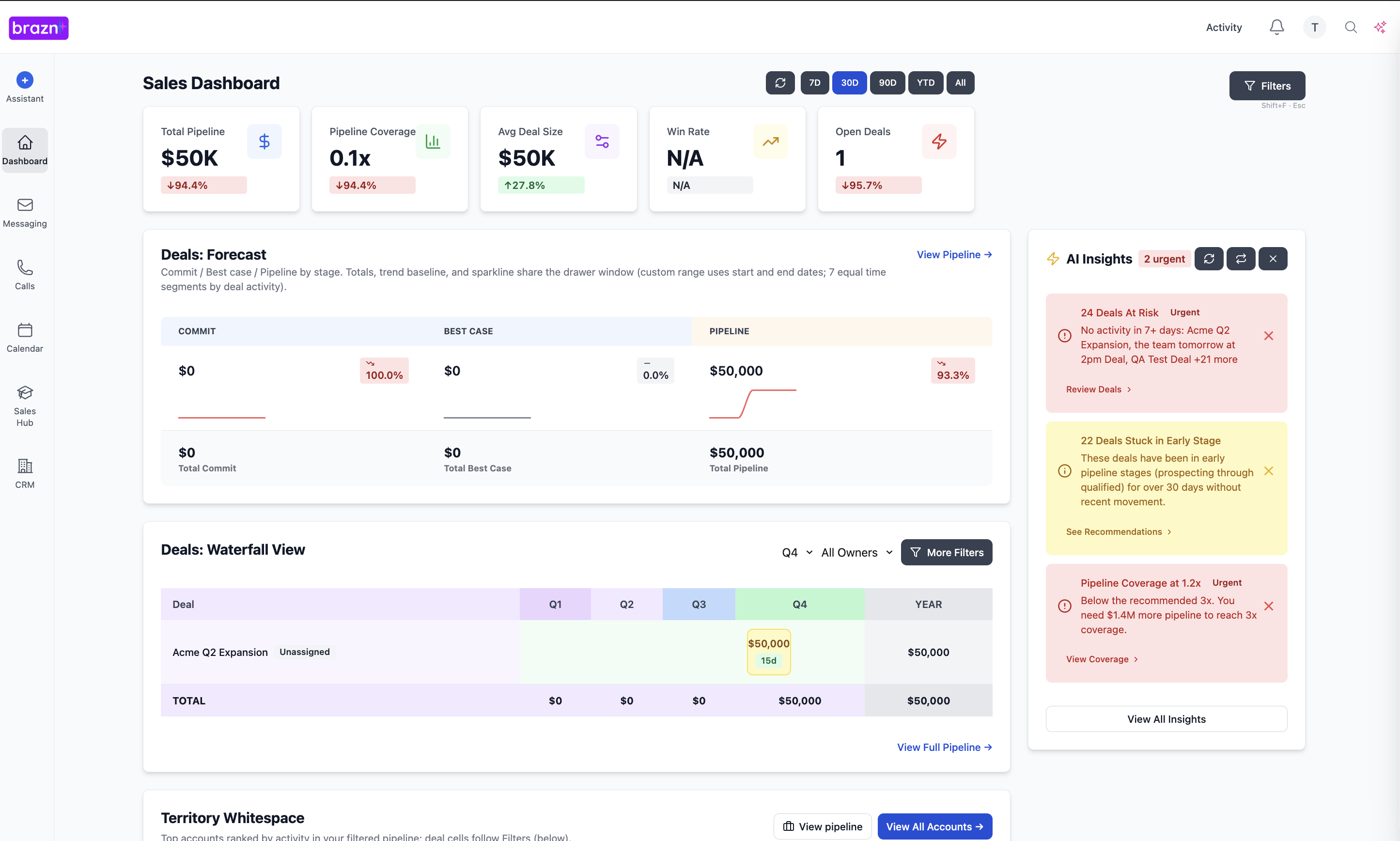
Book a demo to see how Brazn AI fits into your sales stack.

About the Author
Alex Margarit, Sales AI Expert, SaaS Sales Leader, BMC, ServiceNow, Docusign — 25+ years in SaaS sales.