
Content: # Discovery Plan Generation From Last-Touch Buyer Signals
A prospect just downloaded your pricing guide and requested a demo. Most reps will start that demo with a generic slide deck. This is a massive missed opportunity. The prospect's last-touch signal tells you exactly what they care about right now.
This article explains how to use AI to instantly generate a highly customized discovery plan based entirely on the buyer's last-touch signal, ensuring your first conversation is incredibly relevant and impactful.
What We'll Cover
In this article, we will cover:
- The importance of capitalizing on last-touch intent
- How AI translates signals into discovery strategy
- 3 examples of signal-driven discovery plans
- Automating the creation of these plans for reps
Understanding the Approach
Discovery plan generation involves using an AI agent to analyze the specific action a buyer took immediately before booking a meeting (e.g., which specific blog post they read, which features they clicked on in a product tour). The AI then drafts a customized agenda and a list of targeted discovery questions based on that specific context.
Example: A prospect books a meeting after spending 10 minutes on your "Salesforce Integration" page. The AI agent generates a discovery plan for the rep that skips the general product overview and immediately focuses the agenda on data migration, API limits, and CRM workflows, providing specific questions to ask about their current Salesforce setup.
Why This Matters
This hyper-relevance immediately establishes credibility and accelerates the sales cycle.
- Before: Reps use a one-size-fits-all discovery script, boring the prospect. After: Reps lead with a customized agenda that directly addresses the prospect's immediate interest.
- Before: The connection between marketing content and sales conversations is broken. After: The sales conversation is a seamless continuation of the marketing experience.
The Complete Guide
Signal 1: The 'Competitor Comparison' Page
Objective: Address the competitive threat head-on but professionally.
Actionable Advice: If the last touch was a "Us vs. Them" page, the AI should generate a discovery plan focused on the specific differentiators highlighted on that page.
Best Practices: Provide the rep with questions that highlight the competitor's weaknesses without explicitly naming them.
Signal 2: The 'Technical Documentation' View
Objective: Prepare for a detailed, technical evaluation.
Actionable Advice: If the prospect was reading API docs, the AI should flag this as a highly technical buyer. The discovery plan should include deep-dive questions about their current tech stack and suggest bringing a Sales Engineer to the call.
Best Practices: Ensure the rep doesn't try to answer technical questions they aren't prepared for.
Signal 3: The 'ROI Calculator' Submission
Objective: Focus the conversation on business value and metrics.
Actionable Advice: If the prospect used an ROI calculator, the AI should extract the specific numbers they inputted and generate a discovery plan centered around those financial metrics.
Best Practices: Have the rep start the call by validating the assumptions the prospect used in the calculator.
How to Implement This
RevOps must ensure that marketing intent data (website visits, content downloads) is passed seamlessly to the CRM and is accessible by the AI agent. Sales Enablement should train reps on how to execute these signal-driven discovery plans naturally. Marketing should continuously tag their content so the AI knows what context to apply.
Next Steps
Don't waste the first 10 minutes of a discovery call trying to figure out why the prospect is there. Let their actions tell you, and let AI build the plan.
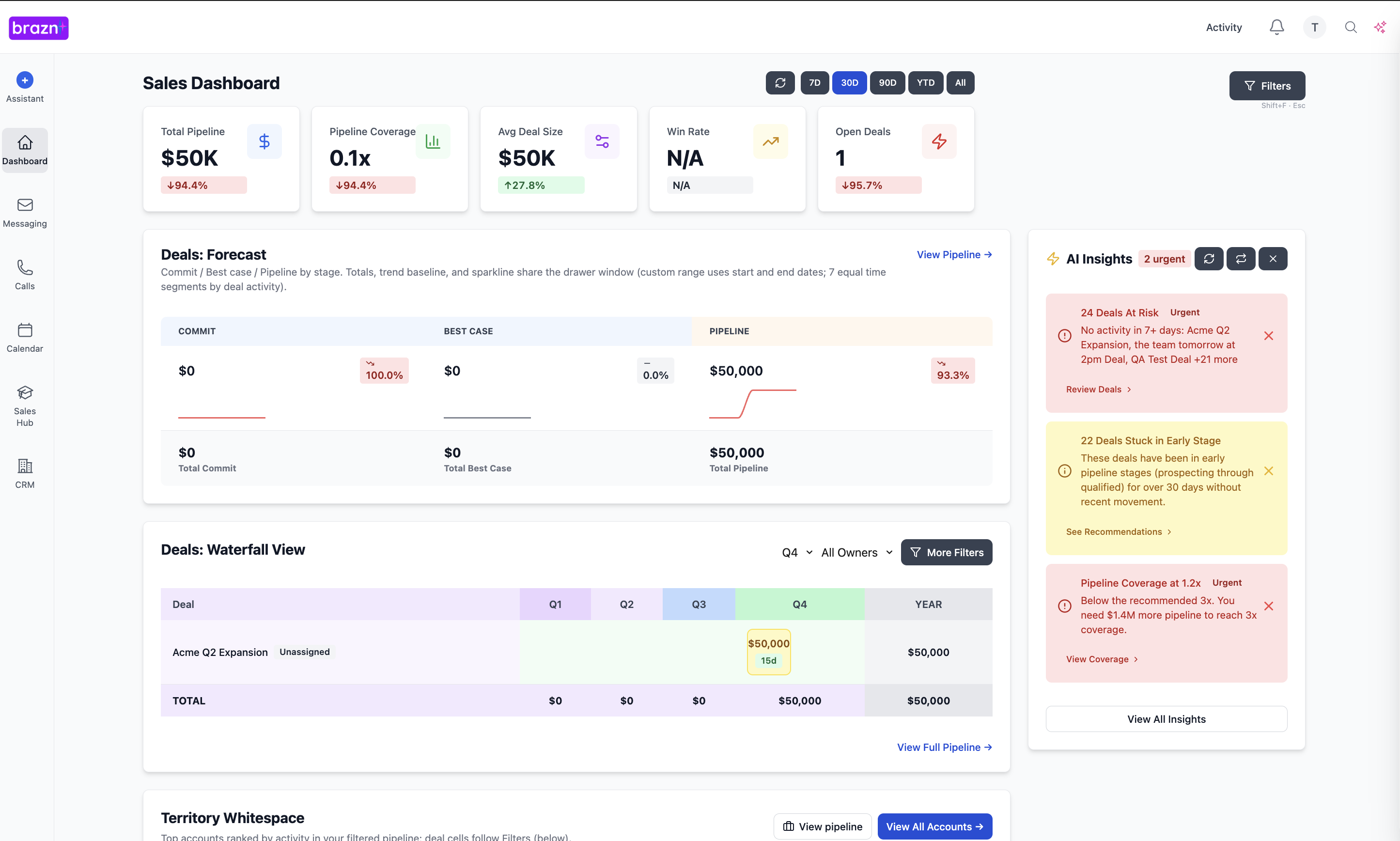
Look at your next scheduled discovery call. Find out exactly what page they were on before they booked. Adjust your opening question accordingly. Ready to automate this level of personalization? Explore Brazn's capabilities.
Discovery Plan Generation From Last-Touch Buyer Signals
A prospect just downloaded your pricing guide and requested a demo. Most reps will start that demo with a generic slide deck. This is a massive missed opportunity. The prospect's last-touch signal tells you exactly what they care about right now.
This article explains how to use AI to instantly generate a highly customized discovery plan based entirely on the buyer's last-touch signal, ensuring your first conversation is incredibly relevant and impactful.
What We'll Cover
In this article, we will cover:
- The importance of capitalizing on last-touch intent
- How AI translates signals into discovery strategy
- 3 examples of signal-driven discovery plans
- Automating the creation of these plans for reps
Understanding the Approach
Discovery plan generation involves using an AI agent to analyze the specific action a buyer took immediately before booking a meeting (e.g., which specific blog post they read, which features they clicked on in a product tour). The AI then drafts a customized agenda and a list of targeted discovery questions based on that specific context.
Example: A prospect books a meeting after spending 10 minutes on your "Salesforce Integration" page. The AI agent generates a discovery plan for the rep that skips the general product overview and immediately focuses the agenda on data migration, API limits, and CRM workflows, providing specific questions to ask about their current Salesforce setup.
Why This Matters
This hyper-relevance immediately establishes credibility and accelerates the sales cycle.
- Before: Reps use a one-size-fits-all discovery script, boring the prospect. After: Reps lead with a customized agenda that directly addresses the prospect's immediate interest.
- Before: The connection between marketing content and sales conversations is broken. After: The sales conversation is a seamless continuation of the marketing experience.
The Complete Guide
Signal 1: The 'Competitor Comparison' Page
Objective: Address the competitive threat head-on but professionally.
Actionable Advice: If the last touch was a "Us vs. Them" page, the AI should generate a discovery plan focused on the specific differentiators highlighted on that page.
Best Practices: Provide the rep with questions that highlight the competitor's weaknesses without explicitly naming them.
Signal 2: The 'Technical Documentation' View
Objective: Prepare for a detailed, technical evaluation.
Actionable Advice: If the prospect was reading API docs, the AI should flag this as a highly technical buyer. The discovery plan should include deep-dive questions about their current tech stack and suggest bringing a Sales Engineer to the call.
Best Practices: Ensure the rep doesn't try to answer technical questions they aren't prepared for.
Signal 3: The 'ROI Calculator' Submission
Objective: Focus the conversation on business value and metrics.
Actionable Advice: If the prospect used an ROI calculator, the AI should extract the specific numbers they inputted and generate a discovery plan centered around those financial metrics.
Best Practices: Have the rep start the call by validating the assumptions the prospect used in the calculator.
How to Implement This
Revops must ensure that marketing intent data (website visits, content downloads) is passed seamlessly to the CRM and is accessible by the AI agent. Sales Enablement should train reps on how to execute these signal-driven discovery plans naturally. Marketing should continuously tag their content so the AI knows what context to apply.Next Steps
Don't waste the first 10 minutes of a discovery call trying to figure out why the prospect is there. Let their actions tell you, and let AI build the plan.
Look at your next scheduled discovery call. Find out exactly what page they were on before they booked. Adjust your opening question accordingly. Ready to automate this level of personalization? Explore Brazn's capabilities.
---
####
Book a demo to see how Brazn AI fits into your sales stack.

About the Author
Alex Margarit, Sales AI Expert, SaaS Sales Leader, BMC, ServiceNow, Docusign — 25+ years in SaaS sales.