
Why Multichannel Sequences Beat Channel Mono-Cultures
Many sales organizations fall into the trap of a 'channel mono-culture.' They find success with cold email, so they build an entire outbound engine based solely on email. Or they hire a team of aggressive dialers and rely entirely on cold calling.
The problem? buyers aren't monolithic. Some executives never answer their phone but obsessively check LinkedIn. Others ignore cold emails but will engage with a well-timed direct mail package. Relying on a single channel guarantees you're missing a massive portion of your Total Addressable Market.
This article explains why modern revenue teams must adopt a multichannel approach. We will explore how to orchestrate email, phone, social, and direct mail into cohesive sequences that dramatically increase your chances of connecting with elusive buyers.
What We'll Cover
In this article, we will cover:
- The danger of relying on a single outbound channel
- Understanding buyer channel preferences
- The anatomy of a successful multichannel sequence
- How to orchestrate timing across different platforms
- Using intent data to dictate channel strategy
Understanding the Approach
A multichannel sequence is an automated, coordinated series of outreach steps that utilizes different communication platforms (email, phone, Linkedin, direct mail) in a strategic order to maximize the probability of engagement. It isn't just sending the same message everywhere; it's adapting the message to fit the context of the channel.
Example: A rep doesn't just send 5 emails in a row. They send an email on Day 1. On Day 2, they view the prospect's LinkedIn profile (a soft touch). On Day 4, they leave a voicemail referencing the email. On Day 7, they send a LinkedIn connection request with a personalized note. The channels work together to build familiarity without being overwhelming.
Why This Matters
Adopting a multichannel approach significantly increases connect rates and ensures your brand stays top-of-mind across the buyer's entire digital ecosystem.
- Before: Reps hit a wall when their primary channel (e.g., email) stops working due to spam filters or market saturation. After: Reps maintain consistent pipeline generation by pivoting to alternative channels.
- Before: Prospects feel spammed by repetitive emails. After: Prospects experience a professional, persistent, and varied outreach strategy that builds credibility.
- Before: The company's TAM is artificially limited by channel preference. After: The company can effectively penetrate any account by finding the specific channel the buyer prefers.
The Complete Guide
H3 Tactic 1: The 'Omnipresence' Play
Objective: Build brand familiarity before making the hard ask.
Actionable Advice: Structure your sequences so the first few touches are low-friction and spread across channels. For example: Day 1: Connect on LinkedIn. Day 2: Engage with one of their posts. Day 4: Send a highly personalized, value-add email. Day 6: Call to follow up on the email.
Best Practices: Ensure your reps' LinkedIn profiles are optimized and professional, as prospects will almost always check them after receiving an email or call.
H3 Tactic 2: Channel Shifting Based on Engagement
Objective: Adapt your strategy based on the buyer's digital body language.
Actionable Advice: Use sales engagement software to track behavior. If a prospect opens your email three times but doesn't reply, don't send another email. Immediately shift to a phone call, as you know they're currently at their desk and thinking about your topic.
Best Practices: If a channel consistently yields zero engagement from a specific prospect, stop using it and double down on the others.
H3 Tactic 3: The 'Executive Direct Mail' Pattern Break
Objective: Cut through the digital noise for high-value targets.
Actionable Advice: For top-tier, C-level prospects who are impossible to reach via email or phone, integrate a high-quality direct mail piece into your sequence. Follow up the physical delivery with an immediate phone call or email referencing the package.
Best Practices: Do not send generic swag. Send something highly personalized or a high-value piece of physical content (like a printed industry report).
How to Implement This
Revops is the conductor of the multichannel orchestra. They must integrate the email platform, the dialer, LinkedIn automation tools, and direct mail vendors into a single, seamless workflow within the CRM. Sales Enablement must train reps on the nuances of each channel (e.g., a LinkedIn message should be much shorter and more conversational than an email). Sales Leadership must measure sequence success holistically, not just by channel.Next Steps
If you only fish with one type of bait, you're only going to catch one type of fish. To dominate your market, you must be present wherever your buyers are.
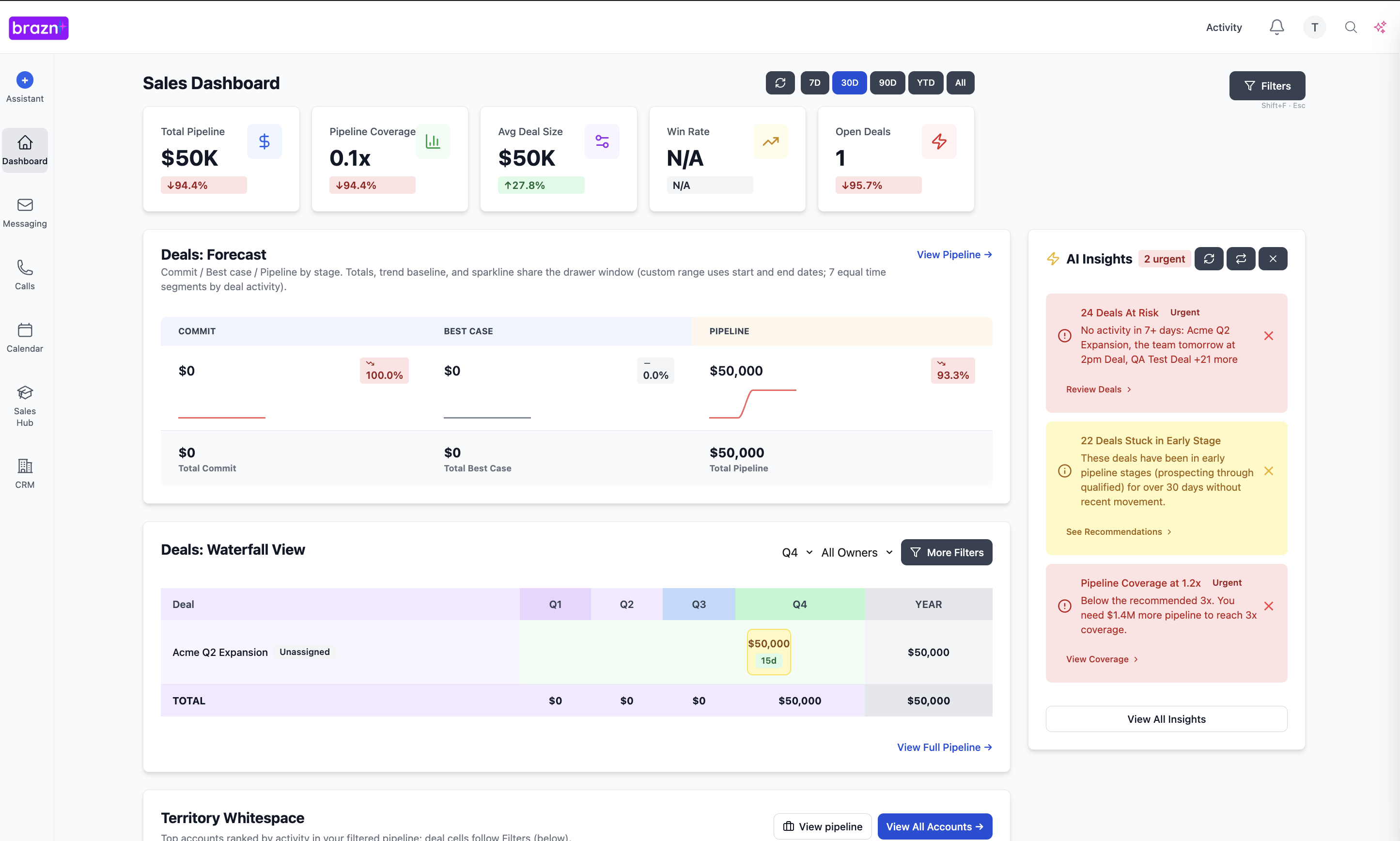
Audit your most successful outbound sequence today. If it only uses one channel, add two steps utilizing a different platform (like a LinkedIn touch or a phone call) next week and measure the difference. Ready to orchestrate complex multichannel campaigns effortlessly? See how Brazn's platform unifies your outreach strategy.
Book a demo to see how Brazn AI fits into your sales stack.

About the Author
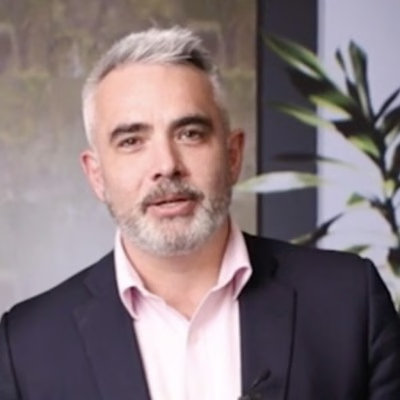
Alex Margarit, Sales AI Expert, SaaS Sales Leader, BMC, ServiceNow, Docusign — 25+ years in SaaS sales.