

What 100 Million Missed SaaS Opportunities Teach Us About Fixing Pipeline Hygiene
Pipeline hygiene is the unglamorous, often-ignored chore of B2B sales. Reps hate updating the CRM, managers hate nagging them to do it, and RevOps hates building forecasts on shaky data. But ignoring pipeline hygiene is a costly mistake. When deals are left to rot in the CRM, forecasts become fiction, resources are misallocated, and true growth opportunities are obscured by a mountain of dead weight.
Imagine analyzing 100 million missed SaaS opportunities. The data reveals a stark reality: deals don't usually die in a dramatic final presentation; they slowly suffocate due to neglect, poor qualification, and a lack of clear next steps. This article explores the hard lessons learned from massive datasets of lost deals and provides a framework to ruthlessly clean your pipeline, ensuring your forecast reflects reality, not hope.
What We'll Cover
In this article, we will cover:
- The hidden costs of poor pipeline hygiene
- Key insights from analyzing millions of lost SaaS deals
- 4 common pipeline hygiene failures and how to fix them
- A structured routine for maintaining a pristine CRM
Understanding the Approach
Pipeline hygiene is the practice of ensuring that the data within your CRM accurately reflects the real-world status of your sales opportunities. In the context of RevOps, it's about establishing strict criteria for when a deal enters the pipeline, when it moves stages, and crucially, when it must be removed.
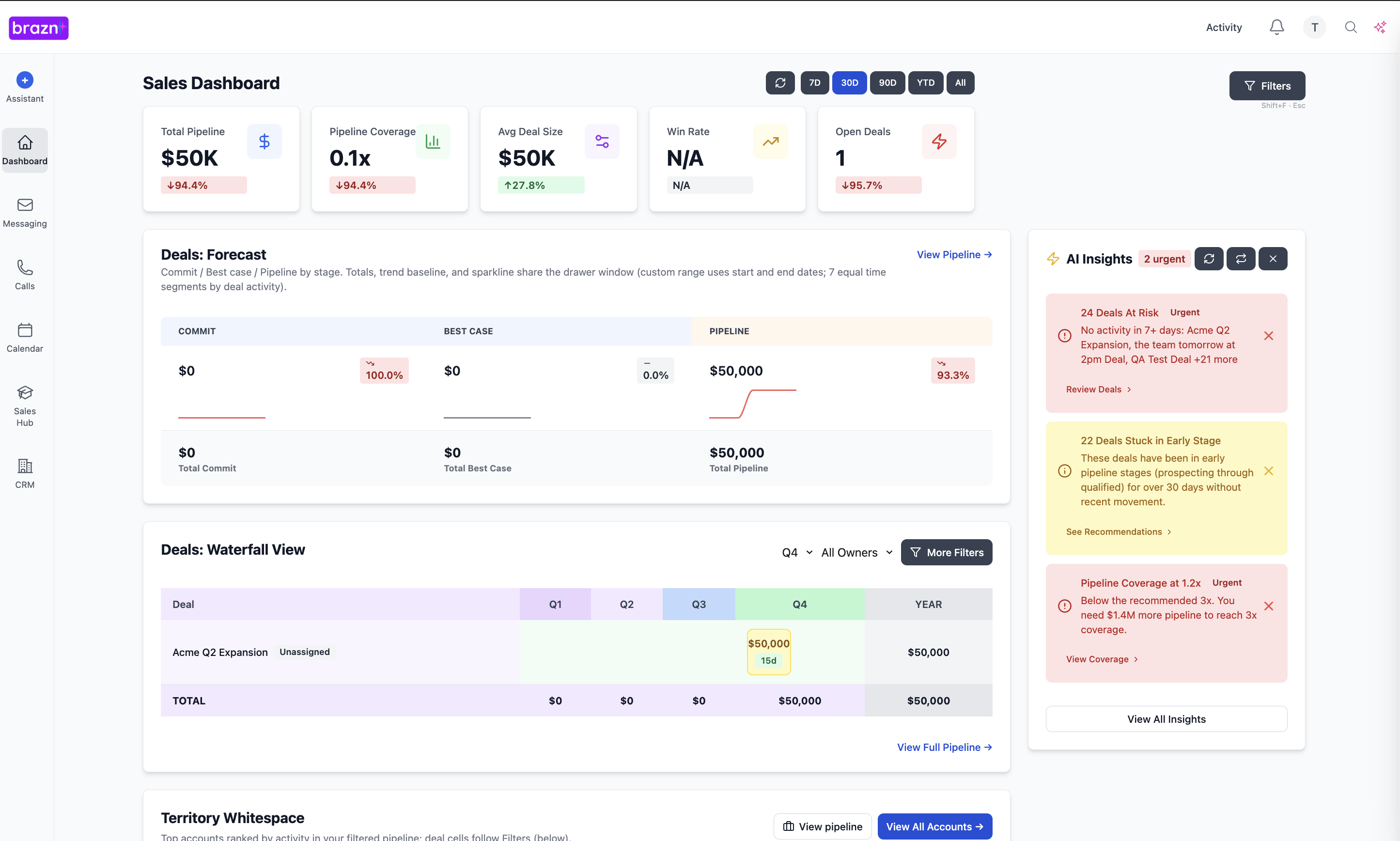
For example, a common hygiene failure is the "Zombie Deal"—an opportunity that has been in the 'Proposal Sent' stage for 90 days with no prospect engagement, yet the rep keeps pushing the close date to the end of the current month. Good hygiene dictates that this deal is automatically moved to 'Closed Lost' or a 'Nurture' sequence, removing the artificial inflation from the forecast.
Why This Matters
Maintaining rigorous pipeline hygiene is essential for accurate forecasting, efficient resource allocation, and identifying genuine coaching opportunities. A clean pipeline allows leadership to make strategic decisions based on facts, not rep optimism.
- Before: The forecast is a guessing game, leading to missed targets and a lack of board confidence. After: The forecast is built on objective, up-to-date data, resulting in high predictability and strategic alignment.
- Before: Reps waste hours "following up" on dead deals that will never close. After: Reps focus their energy solely on active, high-probability opportunities, increasing their effective win rate.
- Before: Marketing continues to target accounts that are already disqualified, wasting ad spend. After: Accurate 'Closed Lost' reasons inform marketing campaigns, ensuring resources are directed at the right ICP.
The Complete Guide
H3 Failure 1: The "Hope" Close Date
Insight: Deals where the close date has been pushed more than three times have a win rate of less than 5%.
Fix: Implement a "Three Strikes" rule. If a close date is pushed three times without a material change in the deal (e.g., a new stakeholder added), the deal must be moved to 'Closed Lost' or a 'Hold' stage requiring manager approval to reopen.
Best Practices: Automate this process in the CRM so reps can't manually override the rule without justification.
H3 Failure 2: The Missing Next Step
Insight: Opportunities that sit for more than 14 days without a scheduled next step are 70% more likely to be lost.
Fix: Make "Next Step Date" a mandatory field for all open opportunities. Create a dashboard that highlights "Deals at Risk"—any opportunity where the next step date is in the past or blank.
Best Practices: Train reps to never leave a meeting without a calendar invite for the next touchpoint, even if it's just a 5-minute check-in.
H3 Failure 3: The Bloated Early Pipeline
Insight: 40% of deals in the 'Discovery' stage never progress because they were never qualified to begin with.
Fix: Enforce strict exit criteria for the first stage. A deal can't move from 'Discovery' to 'Evaluation' unless specific criteria (e.g., confirmed budget, identified pain point) are documented in the CRM.
Best Practices: Use a qualification framework like MEDDPICC and require reps to fill out specific fields before the CRM allows stage progression.
H3 Failure 4: The Vague Loss Reason
Insight: Over 50% of lost deals are marked with unhelpful reasons like "Timing" or "Went Dark," making it impossible to learn from the loss.
Fix: Overhaul your 'Closed Lost' reasons. Replace generic options with specific, actionable categories like "Lost to Competitor X (Price)," "Missing Feature Y," or "Failed to Secure Executive Sponsor."
Best Practices: Require a brief, 2-sentence narrative explanation for any deal lost over a certain ARR threshold.
How to Implement This
RevOps must be the enforcer of pipeline hygiene. They are responsible for building the automated rules (like the "Three Strikes" close date rule) and creating the exception reports that highlight bad data. RevOps should also conduct a monthly "Pipeline Flush" to automatically close out deals that violate the established hygiene rules.
Sales Leadership must support RevOps by not punishing reps for having a smaller, but more accurate, pipeline. Managers should use the hygiene reports in their weekly 1:1s, coaching reps on why a deal stalled rather than just demanding they update the close date. Enablement should ensure reps understand that updating the CRM isn't admin work; it's the foundation of their own success.
Next Steps
A bloated pipeline is a liability, not an asset. By learning from the millions of deals that die quietly in the CRM, you can implement strict hygiene rules that force your team to confront reality. A clean pipeline leads to accurate forecasts, focused reps, and ultimately, more closed-won revenue.
Start your hygiene routine this Friday. Run a report of all deals that have been in the same stage for over 45 days or have a close date that has been pushed more than twice. Sit down with your reps and ruthlessly flush those "Zombie Deals" from the pipeline. The temporary drop in total pipeline value will be immediately offset by the clarity it brings to your forecast.
Book a demo to see how Brazn AI fits into your sales stack.

About the Author

Alex Margarit, Sales AI Expert, SaaS Sales Leader, BMC, ServiceNow, Docusign — 25+ years in SaaS sales.