
Vibe-Selling: How Founder-Led Startups Build Pipeline Faster with AI
In the early days of a startup, founders don't rely on massive marketing budgets or complex outbound cadences to generate pipeline. They rely on passion, deep industry knowledge, and authentic connections. This is often referred to as "vibe-selling"—winning deals through the sheer force of the founder's conviction and personal brand.
The problem arises when the startup tries to scale. You can't easily clone the founder's "vibe" into a team of newly hired SDRs. However, with the right AI strategy, you can capture the essence of founder-led sales and scale it across your entire GTM motion. This article explores how startups can use AI to operationalize authenticity and build pipeline faster.
What We'll Cover
In this article, we will cover:
- The power and limitations of founder-led "vibe-selling"
- Why traditional SDR playbooks often fail in early-stage startups
- 3 ways to use AI to scale the founder's voice and expertise
- How to automate the research required for authentic outreach
- Transitioning from founder-led to process-led sales without losing the magic
Understanding the Approach
Scaling "vibe-selling" means using technology to replicate the highly personalized, insight-driven approach that founders naturally take when selling. In a RevOps context, this involves extracting the founder's domain expertise and codifying it into AI prompts, content templates, and automated research workflows that empower the sales team to sound just as knowledgeable as the founder.
Example: A founder naturally knows the specific pain points of a niche industry because they lived it. Instead of an SDR sending a generic "checking in" email, RevOps uses an AI tool trained on the founder's past emails and blog posts to automatically draft outreach that references those specific, nuanced industry pains, capturing the founder's authentic voice.
Why This Matters
Successfully scaling the founder's approach is critical for crossing the chasm from early adoption to predictable, scalable revenue.
- Before: The founder is the only one who can close deals, creating a massive bottleneck to growth. After: The sales team is empowered to sell with the same conviction and expertise, accelerating pipeline generation.
- Before: Newly hired SDRs send generic, spammy emails that damage the startup's brand. After: AI ensures all outreach is highly personalized and aligned with the founder's strategic messaging.
- Before: The startup struggles to compete with larger incumbents who have massive marketing budgets. After: The startup wins by delivering hyper-relevant, authentic buying experiences that large companies can't replicate.
The Complete Guide
Step 1: Clone the Founder's Voice
Objective: Train AI to write like the founder.
Actionable Advice: Gather the founder's best-performing cold emails, LinkedIn posts, and manifesto documents. Feed this corpus into an AI platform (like ChatGPT or Brazn) to create a custom "Brand Voice" model.
Best Practices: Ensure the AI captures the founder's specific vocabulary, tone (e.g., provocative vs. academic), and formatting preferences.
Step 2: Automate the "Deep Research"
Objective: Give reps the insights they need to be credible.
Actionable Advice: Founders win because they deeply understand the prospect's business. Use AI agents to automate this research. Set up workflows that automatically scrape a target account's recent news, 10-Ks, and executive interviews, summarizing the key strategic initiatives for the rep before they reach out.
Best Practices: Train the AI to look for the specific "trigger events" that the founder traditionally looks for when prospecting.
Step 3: Build Dynamic "Point of View" (POV) Content
Objective: Scale the founder's industry expertise.
Actionable Advice: Use AI to help the founder quickly generate thought leadership content. Record a 15-minute brain-dump from the founder on a specific industry trend, and use AI to turn that transcript into a blog post, a Linkedin thread, and an email sequence for the sales team.
Best Practices: The AI should do the heavy lifting of drafting, but the founder must always review and inject their final "vibe" before publishing.
Step 4: The AI-Assisted Deal Review
Objective: Transfer closing skills from the founder to the AEs.
Actionable Advice: Implement conversational intelligence to record all AE calls. Have the AI analyze these calls against the founder's successful sales methodology, automatically flagging areas where the AE missed an opportunity to leverage a specific insight or handle an objection effectively.
Best Practices: Use these AI insights as the basis for 1:1 coaching sessions between the founder/sales leader and the reps.
How to Implement This
In an early-stage startup, the Founder must be willing to document their process and share their "secret sauce." The first RevOps hire (or a technically adept sales leader) is responsible for building the AI prompts and workflows that operationalize that knowledge. Enablement focuses on teaching the reps how to use these AI tools to enhance their own authentic selling style, rather than just acting as robots.
Next Steps
You don't have to lose your startup's unique "vibe" when you scale. By leveraging AI to codify the founder's expertise and automate deep research, you can empower your entire sales team to sell with authenticity and conviction.
Start by capturing the voice. Take the three best emails the founder ever wrote and use them to create a custom AI Prompt for your SDRs this week. Ready to scale your founder-led motion? See how Brazn can codify your unique GTM strategy into automated playbooks.
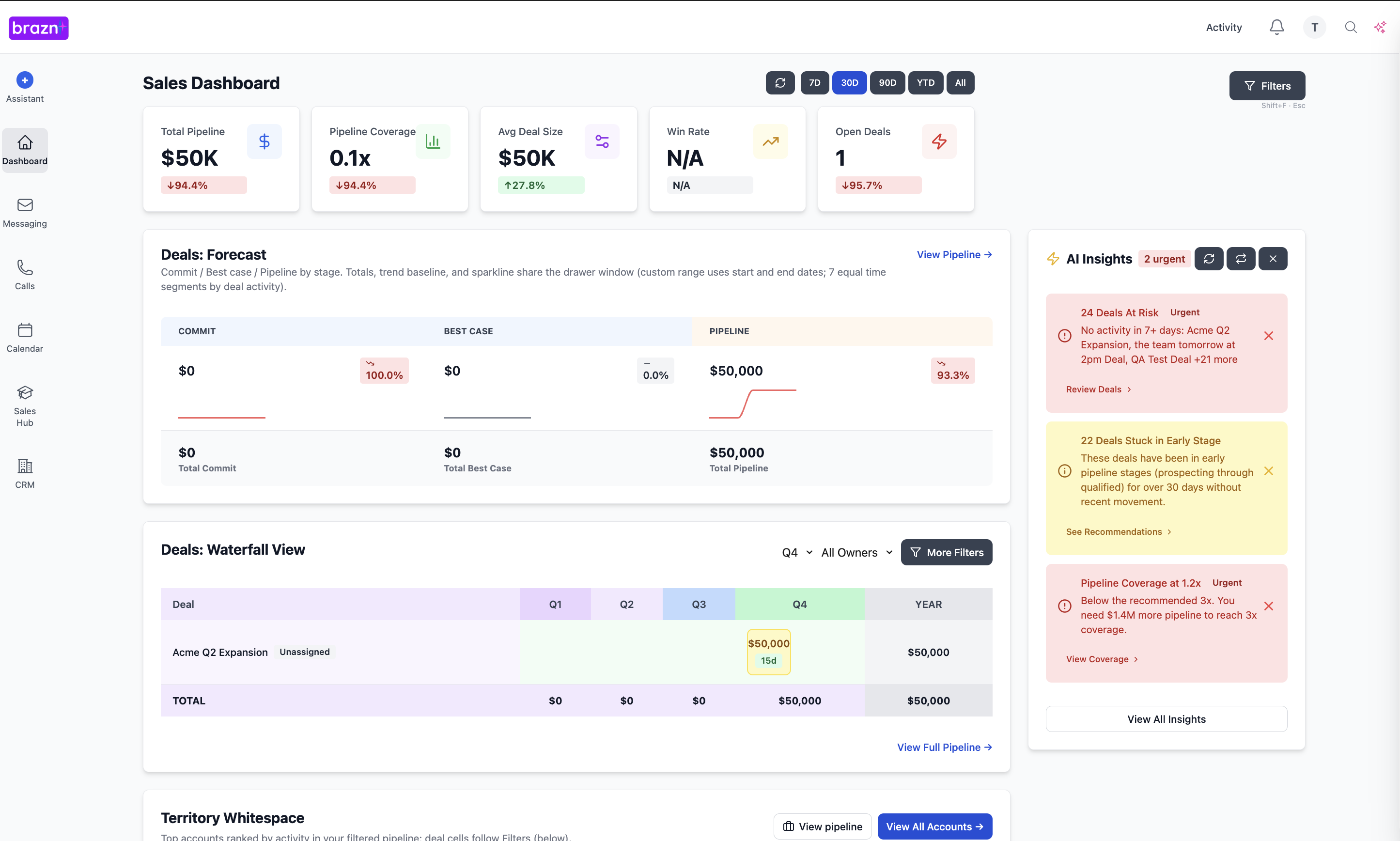
Book a demo to see how Brazn AI fits into your sales stack.

About the Author
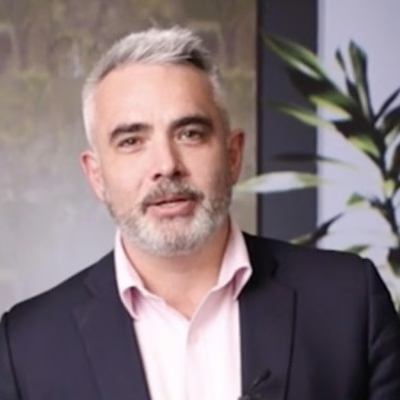
Alex Margarit, Sales AI Expert, SaaS Sales Leader, BMC, ServiceNow, Docusign — 25+ years in SaaS sales.