
The SDR–AE Handoff in an Agentic Sales Org
The handoff between a Sales Development Representative (SDR) and an Account Executive (AE) is historically the most fragile point in the sales cycle. Prospects are forced to repeat their pain points, momentum stalls as calendars misalign, and critical context is often lost in messy CRM notes. This friction leads to dropped meetings, frustrated buyers, and a leaky pipeline.
In a traditional sales org, fixing this requires endless alignment meetings and rigid SLAs. But the rise of 'agentic' AI—systems that can autonomously execute tasks—is completely rewriting the rules of the SDR-AE handoff. We are moving from a manual baton pass to a seamless, AI-orchestrated transition.
This article explores how agentic sales organizations are redesigning the handoff process, eliminating friction, and ensuring the buyer experiences a single, unified journey.
What We'll Cover
In this article, we will cover:
- Why the traditional SDR-AE handoff is fundamentally broken
- Defining the 'Agentic Handoff' and how it differs from automation
- 3 AI workflows to seamlessly transfer context and momentum
- Redefining the roles of SDRs and AEs in an agentic model
- How to measure the success of an AI-driven handoff
Understanding the Approach
An 'Agentic Handoff' occurs when AI agents autonomously manage the transition of a prospect from SDR to AE, ensuring perfect context transfer and immediate next steps without requiring manual data entry or coordination from the reps. In a modern GTM motion, this means the AI acts as the connective tissue between the two roles.
Example: An SDR books a meeting. Instead of the SDR writing a summary paragraph, an AI agent automatically synthesizes the email thread, LinkedIn messages, and call transcript into a structured 'Executive Brief.' It then autonomously schedules the meeting, drafts a personalized agenda for the prospect based on their specific pain points, and pushes the brief to the AE's Slack channel 10 minutes before the call.
Why This Matters
Fixing the handoff with AI is crucial for maximizing Sales Pipeline conversion and delivering the consumer-grade experience that B2B buyers now expect.
- Before: Prospects are frustrated by repeating information to the AE that they already told the SDR. After: AEs start the discovery call already fully briefed, immediately diving into deep, strategic conversations.
- Before: Meetings are lost due to scheduling delays and manual calendar coordination. After: AI agents instantly coordinate calendars and send personalized reminders, drastically reducing no-show rates.
- Before: AEs waste 15 minutes before every call digging through the CRM for context. After: AEs receive a concise, AI-generated briefing document, saving time and improving preparation.
The Complete Guide
H3 Workflow 1: The Autonomous Context Brief
Objective: Ensure the AE has total visibility into the SDR's qualification process without reading raw notes.
Actionable Advice: Implement an AI tool that automatically ingests the SDR's call recording and CRM fields, generating a standardized 5-bullet summary covering: Pain, Current Solution, Timeline, Champion, and Next Steps.
Best Practices: Mandate that AEs must read this brief; SDRs are no longer responsible for verbal debriefs.
H3 Workflow 2: The 'Warm Intro' Agenda Setter
Objective: Maintain momentum and set clear expectations for the AE call.
Actionable Advice: Configure an AI agent to automatically send a calendar invite that includes a personalized agenda. The agenda should explicitly reference the pain point the SDR uncovered (e.g., 'Agenda: 1. Discuss your current challenges with [Pain Point]. 2. Demonstrate how we solve this.')
Best Practices: Have the email come from the AE, but CC the SDR to maintain the relationship bridge.
H3 Workflow 3: The AI-Assisted Disqualification Loop
Objective: Prevent SDRs from passing bad pipeline to AEs.
Actionable Advice: Use an AI agent to review the SDR's qualification data against your strict ICP criteria before the meeting is confirmed. If the AI flags the deal as low-quality, it routes the deal to a manager for review before it hits the AE's calendar.
Best Practices: Use this as a coaching tool for SDRs, not just a gatekeeping mechanism.
How to Implement This
Implementing an agentic handoff requires Revops to build the automated workflows and integrate the AI tools with the CRM and calendar systems. Sales Leadership must redefine the SLAs: SDRs are responsible for capturing the raw data (recordings, emails), while the AI is responsible for synthesizing it. Enablement must train AEs to trust the AI briefs and stop asking SDRs for manual debriefs.
Next Steps
The SDR-AE handoff shouldn't feel like a relay race where the baton is constantly dropped; it should feel like a seamless continuation of a single conversation. By leveraging agentic AI, you can eliminate the friction that kills deals.
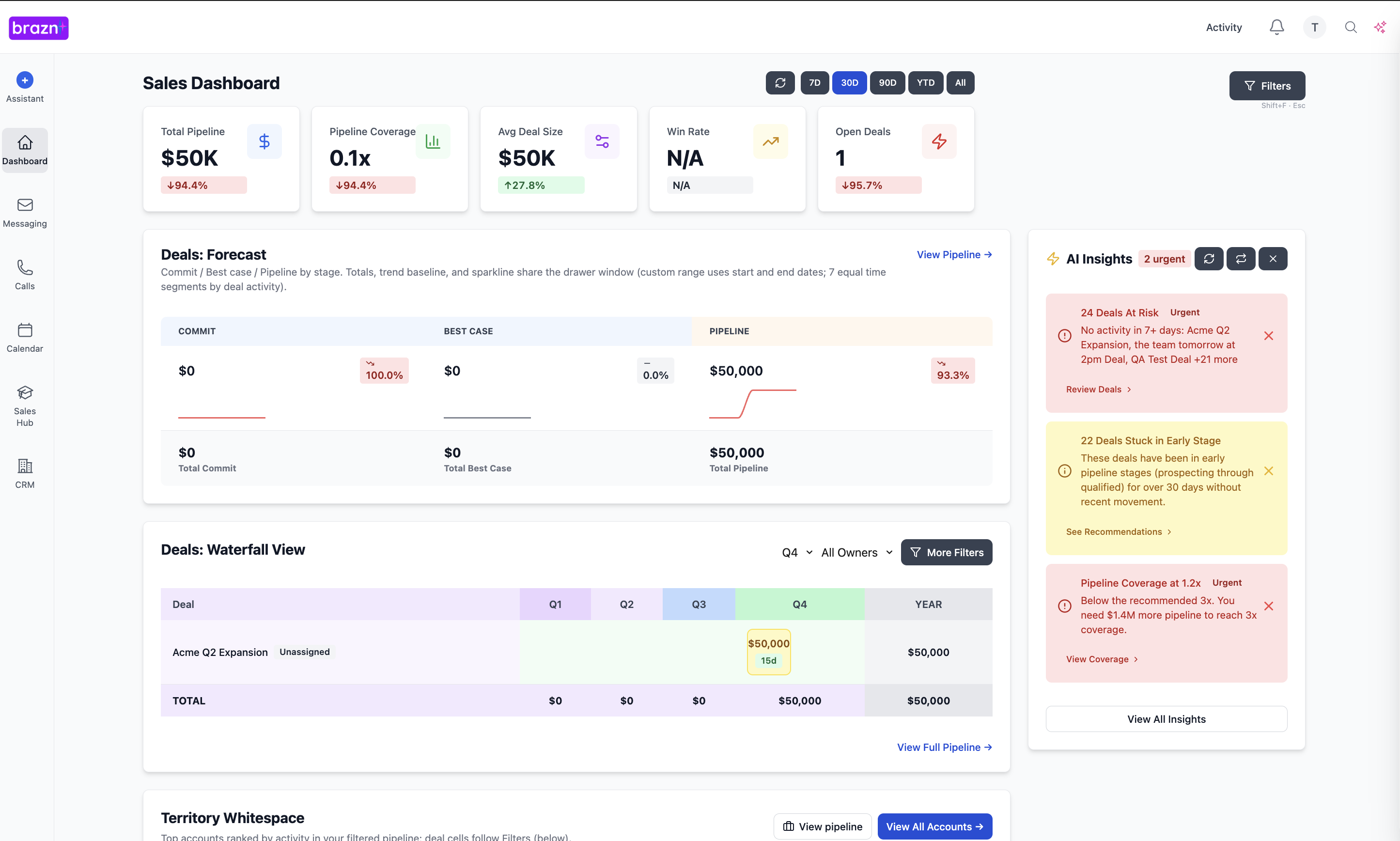
Start by auditing your current handoff process. Ask your AEs what information is consistently missing when they take a first call. Then, look for an AI tool that can automate the extraction of that specific data point. Ready to build a frictionless sales machine? See how Brazn's agentic platform orchestrates perfect handoffs.
Book a demo to see how Brazn AI fits into your sales stack.

About the Author
Alex Margarit, Sales AI Expert, SaaS Sales Leader, BMC, ServiceNow, Docusign — 25+ years in SaaS sales.