

The SaaS About Page Audit: 8 Fixes That Influence Buyers
When buyers evaluate B2B SaaS solutions, they don't just look at feature pages and pricing tiers; they look at the company behind the software. The "About Us" page is often one of the most highly trafficked pages on a SaaS website, yet it's frequently treated as an afterthought—a dumping ground for generic mission statements and stock photos of high-fiving employees.
The problem? a weak About page fails to build the trust and credibility necessary for complex, high-ticket sales. If a buyer can't understand who you are, what you stand for, and why you're uniquely qualified to solve their problem, they will hesitate to engage with your sales team.
This article provides a comprehensive audit for your SaaS About page. We will outline 8 specific, actionable fixes that transform this page from a corporate brochure into a powerful asset that influences buyers and accelerates the sales cycle.
What We'll Cover
In this article, we will cover:
- Why the About page is critical for B2B buyer trust
- The difference between a company-centric and buyer-centric narrative
- 8 specific fixes to audit and improve your About page
- How to showcase your team's expertise and authority
- Aligning the About page with your broader GTM positioning
Understanding the Approach
A "SaaS About Page Audit" is a strategic review of the company's narrative, leadership profiles, and proof points to ensure they align with the needs and anxieties of the target buyer. In a GTM context, it's about moving the focus from "Look how great we are" to "Here is why you can trust us to solve your complex problem."
Example: A poor About page says: "We are the leading provider of synergy-driven cloud solutions." A strong About page says: "We are a team of former supply chain operators who got frustrated by legacy software, so we built the tool we always wished we had. We help logistics teams cut costs by 20%."
Why This Matters
Optimizing the About page is a low-effort, high-impact marketing play that directly supports the sales team by establishing credibility before the first discovery call.
- Before: Buyers view the company as a faceless vendor, leading to skepticism and longer sales cycles. After: Buyers view the company as a team of trusted experts, accelerating rapport and deal momentum.
- Before: The company narrative is confusing and filled with jargon. After: The narrative is clear, relatable, and directly addresses the buyer's core problem.
- Before: The About page is a static afterthought. After: The About page is a dynamic asset that reinforces the company's unique positioning in the market.
The Complete Guide
H3 1. The 'Origin Story' Fix
Objective: Connect with the buyer through a shared understanding of their problem.
Actionable Advice: Replace the generic corporate history with a compelling origin story. Explain the specific frustration or market gap that led the founders to start the company. Make the buyer the hero of the story, with your company as the guide.
Best Practices: Keep it brief and relatable. Buyers don't care what year you incorporated; they care why you exist.
H3 2. The 'Jargon Eradication' Fix
Objective: Ensure the mission statement is easily understood by any visitor.
Actionable Advice: Audit the page for buzzwords (e.g., "synergy," "best-in-class," "disruptive"). Rewrite your mission and vision statements in plain English, explaining exactly what you do and who you do it for.
Best Practices: Use the "Grandma Test"—if your grandmother can't understand what your company does from the first paragraph, rewrite it.
H3 3. The 'Leadership Authority' Fix
Objective: Build trust by showcasing the expertise of your leadership team.
Actionable Advice: Don't just list names and titles. Include brief bios for your executive team that highlight their relevant industry experience and past successes. Show the buyer that your leaders have "been there and done that."
Best Practices: Include links to their LinkedIn profiles and any thought leadership articles they have published.
H3 4. The 'Customer Proof' Fix
Objective: Validate your claims with third-party credibility.
Actionable Advice: While you have a dedicated case study page, include a few high-impact logos or a strong customer quote directly on the About page. This provides immediate social proof that you're a trusted partner.
Best Practices: Choose logos or quotes from companies that represent your ideal customer profile (ICP).
H3 5. The 'Values in Action' Fix
Objective: Show, don't just tell, your company culture.
Actionable Advice: Instead of listing generic values like "Integrity" and "Innovation," describe how those values manifest in your daily operations or how they benefit the customer (e.g., "We default to transparency: We share our product roadmap publicly.").
Best Practices: Avoid cliché stock photos of teams pointing at whiteboards; use real photos of your team working or at company events.
How to Implement This
Marketing owns the content and design of the About page, but the narrative must be tightly aligned with Sales and Product.
Product Marketing should ensure the origin story aligns with the current product positioning. Sales Leadership should review the page to ensure it addresses the common objections or trust issues reps hear in the field. The About page is a collaborative asset that reflects the entire organization's GTM strategy.
Next Steps
Your About page isn't just a digital business card; it's a critical touchpoint in the buyer's journey. By auditing and fixing these 8 elements, you can build the trust and credibility necessary to win complex B2B deals.
Read your current About page today. Does it sound like a human wrote it, or a corporate committee? Pick one fix—like eradicating the jargon—and rewrite the first paragraph this week. Need help refining your GTM narrative? See how Brazn's insights can sharpen your messaging.
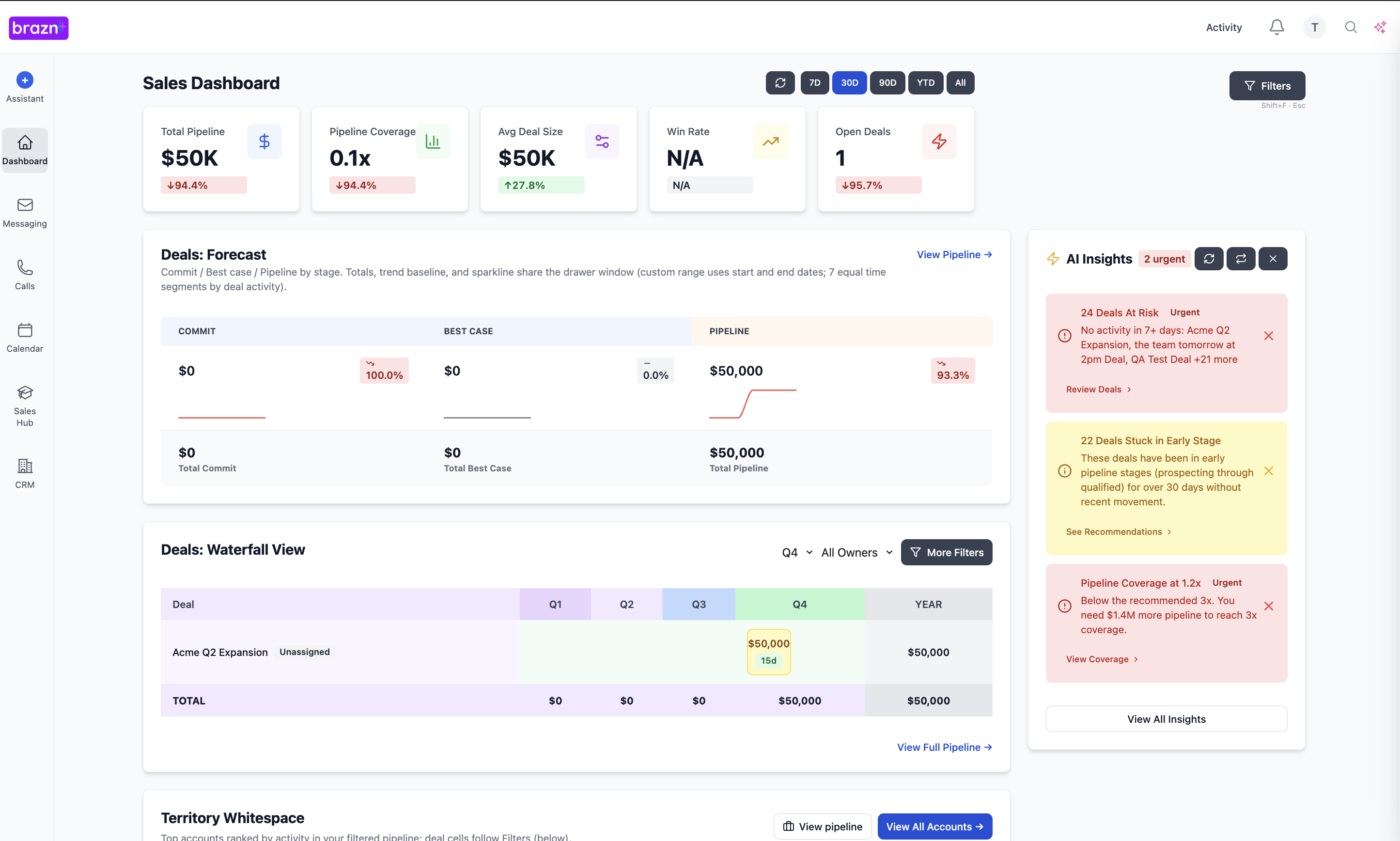
Book a demo to see how Brazn AI fits into your sales stack.

About the Author
Alex Margarit, Sales AI Expert, SaaS Sales Leader, BMC, ServiceNow, Docusign — 25+ years in SaaS sales.