The LinkedIn Operating Model for B2B Revenue Teams
Linkedin is no longer just a digital resume or a place to spam connections with generic pitches. For B2B revenue teams, it has become the primary battleground for attention, trust, and pipeline generation. The problem? most teams treat LinkedIn as an afterthought—a place for ad-hoc posting or sporadic InMail campaigns rather than a core, operationalized channel. This leads to wasted effort, low engagement, and missed opportunities to connect with buyers where they're already active.To succeed on LinkedIn today, revenue teams need a structured operating model. This means moving beyond random acts of social selling and implementing a systematic approach to profile optimization, content creation, and targeted engagement. This article provides a comprehensive blueprint for building a LinkedIn operating model that drives measurable pipeline.
What We'll Cover
In this article, we will cover:
- Why LinkedIn requires a structured operating model, not just ad-hoc effort
- The 3 pillars of the LinkedIn Operating Model: Profile, Content, and Engagement
- How to align Marketing, Sales, and Leadership on LinkedIn strategy
- Specific plays for AEs and SDRs to generate pipeline on LinkedIn
- How to measure the ROI of your LinkedIn efforts
Understanding the Approach
A 'LinkedIn Operating Model' is a formalized set of processes, guidelines, and metrics that dictate how a revenue team utilizes the platform to achieve GTM objectives. In the context of B2B SaaS, it shifts LinkedIn from a personal networking tool to a scalable, corporate-aligned channel for demand generation and social selling.
Example: Instead of reps occasionally sharing company blog posts, a LinkedIn Operating Model dictates that Marketing provides weekly 'content prompts,' reps spend 15 minutes daily commenting on target accounts' posts, and Leadership actively shares industry insights to build brand authority.
Why This Matters
Implementing a structured LinkedIn operating model is critical for cutting through the noise and building authentic relationships with modern B2B buyers.
- Before: Reps send generic, automated InMails that are ignored or marked as spam. After: Reps use personalized engagement strategies to build rapport before pitching, resulting in higher response rates.
- Before: Company content is only shared by the corporate page, reaching a limited audience. After: Employees are empowered to share and amplify content, exponentially increasing reach and engagement.
- Before: LinkedIn activity is untracked and disconnected from pipeline goals. After: Clear metrics and KPIs are established to measure the impact of social selling on revenue generation.
The Complete Guide
H3 Pillar 1: Profile Optimization
Objective: Transform LinkedIn profiles from resumes into buyer-centric landing pages.
Actionable Advice: Ensure all reps have a clear, professional headshot, a compelling headline that focuses on the value they provide (not just their job title), and an 'About' section that speaks directly to their target persona's pain points.
Best Practices: Include a clear Call to Action (CTA) in the 'Featured' section, such as a link to book a meeting or download a high-value resource.
H3 Pillar 2: Strategic Content Creation
Objective: Build authority and stay top-of-mind with target accounts.
Actionable Advice: Develop a content calendar that balances company news, industry insights, and personal stories. Encourage reps to share their unique perspectives on market trends or customer challenges.
Best Practices: Prioritize text-only posts and native video, as these formats tend to perform best in the LinkedIn algorithm.
H3 Pillar 3: Targeted Engagement
Objective: Proactively build relationships with key stakeholders at target accounts.
Actionable Advice: Implement a '15-minute daily engagement routine.' Reps should spend this time commenting thoughtfully on posts from prospects, industry influencers, and target companies.
Best Practices: Avoid generic comments like 'Great post!' Instead, add value by sharing a relevant insight or asking a thoughtful question.
How to Implement This
Operationalizing this model requires cross-functional alignment. Marketing should own the overall content strategy and provide reps with 'swipe files' and content prompts. Enablement must train reps on profile optimization and effective engagement techniques. Sales Leadership needs to model the desired behavior by actively participating on LinkedIn and holding reps accountable for their social selling metrics during 1:1s.
Next Steps
A successful LinkedIn strategy is built on consistency and authenticity, not automation and spam. By implementing a structured operating model, you can turn LinkedIn into a predictable, high-yielding channel for pipeline generation.
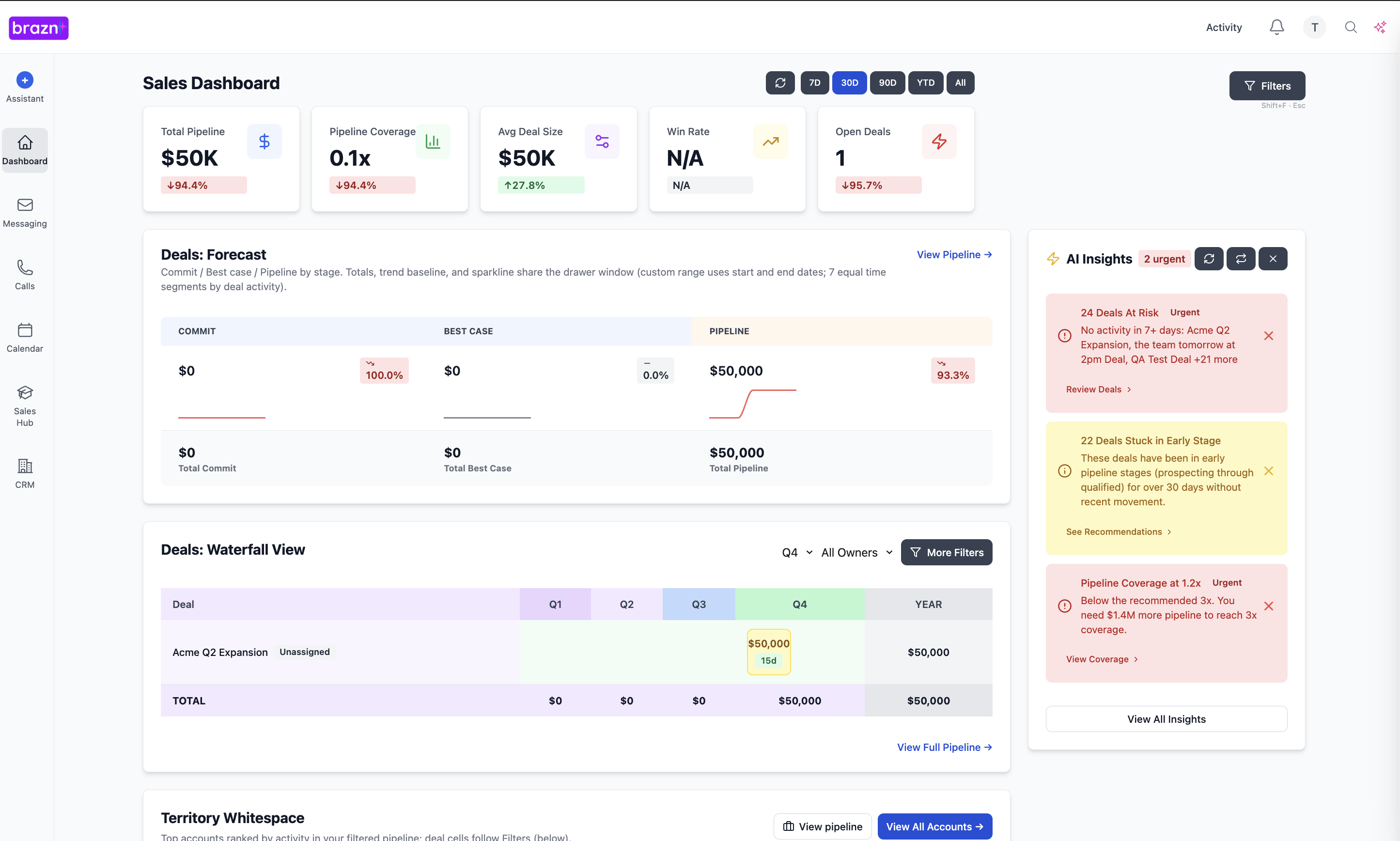
Start small: Have your team spend 15 minutes today optimizing their LinkedIn headlines to focus on the value they deliver to buyers. Ready to scale your social selling efforts? Discover how Brazn can help your team uncover actionable insights from LinkedIn data.
Book a demo to see how Brazn AI fits into your sales stack.

About the Author
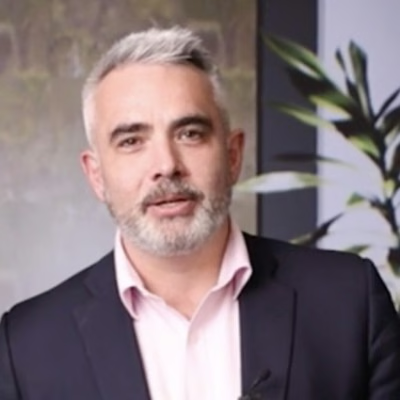
Alex Margarit, Sales AI Expert, SaaS Sales Leader, BMC, ServiceNow, Docusign — 25+ years in SaaS sales.