

The Difference Between a Tool, a Platform, and a System of Record
As tech stacks bloat and budgets tighten, RevOps teams are under immense pressure to justify every software purchase. The problem? we often use the terms "tool," "platform," and "system of record" interchangeably, leading to misaligned expectations, integration nightmares, and poor ROI. When a point solution is treated like a system of record, data silos multiply and workflows break down.
In this article, we will clarify these distinct software categories and provide a framework for evaluating your current tech stack. By understanding the difference, you can make smarter purchasing decisions and build a more cohesive, scalable revenue engine.
What We'll Cover
In this article, we will cover:
- The definitions of a Tool, a Platform, and a System of Record
- Why confusing these categories leads to tech bloat and data silos
- How to audit your current tech stack using this framework
- A strategy for consolidating your GTM architecture
Understanding the Approach
In the context of GTM architecture, a "Tool" is a point solution designed to solve a single, specific problem (e.g., an email verification app). A "Platform" is a suite of integrated tools that manage a broader workflow or department (e.g., a sales engagement platform). A "System of Record" is the single source of truth for critical business data (e.g., your CRM).
Example: A sales rep might use a video prospecting tool to record a message, send it via their sales engagement platform, and log the activity in their CRM, which serves as the system of record.
Why This Matters
Understanding these distinctions is critical for RevOps to build a scalable and cost-effective tech stack.
- Before: Teams buy overlapping tools that don't integrate well. After: Teams purchase platforms that consolidate workflows and reduce overall spend.
- Before: Data is scattered across multiple point solutions, making reporting impossible. After: All critical data flows into the system of record, enabling accurate forecasting.
- Before: Reps suffer from "app fatigue," constantly switching between tools. After: Reps work primarily within platforms, improving productivity and adoption.
The Complete Guide
1. The Point Solution Tool
Objective: Identify single-purpose applications in your stack.
Actionable Advice: Audit your tech stack for tools that only serve one function and evaluate if a broader platform already offers that capability.
Best Practices: Only purchase standalone tools for highly specialized tasks that platforms can't handle.
2. The Integrated Platform
Objective: Consolidate workflows into unified platforms.
Actionable Advice: Look for opportunities to replace multiple point solutions with a single platform that covers the entire workflow (e.g., moving from separate dialers and email tools to a unified sales engagement platform).
Best Practices: Ensure the platform integrates seamlessly with your system of record.
3. The System of Record
Objective: Establish a single source of truth for your data.
Actionable Advice: Mandate that all critical customer and revenue data must ultimately reside in your CRM.
Best Practices: Regularly audit data hygiene in your system of record to maintain its integrity and usefulness.
How to Implement This
RevOps should lead a comprehensive audit of the existing tech stack, categorizing every application as a tool, platform, or system of record. They must then establish clear guidelines for future purchases, ensuring that new additions fit logically into this architecture. Sales and Marketing leadership must support this effort by resisting the urge to buy "shiny new tools" that don't align with the broader strategy.
Next Steps
Building a scalable revenue engine requires a deliberate approach to your tech stack. By clearly defining tools, platforms, and systems of record, you can eliminate bloat, reduce data silos, and empower your team to work more efficiently.
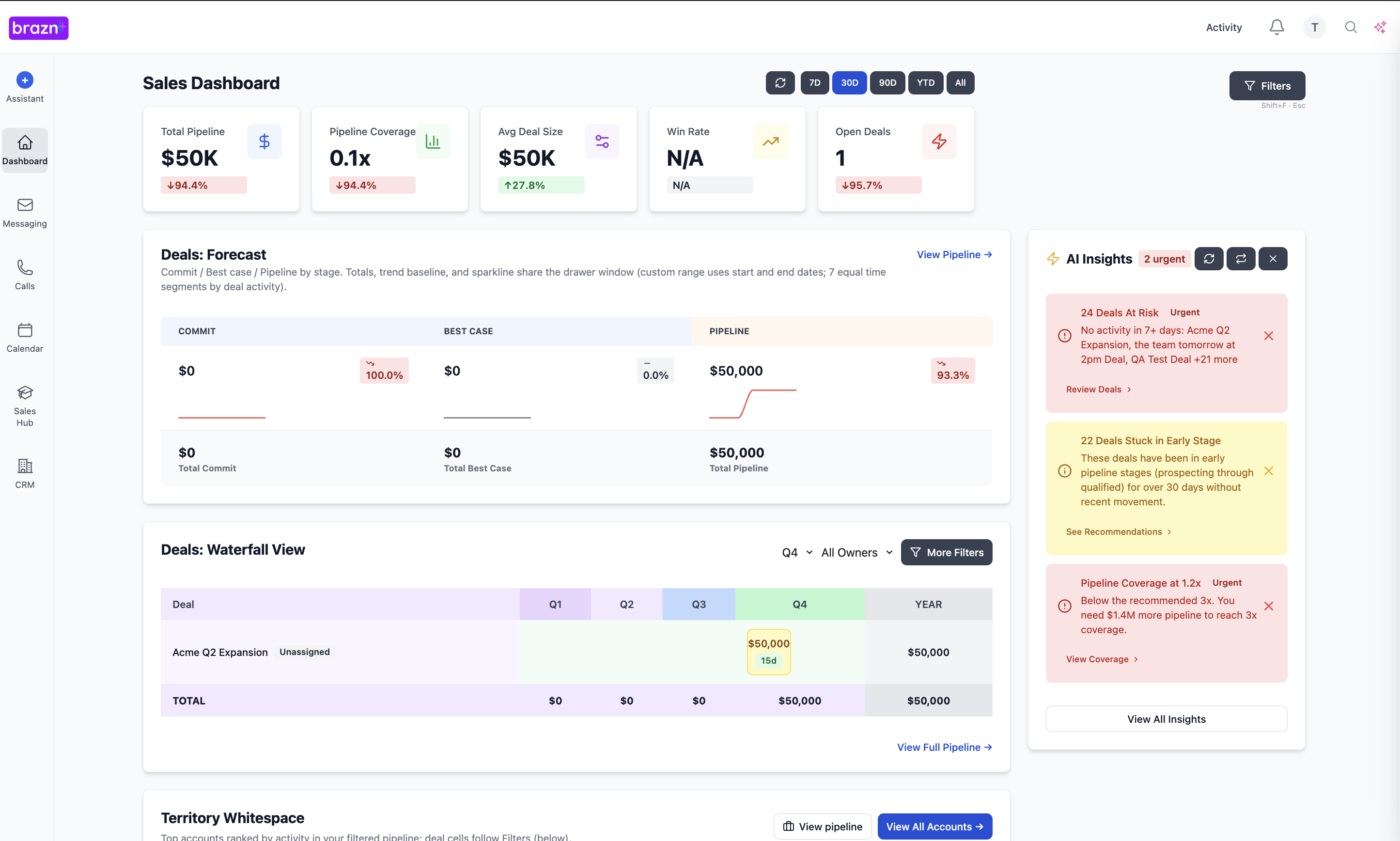
Start by identifying just one standalone tool in your stack that could be replaced by an existing platform. Ready to streamline your GTM architecture? See how Brazn's platform can consolidate your workflows.
Book a demo to see how Brazn AI fits into your sales stack.

About the Author

Alex Margarit, Sales AI Expert, SaaS Sales Leader, BMC, ServiceNow, Docusign — 25+ years in SaaS sales.