

The Cost of Letting Reps DIY Their Own GTM Workflows
In an effort to be "agile" and empower their teams, many sales organizations allow reps to build their own Go-to-Market workflows. Reps choose their own sequencing tools, write their own email templates, and manage their pipelines in personal spreadsheets. While this DIY approach feels empowering, it's secretly destroying the efficiency of the revenue engine.
The problem? a DIY culture creates a fragmented, unscalable, and unmeasurable sales motion. When 50 reps are running 50 different playbooks, RevOps can't track what is actually working, marketing can't ensure brand consistency, and leadership can't accurately forecast revenue.
This article exposes the hidden costs of letting reps DIY their GTM workflows. We will explain why standardizing your sales process—and enforcing that standardization through technology—is the only way to build a predictable, scalable revenue organization.
What We'll Cover
In this article, we will cover:
- The illusion of agility in a DIY sales culture
- The 4 hidden costs of fragmented GTM workflows
- Why "Top Performer Magic" rarely scales without structure
- How RevOps can standardize workflows without stifling creativity
- The role of AI in enforcing process adherence
Understanding the Approach
A "DIY GTM Workflow" occurs when individual reps or small teams design and execute their own sales processes outside of the company's centralized systems and approved methodologies. In a RevOps context, this is the definition of "Shadow IT" and "Shadow Process," which prevents the organization from gathering clean data or optimizing the funnel.
Example: Instead of using the company's approved, data-backed outbound sequence in the sales engagement platform, a rep uses a free Chrome extension to scrape emails and sends a generic, unapproved pitch from their personal Gmail account, completely bypassing the CRM.
Why This Matters
Eliminating DIY workflows is essential for achieving operational maturity. It transitions the sales team from a group of independent contractors into a cohesive, data-driven organization.
- Before: The company has no idea why some reps succeed and others fail because everyone is doing something different. After: The company has a clear, measurable playbook, allowing them to isolate variables and optimize the process.
- Before: Onboarding new reps takes months because they have to invent their own process. After: New reps ramp up quickly because they're handed a proven, standardized workflow.
- Before: CRM data is a mess, making forecasting impossible. After: Workflows are automated within the CRM, ensuring clean data and accurate reporting.
The Complete Guide
H3 1. The Cost of Unclean Data
Objective: Understand how DIY workflows destroy visibility.
Actionable Advice: If reps are managing their deals in personal spreadsheets or using unintegrated tools, your CRM is lying to you. Mandate that "if it's not in the CRM, it doesn't exist." RevOps must build workflows that make it easier for reps to work inside the CRM than outside of it.
Best Practices: Use AI to automate data entry (like call summarization) so reps don't feel the need to use outside tools for efficiency.
H3 2. The Cost of Brand Inconsistency
Objective: Protect the company's messaging and reputation.
Actionable Advice: Audit the email templates and pitch decks currently being used by the team. You will likely find outdated pricing, off-brand messaging, and spelling errors. Centralize all sales collateral and messaging templates in a single enablement platform, and strictly prohibit the use of "rogue" materials.
Best Practices: Allow reps to customize the first 20% of an email for personalization, but lock down the core value proposition.
H3 3. The Cost of Unscalable Success
Objective: Turn individual wins into organizational playbooks.
Actionable Advice: When a top performer has a great quarter, a DIY culture says, "Great job, keep doing what you're doing." A standardized culture says, "Let's analyze exactly what you did, codify it into a playbook, and train the rest of the team to execute it." RevOps must actively mine top performers for their best practices.
Best Practices: Use conversation intelligence to identify the specific talk tracks top performers use to handle objections, and build those into the team's battlecards.
H3 4. The Cost of Tech Stack Bloat
Objective: Eliminate redundant and unvetted software.
Actionable Advice: Run an audit of all the tools your reps are expensing or using for free. You will likely find 3 different sequencing tools, 4 different scheduling apps, and a dozen AI extensions. Consolidate the tech stack into a core set of enterprise-grade tools managed by RevOps.
Best Practices: Implement a strict Procurement policy: reps can't buy or expense their own software.
H3 5. The Standardization Strategy
Objective: Implement process without creating a mutiny.
Actionable Advice: Don't just dictate the new process from the top down. Involve your top performers in the design of the standardized workflows. If the workflow solves a real problem for the reps (e.g., reduces admin time), they will adopt it. If it only serves management's need for reporting, they will resist it.
Best Practices: Position standardization as a way to "raise the floor" for the whole team, not as a way to micromanage.
How to Implement This
RevOps is the enforcer of standardization. They must build the "paved road"—making the approved workflow the easiest and most efficient way for the rep to do their job.
Sales Leadership must provide the discipline. If a rep closes a deal but didn't follow the process or update the CRM, the manager must address the behavior, not just celebrate the win. Enablement must ensure the team is thoroughly trained on the approved workflows and understands the "why" behind the standardization.
Next Steps
You can't scale a revenue engine built on individual whims and fragmented processes. By eliminating DIY workflows and enforcing a standardized, data-driven approach, you gain the visibility and control necessary to drive predictable growth.
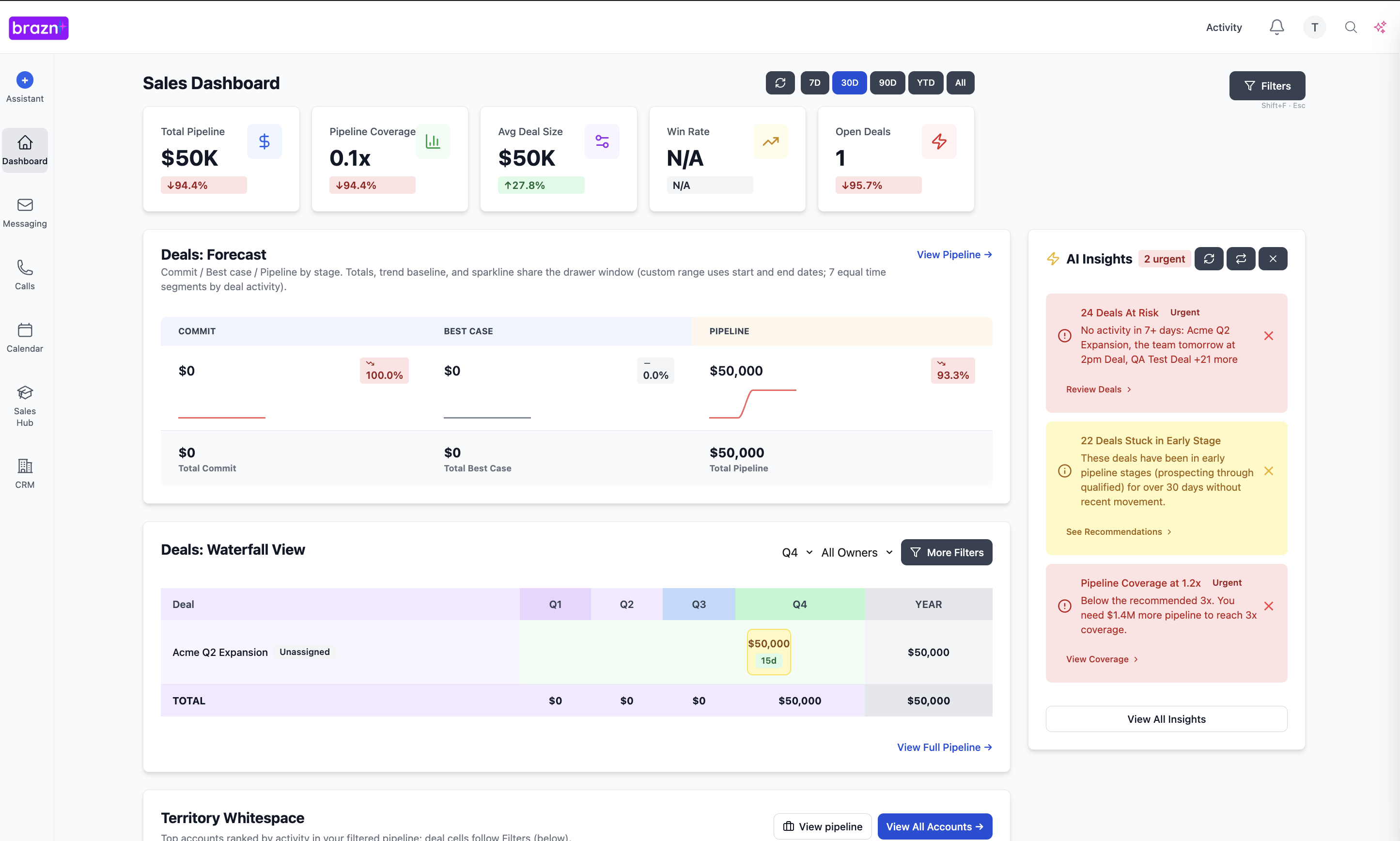
Audit your team's tech stack this week. Identify one "Shadow IT" tool that reps are using, understand why they're using it, and integrate that functionality into your core, approved workflow. Ready to standardize your GTM motion? See how Brazn's playbooks enforce best practices automatically.
Book a demo to see how Brazn AI fits into your sales stack.

About the Author

Alex Margarit, Sales AI Expert, SaaS Sales Leader, BMC, ServiceNow, Docusign — 25+ years in SaaS sales.