


The Cost of Fragmented GTM Data: Why Your Reps Don’t Trust Reports (and How to Fix It)
In today's data-driven sales environment, Go-to-Market (GTM) teams often face a paradoxical challenge: they're drowning in data but starved for actionable insights. When customer information is scattered across disparate systems—from CRMs and marketing automation platforms to customer success tools—the resulting fragmented data creates a breeding ground for mistrust. Sales reps find themselves questioning the accuracy of their reports, leading to wasted time verifying numbers rather than engaging with prospects.
This lack of trust in data isn't just an administrative annoyance; it's a silent killer of pipeline velocity and revenue growth. When reps abandon system-generated reports in favor of their own offline spreadsheets, forecasting becomes a guessing game and strategic alignment unravels.
In this article, we'll explore the hidden costs of fragmented GTM data and provide a clear, actionable playbook for RevOps leaders to rebuild trust. By implementing the strategies outlined below, you can transform your data from a source of friction into a reliable foundation for revenue growth.
What We'll Cover
In this article, we will cover:
- The true cost of fragmented data on sales performance
- Why sales reps lose trust in system-generated reports
- 4 strategies to unify GTM data and restore confidence
- How to operationalize data hygiene across your tech stack
Understanding the Approach
Fragmented GTM data occurs when customer information, interactions, and insights are siloed across disconnected systems within a company's technology stack. In a Go-to-Market context, this means marketing, sales, and customer success teams are operating from different playbooks, leading to a disjointed customer experience and inaccurate reporting.
For example, if a prospect engages heavily with a marketing campaign (tracked in HubSpot) but that intent data doesn't seamlessly sync to the CRM (Salesforce) where the Account Executive lives, the AE enters the conversation blind. This fragmentation forces reps to piece together the narrative manually, eroding their trust in the CRM as the single source of truth.
Why This Matters
Addressing fragmented data is critical for revenue teams because it directly impacts sales efficiency, forecasting accuracy, and overall morale.
- Before: Reps spend hours each week manually cross-referencing data between tools to prepare for calls. After: Unified data provides instant, reliable context, allowing reps to focus on selling.
- Before: Leadership struggles with inaccurate forecasts due to reps maintaining private spreadsheets. After: A trusted CRM becomes the single source of truth, enabling predictable revenue forecasting.
- Before: Marketing and sales point fingers over lead quality and attribution. After: Shared data models foster alignment and accountability across the entire GTM motion.
The Complete Guide
H3 Strategy 1: Establish a Single Source of Truth
Objective: Define which system holds the master record for key data points to eliminate conflicting information.
Advice: Conduct a data audit to map out where customer data originates and where it flows. Designate your CRM as the central hub and ensure all other tools push critical updates to it.
Best Practices: Implement strict rules for data entry and restrict the ability to create custom fields without RevOps approval.
H3 Strategy 2: Automate Data Enrichment and Cleansing
Objective: Remove the manual burden of data entry from reps to improve accuracy and completeness.
Advice: Integrate third-party data enrichment tools (e.g., Clearbit, ZoomInfo) directly into your CRM to automatically append missing firmographic and contact details.
Best Practices: Set up automated deduplication rules to run weekly, preventing the buildup of messy, overlapping records.
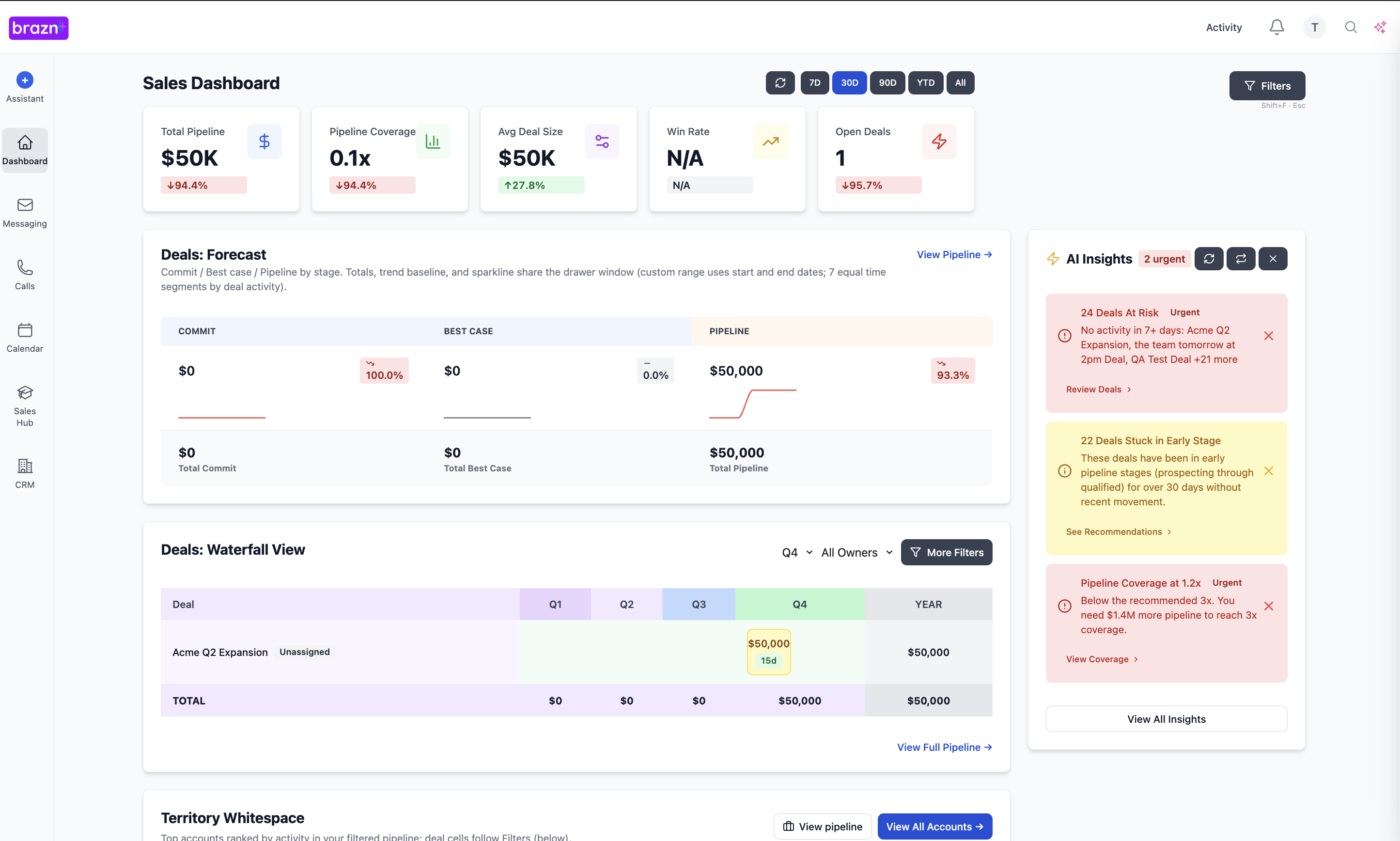
H3 Strategy 3: Create Role-Specific, Actionable Dashboards
Objective: Deliver relevant insights to reps in a format they can immediately use, rather than overwhelming them with raw data.
Advice: Build customized dashboards for SDRs, AEs, and CS managers that highlight only the KPIs and actionable signals relevant to their daily workflows.
Best Practices: Involve top-performing reps in the dashboard design process to ensure the metrics displayed align with their actual needs.
H3 Strategy 4: Implement a 'Data Feedback Loop'
Objective: Empower reps to easily report data inaccuracies and see them resolved quickly, rebuilding trust in the system.
Advice: Create a simple, frictionless process (e.g., a dedicated Slack channel or a quick CRM button) for reps to flag bad data. Ensure RevOps acknowledges and fixes these issues within a defined SLA.
Best Practices: Publicly celebrate reps who consistently flag data issues, framing it as a contribution to the team's success rather than a complaint.
How to Implement This
Operationalizing a unified data strategy requires RevOps to take the helm as the architect of the GTM tech stack. Begin by integrating core systems (CRM, marketing automation, sales engagement) using robust middleware or native connectors to ensure bidirectional data flow. Establish a data governance committee, led by RevOps and including stakeholders from Sales and Marketing, to define standard operating procedures for data entry and maintenance. Enablement should then train the sales team not just on how to use the tools, but on the 'why' behind data hygiene, emphasizing how clean data directly benefits their commission checks.
Next Steps
Rebuilding trust in your GTM data isn't an overnight fix, but it's a necessary foundation for scaling any revenue organization. By moving away from fragmented systems and towards a unified, reliable single source of truth, you empower your reps to sell with confidence rather than second-guessing their reports.
Don't try to boil the ocean. Start this week by auditing just one critical data handoff—such as the lead routing from marketing to sales—and fixing any leaks. Small, consistent improvements in data hygiene will quickly compound into a more efficient and trusting sales floor.
Book a demo to see how Brazn AI fits into your sales stack.

About the Author

Alex Margarit, Sales AI Expert, SaaS Sales Leader, BMC, ServiceNow, Docusign — 25+ years in SaaS sales.