How to Do Account Research Before a Sales Call: The SaaS Playbook
The difference between a mediocre discovery call and a great one is almost always in the preparation. A rep who has researched the account understands the context before the prospect explains it, asks questions that demonstrate genuine understanding, and spends call time advancing qualification rather than collecting basic information the rep should already have.
Pre-call research used to be a 30–60 minute manual process per account. AI has changed that — compressing high-quality research to under five minutes for most accounts. But knowing what to research, where to find it, and how to use it in the call remains a skill that separates good reps from great ones.
The Five Research Categories
Category 1: Company contextThe essential baseline — what the company does, who they sell to, how big they are, and what stage they're at. This should take two minutes and never need to be asked on the call.
Sources:
Company website (homepage, About, product pages)
LinkedIn company page (employee count, growth trend, recent posts)CrunchBase or PitchBook (funding history, investors)
Recent news (Google "[Company] news" — last 90 days)
What to capture: Size, product, primary market, funding status, recent news or announcements.
Category 2: Recent company events and triggersWhat has happened at the company recently that is relevant to your call? This is the research that produces the specific opening line that makes a discovery call feel genuinely prepared.
Sources:
LinkedIn company page: recent posts, announcements, job posting patterns
News search: funding announcements, product launches, leadership changes, market expansion
Job boards: current open roles signal strategic direction (heavy SDR hiring signals outbound investment; RevOps hiring signals process maturity investment)
G2 or Capterra: recent reviews of their current tools can reveal dissatisfaction signals
What to capture: The most recent, relevant event that connects to your product's value proposition.
Category 3: Stakeholder intelligenceWho are you meeting with? What is their professional history, what have they publicly said or written, and what does their role tell you about their priorities? (Stakeholder)
Sources:
LinkedIn profile: current role, tenure, career history, recent posts, shared content
Company website: leadership bio if they're senior
Twitter/X: some executives are active and share their views publicly
Mutual connections: can provide warm context
What to capture: Role tenure (new = often evaluating), professional history (previous companies may be your customers), recent public statements on topics relevant to your call, and any mutual connections you can reference.
Category 4: Deal history (for follow-up calls)What has already happened in this deal? What did the prospect say in previous calls? What MEDDPICC elements are established and which are missing?
Sources: Brazn's deal summary and MEDDPICC tracker, CRM notes and activity history, previous call recordings.
What to capture: Current MEDDPICC status, qualification gaps to address in this call, previous commitments made by both sides, and any risk signals from prior interactions.
Category 5: Competitive landscapeIs there a competitor in this deal? What do you know about their evaluation of alternatives?
Sources: CRM notes from prior calls, Brazn's competitive mention detection, LinkedIn (the prospect may follow competitor accounts or have engaged with competitor content).
What to capture: Which competitors are in play, what the prospect has said about them, and which battle card plays are most relevant.
The AI-Accelerated Research Workflow
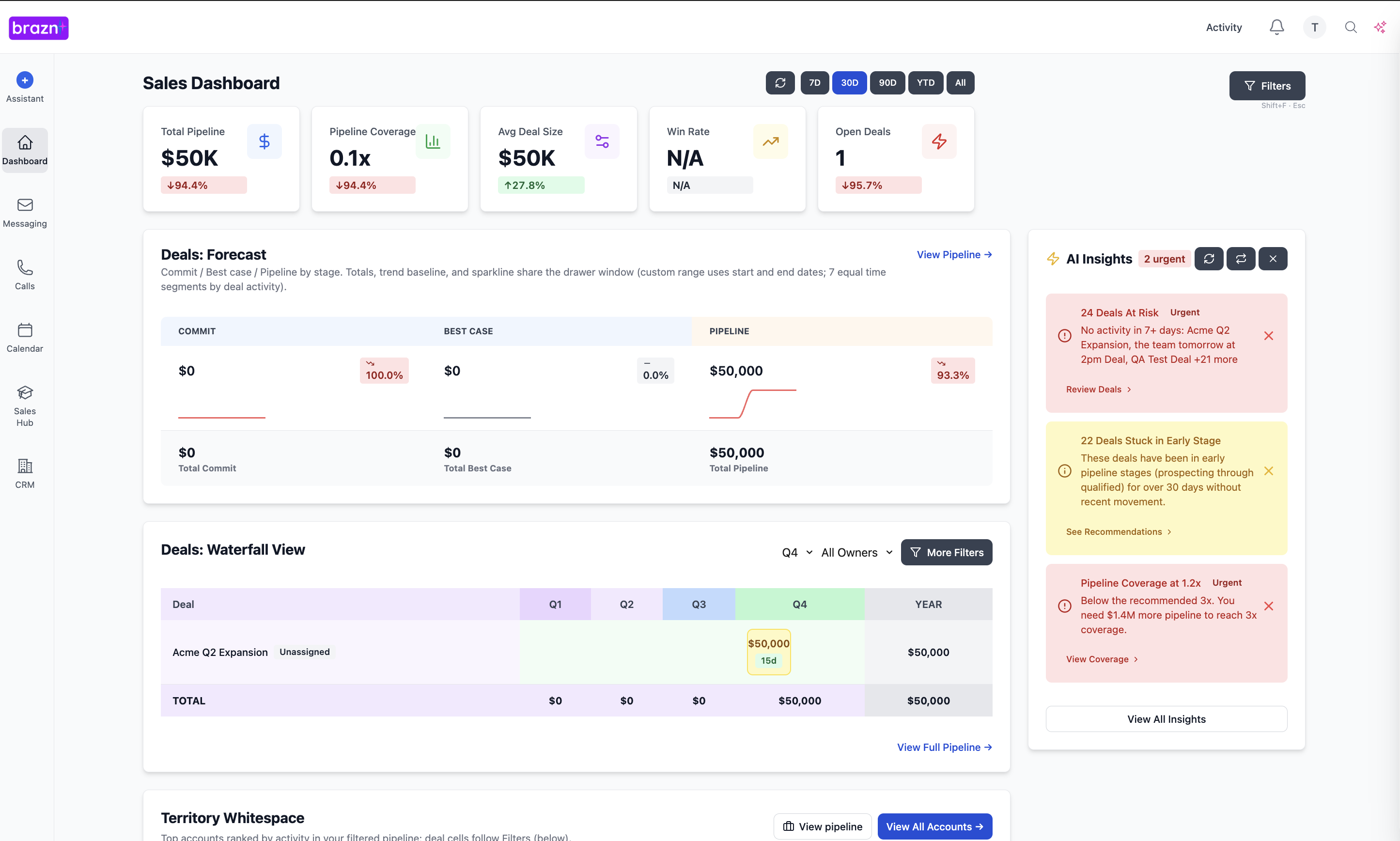
Brazn's pre-call brief automates the majority of this research — aggregating company signals, stakeholder context, MEDDPICC status, and qualification gap identification into a structured brief delivered before every scheduled call. What used to take 45 minutes takes 90 seconds to review.
For first calls where Brazn's account history is limited, supplement with:
2 minutes on LinkedIn (prospect's profile + company page)
2 minutes on recent news
1 minute on job postings for strategic direction signals
Total research time for a well-prepared first call: 5–8 minutes, not 45.
Converting Research into Call Strategy
Research is only valuable if it translates into a call strategy. Before every call, answer three questions:
What is the one thing I want to learn from this call? The specific MEDDPICC element most critical to advance at this stage. Don't go into a call without a primary qualification objective. What is the specific opening that will demonstrate I've done my homework? The research-based observation that shows genuine awareness of the prospect's context — without being creepy or performative about it. What is the one risk I need to address in this call? The specific gap in the deal's qualification profile — the thing most likely to prevent this deal from closing if it's not addressed.With those three questions answered, the call has direction before it starts.
---
####
Book a demo to see how Brazn AI fits into your sales stack.

About the Author
Alex Margarit, Sales AI Expert, SaaS Sales Leader, BMC, ServiceNow, Docusign — 25+ years in SaaS sales.