

Content: # How to Become an AI-First Revenue Organisation Without Breaking Your GTM
The promise of AI in revenue organizations is intoxicating: automated prospecting, perfectly crafted emails, and predictive forecasting. However, the rush to become "AI-First" often leads to a fragmented Go-to-Market (GTM) motion. Teams bolt on new AI tools without a cohesive strategy, resulting in overwhelmed reps, confused buyers receiving robotic outreach, and a tech stack that resembles a tangled mess of wires rather than a streamlined engine.
Becoming an AI-First revenue organization isn't about buying the most tools; it's about fundamentally redesigning your workflows to leverage AI where it adds value, while fiercely protecting the human elements that build trust. This article provides a blueprint for integrating AI into your GTM strategy thoughtfully, ensuring you boost efficiency without breaking the customer experience or your existing processes.
What We'll Cover
In this article, we will cover:
- The difference between "AI-Bolted-On" and "AI-First" GTM strategies
- Why poor AI implementation breaks the buyer journey
- 5 foundational steps to build an AI-First revenue organization
- How RevOps must evolve to govern an AI-powered tech stack
Understanding the Approach
An AI-First GTM strategy means that artificial intelligence is treated as a core architectural layer of your revenue engine, not just a feature of individual tools. It involves using AI to process data, surface insights, and automate routine tasks, thereby elevating the role of the human rep to focus on complex problem-solving and relationship building.
For example, instead of a rep using an AI writing tool to generate a generic cold email (which often sounds like a bot), an AI-First approach uses AI to analyze a prospect's recent 10-K filing, identify a specific strategic initiative, and surface a highly relevant "hook" within the CRM. The rep then uses their human intuition to craft a personalized message around that hook, combining AI's analytical power with human empathy.
Why This Matters
Transitioning to an AI-First model correctly is critical for maintaining a competitive edge. It allows revenue teams to scale personalized outreach, improve forecast accuracy, and significantly increase rep capacity without sacrificing quality.
- Before: Reps spend 30% of their time researching accounts and drafting emails, limiting their active selling time. After: AI automates the research and surfaces relevant insights, allowing reps to double their daily outreach volume while increasing personalization.
- Before: Forecasting is based on rep intuition and subjective CRM updates, leading to unpredictable revenue. After: AI analyzes historical win rates and real-time deal engagement signals to provide an objective, highly accurate forecast.
- Before: Sales coaching is reactive, relying on managers randomly reviewing a fraction of call recordings. After: AI analyzes 100% of calls, instantly flagging missed objections or pricing missteps for targeted, immediate coaching.
The Complete Guide
Strategy 1: Audit and Consolidate Your Data Foundation
Objective: Ensure your AI tools have access to clean, unified data to prevent "garbage in, garbage out" scenarios.
Advice: Before buying new AI tools, RevOps must audit the CRM. Eliminate duplicate fields, enforce strict data entry rules, and ensure seamless integration between marketing, sales, and CS platforms.
Best Practices: AI is only as smart as the data it trains on. Prioritize data hygiene over shiny new features.
Strategy 2: Map the "Human vs. Machine" Touchpoints
Objective: Define clearly where AI should automate and where human empathy is non-negotiable.
Advice: Map your entire buyer journey. Assign AI to data-heavy tasks (e.g., lead scoring, account research, summarizing call notes) and assign humans to high-trust tasks (e.g., discovery, negotiation, closing).
Best Practices: Never use AI to fully automate late-stage deal communications. Buyers want to negotiate with people, not algorithms.
Strategy 3: Deploy AI for "Just-in-Time" Enablement
Objective: Equip reps with the right information exactly when they need it, reducing cognitive load.
Advice: Implement AI tools that listen to live sales calls and automatically surface relevant battlecards, pricing sheets, or technical documentation based on the prospect's questions.
Best Practices: Ensure the content surfaced by the AI is concise and easily scannable so reps don't get distracted during the call.
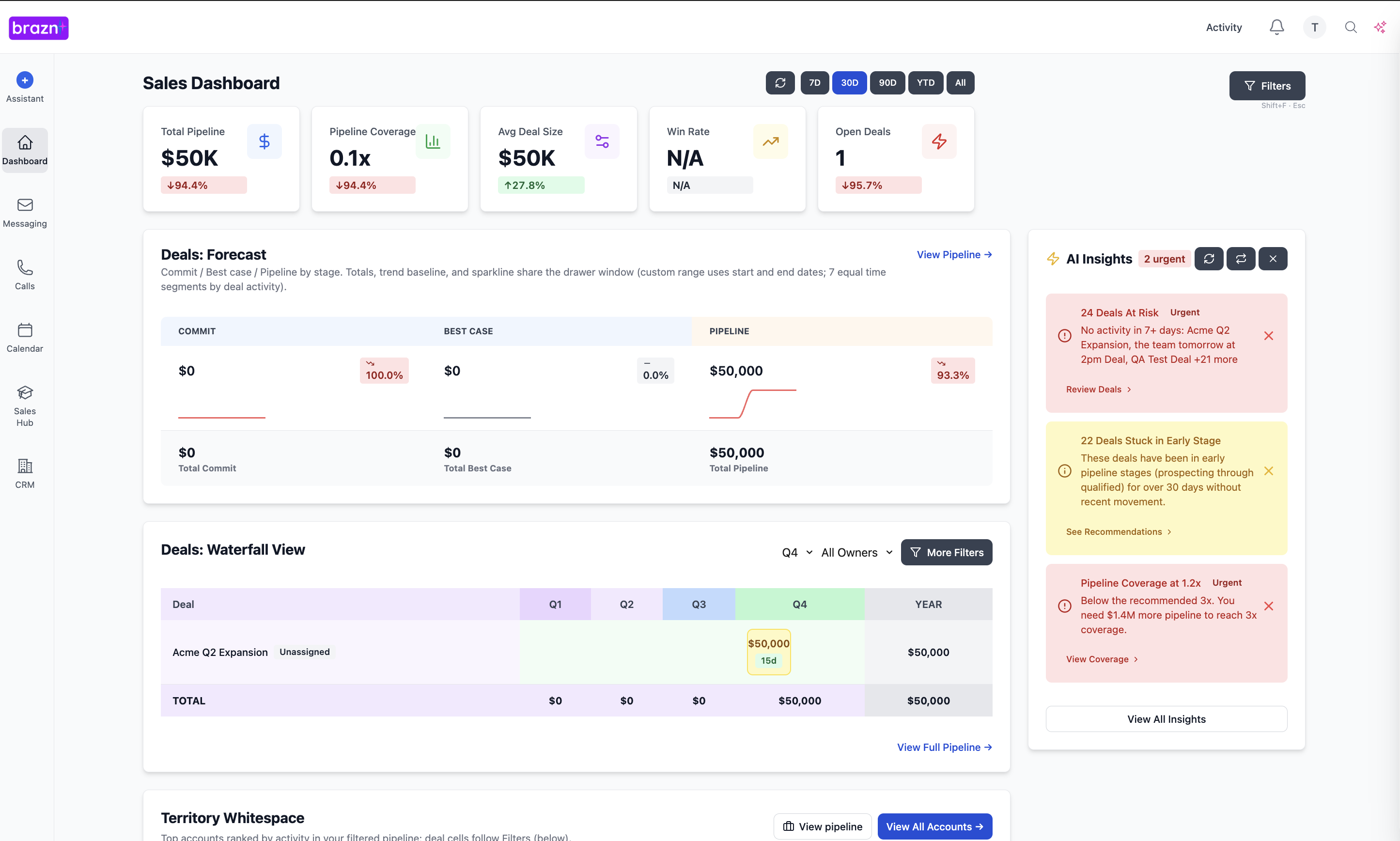
Strategy 4: Implement AI-Driven Pipeline Risk Detection
Objective: Identify stalled or at-risk deals before they impact the forecast.
Advice: Use AI to analyze engagement signals (e.g., time since last email reply, sentiment of responses, number of stakeholders engaged) and automatically flag deals that are decaying.
Best Practices: Set up automated alerts that notify both the rep and the manager when a high-value deal exhibits risk signals.
Strategy 5: Establish an "AI Sandbox" for Continuous Testing
Objective: Safely experiment with new AI capabilities without disrupting the core GTM motion.
Advice: Create a small tiger team of top-performing reps to test new AI prompts, tools, or workflows in a controlled environment before rolling them out to the entire floor.
Best Practices: Measure the success of the sandbox not just by efficiency gains, but by the impact on conversion rates and buyer feedback.
How to Implement This
RevOps must transform into "AI Ops." They are no longer just managing software licenses; they're responsible for the logic, prompts, and data flows that power the AI. RevOps must establish strict governance to ensure AI tools comply with data privacy regulations and that the automated messaging aligns with the brand voice.
Enablement is responsible for training the team not just on how to click the buttons, but on how to "prompt" effectively and interpret AI-generated insights. Sales Leadership must manage the cultural shift, reassuring reps that AI is a tool to augment their skills, not replace their jobs, and holding them accountable for using the AI to drive better outcomes, not just more activity.
Next Steps
Becoming an AI-First revenue organization is a strategic transformation, not a software purchase. By focusing on data hygiene, clearly defining the boundaries between human and machine tasks, and deploying AI to empower rather than replace your reps, you can build a scalable, highly efficient GTM engine.
Don't rush to automate everything. Start this week by mapping your buyer journey and identifying just one administrative bottleneck—like pre-call research or post-call data entry—that AI can solve. Implement a solution for that single friction point, measure the impact, and build your AI strategy incrementally from there.
How to Become an AI-First Revenue Organisation Without Breaking Your GTM
The promise of AI in revenue organizations is intoxicating: automated prospecting, perfectly crafted emails, and predictive forecasting. However, the rush to become "AI-First" often leads to a fragmented Go-to-Market (GTM) motion. Teams bolt on new AI tools without a cohesive strategy, resulting in overwhelmed reps, confused buyers receiving robotic outreach, and a tech stack that resembles a tangled mess of wires rather than a streamlined engine.
Becoming an AI-First revenue organization isn't about buying the most tools; it's about fundamentally redesigning your workflows to leverage AI where it adds value, while fiercely protecting the human elements that build trust. This article provides a blueprint for integrating AI into your GTM strategy thoughtfully, ensuring you boost efficiency without breaking the customer experience or your existing processes.
What We'll Cover
In this article, we will cover:
- The difference between "AI-Bolted-On" and "AI-First" GTM strategies
- Why poor AI implementation breaks the buyer journey
- 5 foundational steps to build an AI-First revenue organization
- How RevOps must evolve to govern an AI-powered tech stack
Understanding the Approach
An AI-First GTM strategy means that artificial intelligence is treated as a core architectural layer of your revenue engine, not just a feature of individual tools. It involves using AI to process data, surface insights, and automate routine tasks, thereby elevating the role of the human rep to focus on complex problem-solving and relationship building.
For example, instead of a rep using an AI writing tool to generate a generic cold email (which often sounds like a bot), an AI-First approach uses AI to analyze a prospect's recent 10-K filing, identify a specific strategic initiative, and surface a highly relevant "hook" within the CRM. The rep then uses their human intuition to craft a personalized message around that hook, combining AI's analytical power with human empathy.
Why This Matters
Transitioning to an AI-First model correctly is critical for maintaining a competitive edge. It allows revenue teams to scale personalized outreach, improve forecast accuracy, and significantly increase rep capacity without sacrificing quality.
- Before: Reps spend 30% of their time researching accounts and drafting emails, limiting their active selling time. After: AI automates the research and surfaces relevant insights, allowing reps to double their daily outreach volume while increasing personalization.
- Before: Forecasting is based on rep intuition and subjective CRM updates, leading to unpredictable revenue. After: AI analyzes historical win rates and real-time deal engagement signals to provide an objective, highly accurate forecast.
- Before: Sales coaching is reactive, relying on managers randomly reviewing a fraction of call recordings. After: AI analyzes 100% of calls, instantly flagging missed objections or pricing missteps for targeted, immediate coaching.
The Complete Guide
Strategy 1: Audit and Consolidate Your Data Foundation
Objective: Ensure your AI tools have access to clean, unified data to prevent "garbage in, garbage out" scenarios.
Advice: Before buying new AI tools, RevOps must audit the CRM. Eliminate duplicate fields, enforce strict data entry rules, and ensure seamless integration between marketing, sales, and CS platforms.
Best Practices: AI is only as smart as the data it trains on. Prioritize data hygiene over shiny new features.
Strategy 2: Map the "Human vs. Machine" Touchpoints
Objective: Define clearly where AI should automate and where human empathy is non-negotiable.
Advice: Map your entire buyer journey. Assign AI to data-heavy tasks (e.g., lead scoring, account research, summarizing call notes) and assign humans to high-trust tasks (e.g., discovery, negotiation, closing).
Best Practices: Never use AI to fully automate late-stage deal communications. Buyers want to negotiate with people, not algorithms.
Strategy 3: Deploy AI for "Just-in-Time" Enablement
Objective: Equip reps with the right information exactly when they need it, reducing cognitive load.
Advice: Implement AI tools that listen to live sales calls and automatically surface relevant battlecards, pricing sheets, or technical documentation based on the prospect's questions.
Best Practices: Ensure the content surfaced by the AI is concise and easily scannable so reps don't get distracted during the call.
Strategy 4: Implement AI-Driven Pipeline Risk Detection
Objective: Identify stalled or at-risk deals before they impact the forecast.
Advice: Use AI to analyze engagement signals (e.g., time since last email reply, sentiment of responses, number of stakeholders engaged) and automatically flag deals that are decaying.
Best Practices: Set up automated alerts that notify both the rep and the manager when a high-value deal exhibits risk signals.
Strategy 5: Establish an "AI Sandbox" for Continuous Testing
Objective: Safely experiment with new AI capabilities without disrupting the core GTM motion.
Advice: Create a small tiger team of top-performing reps to test new AI prompts, tools, or workflows in a controlled environment before rolling them out to the entire floor.
Best Practices: Measure the success of the sandbox not just by efficiency gains, but by the impact on conversion rates and buyer feedback.
How to Implement This
RevOps must transform into "AI Ops." They are no longer just managing software licenses; they're responsible for the logic, prompts, and data flows that power the AI. RevOps must establish strict governance to ensure AI tools comply with data privacy regulations and that the automated messaging aligns with the brand voice.
Enablement is responsible for training the team not just on how to click the buttons, but on how to "prompt" effectively and interpret AI-generated insights. Sales Leadership must manage the cultural shift, reassuring reps that AI is a tool to augment their skills, not replace their jobs, and holding them accountable for using the AI to drive better outcomes, not just more activity.
Next Steps
Becoming an AI-First revenue organization is a strategic transformation, not a software purchase. By focusing on data hygiene, clearly defining the boundaries between human and machine tasks, and deploying AI to empower rather than replace your reps, you can build a scalable, highly efficient GTM engine.
Don't rush to automate everything. Start this week by mapping your buyer journey and identifying just one administrative bottleneck—like pre-call research or post-call data entry—that AI can solve. Implement a solution for that single friction point, measure the impact, and build your AI strategy incrementally from there.
---
####
Book a demo to see how Brazn AI fits into your sales stack.

About the Author

Alex Margarit, Sales AI Expert, SaaS Sales Leader, BMC, ServiceNow, Docusign — 25+ years in SaaS sales.