

Content: # How Industrial Leaders Use AI Assistants to Orchestrate Complex Enterprise Deals
Industrial and manufacturing sales involve massive deal sizes, complex supply chains, and buying committees of 10+ people. Navigating these deals manually is a logistical nightmare.
This article reveals how forward-thinking industrial leaders are using AI assistants to orchestrate these complex enterprise deals, ensuring no detail is missed and every stakeholder is managed effectively.
What We'll Cover
In this article, we will cover:
- The unique complexities of industrial enterprise sales
- How AI acts as a central deal orchestrator
- 3 ways AI assistants manage complex buying committees
- The impact on deal velocity and win rates
Understanding the Approach
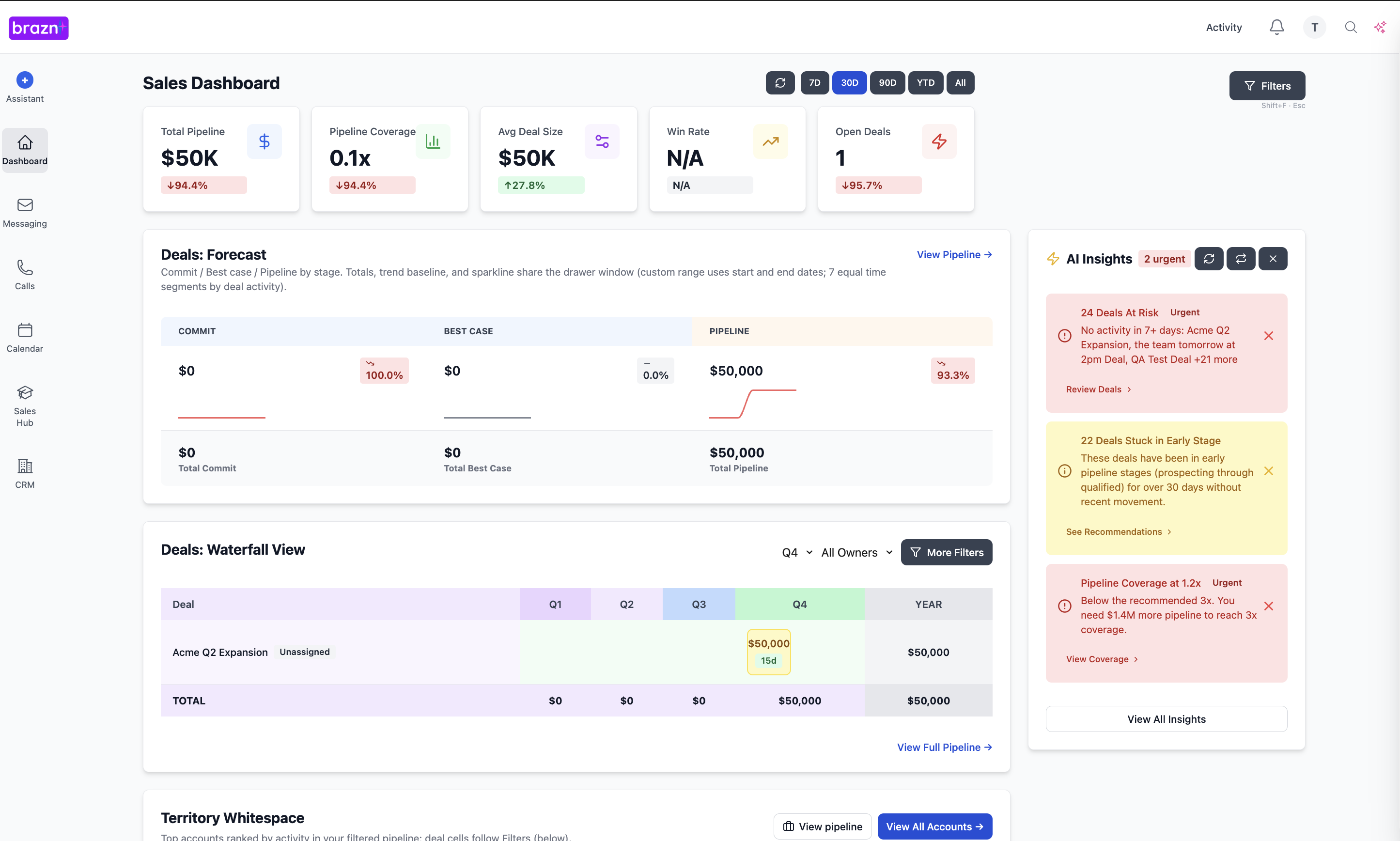
In complex sales, an AI assistant acts as a project manager for the deal. It analyzes all communications across the buying committee, identifies missing stakeholders, tracks technical requirements, and automatically generates the necessary documentation (proposals, compliance forms) based on the specific parameters of the deal.
Example: An AE is selling a fleet management solution to a logistics company. The AI assistant notes that while the VP of Operations is engaged, the IT Security Director hasn't been included in the last three emails. The AI alerts the AE and drafts an email specifically addressing the security requirements, prompting the AE to send it to the IT Director.
Why This Matters
This orchestration prevents deals from stalling due to administrative oversights or unengaged stakeholders.
- Before: Deals drag on for 18 months because critical technical requirements are discovered late in the process. After: AI surfaces technical requirements early, accelerating the cycle.
- Before: AEs lose track of who said what across a 12-person buying committee. After: AI provides a centralized, real-time summary of every stakeholder's sentiment and concerns.
The Complete Guide
Play 1: Automated Stakeholder Mapping
Objective: Ensure all decision-makers are engaged.
Actionable Advice: Use AI to analyze email threads and calendar invites to automatically build a map of the buying committee. Have the AI flag if a required persona (e.g., Procurement) is missing.
Best Practices: Cross-reference this map with the target company's organizational chart (via LinkedIn or ZoomInfo).
Play 2: Requirement Extraction and Tracking
Objective: Prevent scope creep and missed deliverables.
Actionable Advice: Deploy conversational AI to listen to technical discovery calls and automatically extract every specific requirement or compliance standard mentioned by the buyer, adding them to a centralized deal checklist.
Best Practices: Ensure the Sales Engineering team has access to this checklist to guide their custom demos.
Play 3: AI-Assisted Proposal Generation
Objective: Speed up the final stages of the deal.
Actionable Advice: Use generative AI to draft complex proposals. The AI can pull the specific requirements extracted during discovery, match them with the appropriate product modules, and format the document according to the buyer's RFP guidelines.
Best Practices: Always have a human Deal Desk or Legal professional review the final proposal.
How to Implement This
The Enterprise AE is the primary user, leveraging the AI to manage the complexity of their deals. RevOps must configure the AI to understand the specific stages and requirements of the industrial sales motion. Sales Engineering must collaborate with the AI to ensure technical accuracy in proposals.
Next Steps
Complex deals don't have to be chaotic. By using AI assistants to orchestrate the moving parts, you give your enterprise reps the support they need to close massive contracts efficiently.
Review your largest active deal. Can you confidently name every member of the buying committee and their specific concerns? Let AI do the tracking for you. Ready to orchestrate complex sales? See Brazn in action.
How Industrial Leaders Use AI Assistants to Orchestrate Complex Enterprise Deals
Industrial and manufacturing sales involve massive deal sizes, complex supply chains, and buying committees of 10+ people. Navigating these deals manually is a logistical nightmare.
This article reveals how forward-thinking industrial leaders are using AI assistants to orchestrate these complex enterprise deals, ensuring no detail is missed and every stakeholder is managed effectively.
What We'll Cover
In this article, we will cover:
- The unique complexities of industrial enterprise sales
- How AI acts as a central deal orchestrator
- 3 ways AI assistants manage complex buying committees
- The impact on deal velocity and win rates
Understanding the Approach
In complex sales, an AI assistant acts as a project manager for the deal. It analyzes all communications across the buying committee, identifies missing stakeholders, tracks technical requirements, and automatically generates the necessary documentation (proposals, compliance forms) based on the specific parameters of the deal.
Example: An AE is selling a fleet management solution to a logistics company. The AI assistant notes that while the VP of Operations is engaged, the IT Security Director hasn't been included in the last three emails. The AI alerts the AE and drafts an email specifically addressing the security requirements, prompting the AE to send it to the IT Director.
Why This Matters
This orchestration prevents deals from stalling due to administrative oversights or unengaged stakeholders.
- Before: Deals drag on for 18 months because critical technical requirements are discovered late in the process. After: AI surfaces technical requirements early, accelerating the cycle.
- Before: AEs lose track of who said what across a 12-person buying committee. After: AI provides a centralized, real-time summary of every stakeholder's sentiment and concerns.
The Complete Guide
Play 1: Automated Stakeholder Mapping
Objective: Ensure all decision-makers are engaged.
Actionable Advice: Use AI to analyze email threads and calendar invites to automatically build a map of the buying committee. Have the AI flag if a required persona (e.g., Procurement) is missing.
Best Practices: Cross-reference this map with the target company's organizational chart (via Linkedin or ZoomInfo).
Play 2: Requirement Extraction and Tracking
Objective: Prevent scope creep and missed deliverables.
Actionable Advice: Deploy conversational AI to listen to technical discovery calls and automatically extract every specific requirement or compliance standard mentioned by the buyer, adding them to a centralized deal checklist.
Best Practices: Ensure the Sales Engineering team has access to this checklist to guide their custom demos.
Play 3: AI-Assisted Proposal Generation
Objective: Speed up the final stages of the deal.
Actionable Advice: Use generative AI to draft complex proposals. The AI can pull the specific requirements extracted during discovery, match them with the appropriate product modules, and format the document according to the buyer's RFP guidelines.
Best Practices: Always have a human Deal Desk or Legal professional review the final proposal.
How to Implement This
The Enterprise AE is the primary user, leveraging the AI to manage the complexity of their deals. Revops must configure the AI to understand the specific stages and requirements of the industrial sales motion. Sales Engineering must collaborate with the AI to ensure technical accuracy in proposals.
Next Steps
Complex deals don't have to be chaotic. By using AI assistants to orchestrate the moving parts, you give your enterprise reps the support they need to close massive contracts efficiently.
Review your largest active deal. Can you confidently name every member of the buying committee and their specific concerns? Let AI do the tracking for you. Ready to orchestrate complex sales? See Brazn in action.
---
####
Book a demo to see how Brazn AI fits into your sales stack.

About the Author
Alex Margarit, Sales AI Expert, SaaS Sales Leader, BMC, ServiceNow, Docusign — 25+ years in SaaS sales.