


Content: # From Disconnected Tools to Connected Revenue Outcomes: Unifying Sales, Marketing, and CS Around One View
The modern Go-to-Market stack is a paradox: we have more tools than ever to track customer behavior, yet revenue teams have never felt more disconnected. Marketing looks at engagement metrics in HubSpot, Sales lives in Salesforce pipelines, and Customer Success monitors health scores in Gainsight. When each department operates off its own isolated dashboard, the customer experience fragments, handoffs are fumbled, and revenue leaks out of the gaps.
This siloed approach is no longer viable in a B2B environment where buyers expect a seamless, unified journey from their first website visit to their third renewal. To drive predictable growth, companies must transition from managing disconnected tools to orchestrating connected revenue outcomes.
This article explores how RevOps can break down data silos and create a single source of truth. We'll detail steps to unify Sales, Marketing, and CS around a shared view of the customer, ensuring every team is aligned on the metrics that actually drive revenue.
What We'll Cover
In this article, we will cover:
- The hidden costs of a fragmented GTM tech stack
- Why a single source of truth is critical for modern B2B SaaS
- How to define shared revenue metrics across departments
- A RevOps playbook for unifying data and workflows
Understanding the Approach
In the context of RevOps, connected revenue outcomes means shifting the focus away from departmental KPIs (like MQLs or demos booked) and toward holistic metrics that impact the bottom line (like Customer Acquisition Cost, Pipeline Velocity, and Net Revenue Retention).
Achieving this requires a unified data architecture where information flows seamlessly between systems. Instead of Sales asking Marketing "where did this lead come from?", the CRM should automatically surface the entire history of the prospect's engagement. This unified view allows teams to stop arguing over whose data is correct and start collaborating on how to move the customer forward.
Example: A customer submits a low NPS score. In a disconnected system, CS tries to save the account while Marketing unknowingly sends an automated upsell email, causing frustration. In a connected system, the low NPS score triggers a health risk flag in the CRM, which pauses automated marketing emails and alerts the AE and CSM to coordinate a personalized rescue plan.
Why This Matters
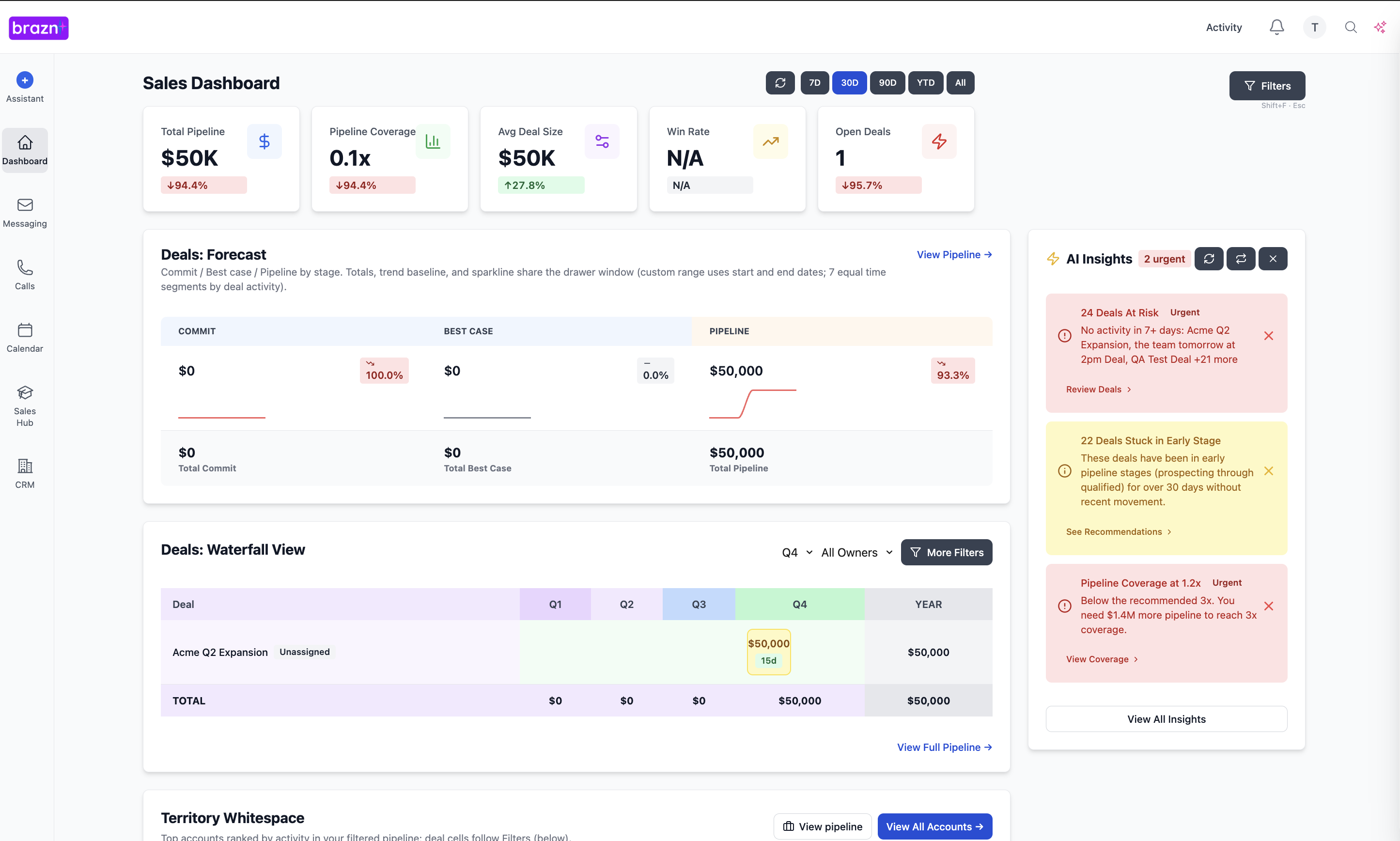
Unifying GTM data is the foundational step for improving the customer experience, increasing operational efficiency, and enabling advanced capabilities like AI-driven forecasting.
- Before: Departments argue because Marketing hit their MQL goal, but Sales missed the revenue target. After: Teams share a unified dashboard tracking the entire funnel, focusing on pipeline generated and closed-won revenue.
- Before: Customers repeat their pain points to the BDR, the AE, and the CSM because notes aren't shared. After: A unified timeline provides every rep with full context, enabling a seamless, consultative experience.
- Before: RevOps spends weeks manually exporting and merging spreadsheets to create a quarterly report. After: Integrated systems provide real-time visibility into revenue performance, enabling agile decision-making.
The Complete Guide
Step 1: Establish a Shared Revenue Taxonomy
Objective: Ensure all departments use the same definitions for key lifecycle stages.
Actionable Advice: Hold a cross-functional workshop to define what constitutes a lead, MQL, SQL, and opportunity. Document these definitions and hard-code them into your CRM and marketing automation platforms.
Best Practices: Base definitions on objective actions (e.g., attended a demo), not subjective feelings (e.g., good fit).
Step 2: Designate the CRM as the Central Hub
Objective: Create a single source of truth that all teams access daily.
Actionable Advice: Integrate all peripheral tools (marketing automation, sales engagement, CS platforms, billing) directly into your CRM. Ensure critical data points are visible on core contact and account records.
Best Practices: Establish clear rules on which system is the master for specific data types to prevent conflicts.
Step 3: Implement Full-Funnel Attribution
Objective: Understand which activities drive closed-won revenue.
Actionable Advice: Deploy attribution tracking that connects top-of-funnel marketing campaigns to closed deals.
Best Practices: Use attribution data to reallocate budget toward channels that generate the highest LTV, not just the most leads.
Step 4: Automate Cross-Departmental Handoffs
Objective: Eliminate friction when a customer moves between teams.
Actionable Advice: Build automated workflows that trigger actions upon stage changes (e.g., Closed-Won creates an onboarding ticket, assigns a CSM, and sends a Slack alert with deal notes).
Best Practices: Include SLAs for these handoffs.
Step 5: Build a Unified Customer Health Dashboard
Objective: Give all teams visibility into the existing customer base.
Actionable Advice: Create a dashboard that combines product usage data, support tickets, NPS, and recent communications.
Best Practices: Use a simple traffic light system (Red/Yellow/Green) to indicate account health.
How to Implement This
RevOps should lead this effort as the neutral arbiter between departments. RevOps owns the data architecture, integrations, and reporting structures.
Technology alone won't solve the problem. Leadership must mandate that all departments use the unified dashboards for reporting and decisions.
Next Steps
Operating in departmental silos is no longer viable. To compete, Sales, Marketing, and CS must operate as a single revenue engine, fueled by a shared view of the customer.
Start by addressing definitions. Schedule a meeting with Sales and Marketing leadership to agree on what a qualified lead is. Once you speak the same language, you can build connected systems that drive predictable revenue outcomes.
From Disconnected Tools to Connected Revenue Outcomes: Unifying Sales, Marketing, and CS Around One View
The modern Go-to-Market stack is a paradox: we have more tools than ever to track customer behavior, yet revenue teams have never felt more disconnected. Marketing looks at engagement metrics in Hubspot, Sales lives in Salesforce pipelines, and Customer Success monitors health scores in Gainsight. When each department operates off its own isolated dashboard, the customer experience fragments, handoffs are fumbled, and revenue leaks out of the gaps.
This siloed approach is no longer viable in a B2B environment where buyers expect a seamless, unified journey from their first website visit to their third renewal. To drive predictable growth, companies must transition from managing disconnected tools to orchestrating connected revenue outcomes.
This article explores how Revops can break down these data silos and create a "Single Source of Truth." We'll detail the steps to unify Sales, Marketing, and CS around a shared view of the customer, ensuring every team is aligned on the metrics that actually drive revenue.
What We'll Cover
In this article, we will cover:
- The hidden costs of a fragmented GTM tech stack
- Why a "Single Source of Truth" is critical for modern B2B SaaS
- How to define shared revenue metrics across departments
- A RevOps playbook for unifying data and workflows
Understanding the Approach
In the context of RevOps, "Connected Revenue Outcomes" means shifting the focus away from departmental KPIs (like Marketing Qualified Leads or Sales Demos Booked) and toward the holistic metrics that impact the bottom line (like Customer Acquisition Cost, Pipeline Velocity, and Net Revenue Retention).
Achieving this requires a unified data architecture where information flows seamlessly between systems. Instead of Sales asking Marketing "where did this lead come from?", the CRM should automatically surface the entire history of the prospect's engagement. This unified view allows teams to stop arguing over whose data is correct and start collaborating on how to move the customer forward.
Example: A customer submits a low NPS score. In a disconnected system, CS tries to save the account while Marketing unknowingly sends them an automated upsell email, causing frustration. In a connected system, the low NPS score automatically triggers a "health risk" flag in the CRM, which pauses all automated marketing emails and alerts the AE and CSM to coordinate a personalized rescue plan.
Why This Matters
Unifying your GTM data is the foundational step for improving the customer experience, increasing operational efficiency, and enabling advanced capabilities like AI-driven forecasting.
- Before: Departments argue in board meetings because Marketing claims they hit their MQL goal, but Sales missed their revenue target. After: Teams share a unified dashboard tracking the entire funnel, focusing on pipeline generated and closed-won revenue.
- Before: Customers have to repeat their pain points to the BDR, the AE, and the CSM because notes aren't shared. After: A unified timeline provides every rep with full context, enabling a seamless, consultative experience.
- Before: RevOps spends weeks manually exporting and merging spreadsheets to create a quarterly report. After: Integrated systems provide real-time visibility into revenue performance, allowing for agile decision-making.
The Complete Guide
Step 1: Establish a Shared Revenue Taxonomy
Objective: Ensure all departments use the exact same definitions for key lifecycle stages.
Actionable Advice: Hold a cross-functional workshop to define exactly what constitutes a "Lead," an "MQL," an "SQL," and an "Opportunity." Document these definitions clearly and ensure they're hard-coded into your CRM and marketing automation platforms.
Best Practices: Base your definitions on objective, measurable actions (e.g., "Attended a demo") rather than subjective feelings (e.g., "Good fit").
Step 2: Designate the CRM as the Central Hub
Objective: Create a single source of truth that all teams access daily.
Actionable Advice: Integrate all peripheral tools (marketing automation, sales engagement, CS platforms, billing) directly into your CRM (e.g., Salesforce or HubSpot). Ensure that critical data points from these tools are visible on the core Contact and Account records.
Best Practices: Avoid bidirectional syncing for every single data point; establish clear rules on which system is the "master" for specific types of data to prevent conflicts.
Step 3: Implement Full-Funnel Attribution
Objective: Understand exactly which marketing and sales activities are driving closed-won revenue.
Actionable Advice: Deploy attribution tracking that connects top-of-funnel marketing campaigns to closed deals. Use a multi-touch model (if possible) to recognize that it usually takes a combination of webinars, ads, and sales calls to close a B2B deal.
Best Practices: Use attribution data to reallocate budget toward the channels that generate the highest LTV, not just the most leads.
Step 4: Automate Cross-Departmental Handoffs
Objective: Eliminate friction and "dropped balls" when a customer moves from one team to another.
Actionable Advice: Build automated workflows in your CRM that trigger specific actions upon stage changes. For example, when an Opportunity is marked "Closed-Won," automatically create a CS onboarding ticket, assign a CSM, and send an internal Slack alert with the deal notes.
Best Practices: Include Service Level Agreements (SLAs) for these handoffs (e.g., CS must reach out within 24 hours of Closed-Won).
Step 5: Build a Unified "Customer Health" Dashboard
Objective: Give all teams visibility into the status of the existing customer base to drive retention and expansion.
Actionable Advice: Create a dashboard that combines product usage data, support ticket volume, NPS scores, and recent communication history. Make this dashboard accessible to Sales (for upsells) and CS (for retention).
Best Practices: Use a simple "Traffic Light" system (Red/Yellow/Green) to quickly indicate account health based on these combined metrics.
How to Implement This
This unification effort must be led by RevOps, acting as the neutral arbiter between departments. RevOps owns the data architecture, the integrations, and the reporting structures.
However, technology alone won't solve the problem. The CRO or CEO must mandate that all departments use the unified dashboards for their reporting and decision-making. If a manager continues to run their team off a private spreadsheet, the single source of truth will fail.
Next Steps
The days of operating in departmental silos are over. To compete in today's market, your Sales, Marketing, and CS teams must operate as a single, cohesive revenue engine, fueled by a shared view of the customer.
Start by addressing the most critical point of friction: the definitions. Schedule a meeting this week with the leaders of Sales and Marketing to formally agree on the definition of a Qualified Lead. Once you speak the same language, you can begin building the connected systems that drive predictable revenue outcomes.
---
####
Book a demo to see how Brazn AI fits into your sales stack.

About the Author

Alex Margarit, Sales AI Expert, SaaS Sales Leader, BMC, ServiceNow, Docusign — 25+ years in SaaS sales.