Content: # Diary of a SaaS CRO: A Week in Pipeline, People, and AI
What does it actually look like to run a revenue organization in the AI era? It's easy to talk about theory, but the day-to-day reality is a constant balancing act between managing people, analyzing pipeline, and deploying new technology.
This article provides a behind-the-scenes look at a week in the life of a SaaS Chief Revenue Officer (CRO), detailing how they use AI to manage forecasting, coach leaders, and drive GTM strategy.
What We'll Cover
In this article, we will cover:
- A daily breakdown of a modern CRO's schedule
- How AI changes the Monday pipeline review
- Using conversation intelligence for mid-week coaching
- Balancing AI implementation with human leadership
Understanding the Approach
For a modern CRO, AI isn't just a tool; it's an operating system. It shifts their focus from gathering data to interpreting it. The diary illustrates how a CRO uses AI risk scores to challenge forecasts, uses conversation telemetry to identify training gaps, and relies on agentic workflows to ensure cross-functional alignment.
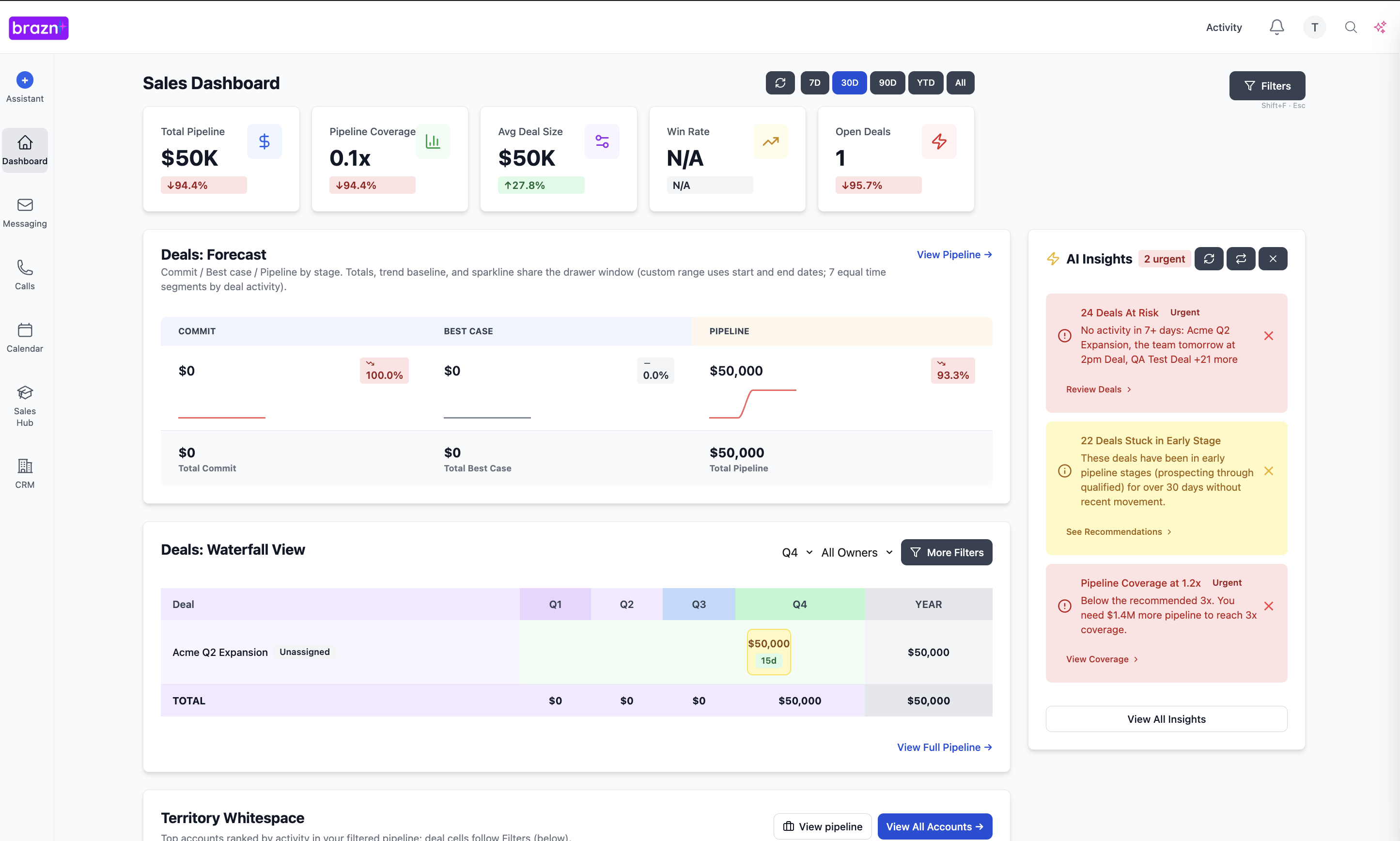
Example: On Tuesday, instead of asking RevOps for a churn report, the CRO reviews an AI-generated dashboard that highlights three enterprise accounts with declining product usage and negative sentiment on recent support calls. The CRO immediately flags these to the VP of Customer Success for intervention.
Why This Matters
This AI-driven operating rhythm allows the CRO to be proactive rather than reactive, leading to more predictable revenue.
- Before: The CRO spends half the week chasing data and compiling spreadsheets for the board. After: The CRO uses AI dashboards to instantly access real-time data, spending their time on strategic execution.
- Before: Coaching is limited to high-level platitudes. After: Coaching is highly specific, based on AI analysis of actual sales conversations.
The Complete Guide
Monday: The AI-Assisted Forecast
Objective: Establish the ground truth for the week.
Actionable Advice: The CRO reviews the AI's pipeline risk scores against the managers' committed forecasts. Discrepancies (e.g., a manager commits a deal the AI flags as high risk) are the focus of the leadership meeting.
Best Practices: Trust the AI data, but allow managers to provide the human context.
Wednesday: The 'Voice of the Market' Review
Objective: Stay connected to buyer sentiment.
Actionable Advice: The CRO spends 30 minutes reviewing an AI-generated summary of all competitor mentions and primary objections raised across the entire sales floor that week.
Best Practices: Use these insights to quickly pivot marketing messaging or update sales battlecards.
Friday: Strategic Alignment and Agent Tuning
Objective: Ensure the revenue engine is running efficiently.
Actionable Advice: The CRO meets with RevOps to review the performance of their automated AI agents (e.g., the SDR outreach agent). They tweak the prompts and parameters based on the week's conversion data.
Best Practices: Treat AI agents like employees; they need continuous feedback and optimization.
How to Implement This
The CRO sets the vision and the operating rhythm. RevOps acts as the CRO's chief of staff, ensuring the AI tools are providing accurate data. Sales, Marketing, and CS leadership must align their departmental cadences with the CRO's AI-driven approach, ensuring a unified GTM motion.
Next Steps
Being a CRO is no longer just about motivating reps; it's about architecting a highly efficient, data-driven revenue engine. Embracing AI is the only way to manage the complexity of modern SaaS growth.
Look at your calendar for next week. How much time is dedicated to gathering data versus acting on insights? Let AI handle the former. Ready to run your revenue org like a modern CRO? Discover Brazn.
Diary of a SaaS CRO: A Week in Pipeline, People, and AI
What does it actually look like to run a revenue organization in the AI era? It's easy to talk about theory, but the day-to-day reality is a constant balancing act between managing people, analyzing pipeline, and deploying new technology.
This article provides a behind-the-scenes look at a week in the life of a SaaS Chief Revenue Officer (CRO), detailing how they use AI to manage forecasting, coach leaders, and drive GTM strategy.
What We'll Cover
In this article, we will cover:
- A daily breakdown of a modern CRO's schedule
- How AI changes the Monday pipeline review
- Using conversation intelligence for mid-week coaching
- Balancing AI implementation with human leadership
Understanding the Approach
For a modern CRO, AI isn't just a tool; it's an operating system. It shifts their focus from gathering data to interpreting it. The diary illustrates how a CRO uses AI risk scores to challenge forecasts, uses conversation telemetry to identify training gaps, and relies on agentic workflows to ensure cross-functional alignment.
Example: On Tuesday, instead of asking RevOps for a churn report, the CRO reviews an AI-generated dashboard that highlights three enterprise accounts with declining product usage and negative sentiment on recent support calls. The CRO immediately flags these to the VP of Customer Success for intervention.
Why This Matters
This AI-driven operating rhythm allows the CRO to be proactive rather than reactive, leading to more predictable revenue.
- Before: The CRO spends half the week chasing data and compiling spreadsheets for the board. After: The CRO uses AI dashboards to instantly access real-time data, spending their time on strategic execution.
- Before: Coaching is limited to high-level platitudes. After: Coaching is highly specific, based on AI analysis of actual sales conversations.
The Complete Guide
Monday: The AI-Assisted Forecast
Objective: Establish the ground truth for the week.
Actionable Advice: The CRO reviews the AI's pipeline risk scores against the managers' committed forecasts. Discrepancies (e.g., a manager commits a deal the AI flags as high risk) are the focus of the leadership meeting.
Best Practices: Trust the AI data, but allow managers to provide the human context.
Wednesday: The 'Voice of the Market' Review
Objective: Stay connected to buyer sentiment.
Actionable Advice: The CRO spends 30 minutes reviewing an AI-generated summary of all competitor mentions and primary objections raised across the entire sales floor that week.
Best Practices: Use these insights to quickly pivot marketing messaging or update sales battlecards.
Friday: Strategic Alignment and Agent Tuning
Objective: Ensure the revenue engine is running efficiently.
Actionable Advice: The CRO meets with RevOps to review the performance of their automated AI agents (e.g., the SDR outreach agent). They tweak the prompts and parameters based on the week's conversion data.
Best Practices: Treat AI agents like employees; they need continuous feedback and optimization.
How to Implement This
The CRO sets the vision and the operating rhythm. RevOps acts as the CRO's chief of staff, ensuring the AI tools are providing accurate data. Sales, Marketing, and CS leadership must align their departmental cadences with the CRO's AI-driven approach, ensuring a unified GTM motion.
Next Steps
Being a CRO is no longer just about motivating reps; it's about architecting a highly efficient, data-driven revenue engine. Embracing AI is the only way to manage the complexity of modern SaaS growth.
Look at your calendar for next week. How much time is dedicated to gathering data versus acting on insights? Let AI handle the former. Ready to run your revenue org like a modern CRO? Discover Brazn.
---
####
Book a demo to see how Brazn AI fits into your sales stack.

About the Author
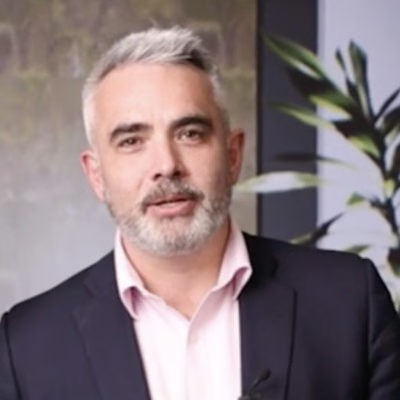
Alex Margarit, Sales AI Expert, SaaS Sales Leader, BMC, ServiceNow, Docusign — 25+ years in SaaS sales.