
Content: # Coaching Loops Tied to Win Rate, Not Hours Logged
Many sales managers measure coaching effectiveness by the number of hours they spend reviewing calls or the number of 1:1s they hold. But activity doesn't equal impact. If win rates aren't improving, those coaching hours are wasted. This article explains how to build 'Coaching Loops' that tie specific coaching interventions directly to changes in win rate, creating a truly data-driven enablement culture.
What We'll Cover
- The flaw in measuring coaching activity
- Defining the Coaching Loop
- Identifying the specific skill gap
- Implementing the intervention
- Measuring the impact on win rate
Understanding the Approach
A Coaching Loop is a structured process of identifying a specific weakness, applying targeted coaching, and then measuring the resulting change in conversion rates for that specific rep. Example: Data shows a rep has a 15% lower win rate than the team average when facing a specific competitor. The manager coaches them specifically on that competitor's weaknesses. The loop is closed only when the rep's win rate against that competitor increases.
Why This Matters
Tying coaching to win rates ensures managers are focused on the interventions that actually drive revenue.
- Before: Coaching is generic and based on gut feeling. After: Coaching is targeted and based on data.
- Before: Managers are praised for doing a lot of coaching. After: Managers are praised for improving rep performance.
- Before: Enablement ROI is subjective. After: Enablement ROI is definitively proven through increased win rates.
The Complete Guide
Step 1: Isolate the Variable
Objective: Find the specific point of failure.
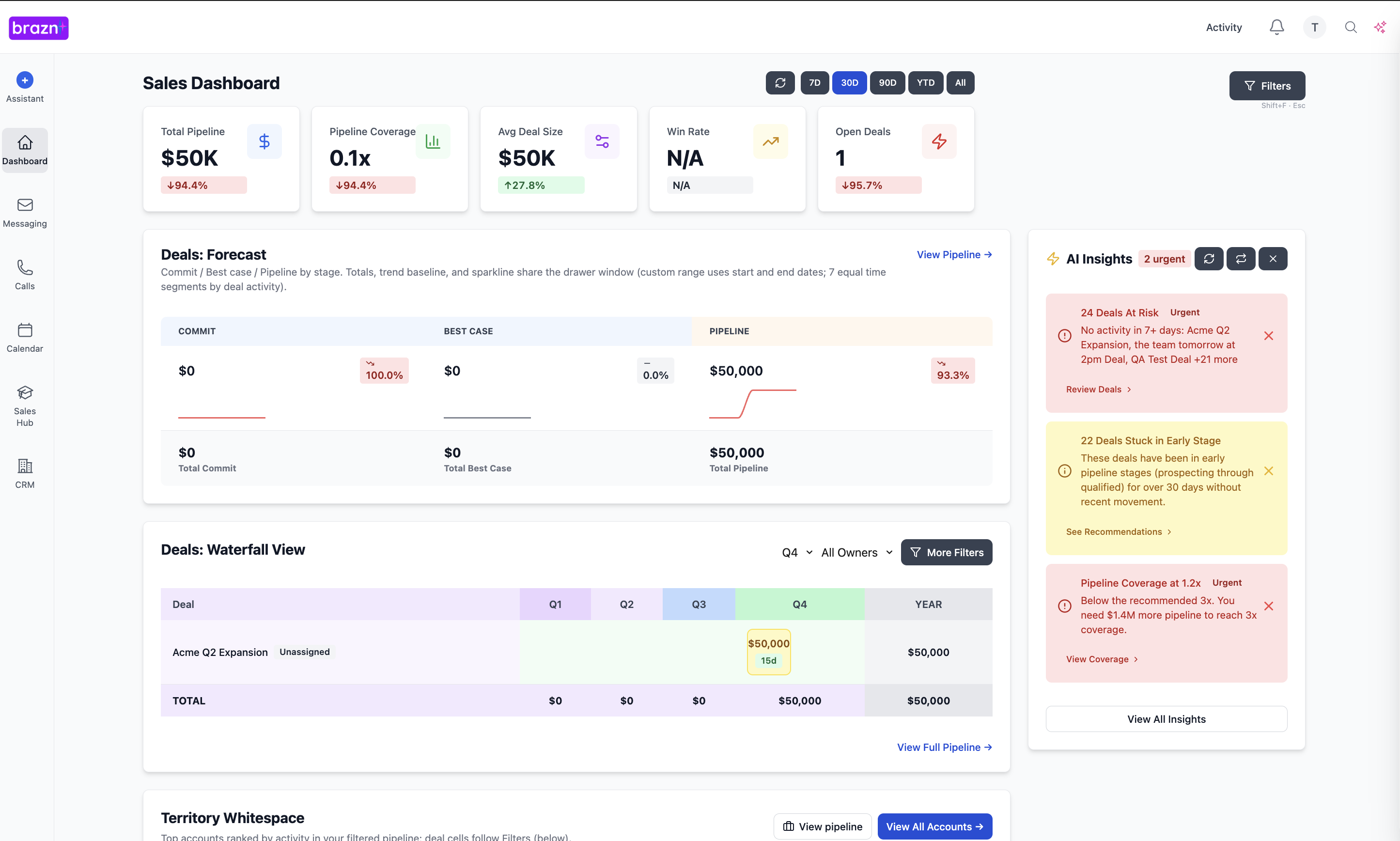
Actionable Advice: Use RevOps data to pinpoint exactly where a rep is struggling (e.g., their conversion rate from 'Discovery' to 'Demo' is 20% below average).
Step 2: Apply the Targeted Coaching
Objective: Fix the specific problem.
Actionable Advice: Don't do a general deal review. Spend the entire 1:1 role-playing the transition from discovery to demo until the rep masters the new talk track.
Step 3: Measure the Delta
Objective: Close the loop.
Actionable Advice: Track the rep's conversion rate for that specific stage over the next 30 days. If it doesn't improve, the coaching intervention failed and must be adjusted.
How to Implement This
RevOps must provide the granular conversion data needed to isolate skill gaps. Sales Managers must shift from 'inspecting the pipeline' to executing these specific coaching loops. Enablement provides the frameworks and content for the interventions.
Next Steps
Stop measuring how much you coach; start measuring how much your coaching works. Choose one rep this week, use data to identify their biggest specific weakness, and run a dedicated coaching loop to fix it.
Coaching Loops Tied to Win Rate, Not Hours Logged
Many sales managers measure coaching effectiveness by how many hours they spend reviewing calls or how many 1:1s they hold.
But activity doesn’t equal impact. If win rates aren’t improving, those coaching hours are wasted.
This article explains how to build coaching loops that tie specific interventions directly to changes in win rate—creating a truly data-driven enablement culture.
What we’ll cover
- The flaw in measuring coaching activity
- What a coaching loop is
- How to identify the specific skill gap
- How to implement an intervention
- How to measure impact on win rate
Understanding the approach
A coaching loop is a structured process of:
1. Identifying a specific weakness
2. Applying targeted coaching
3. Measuring the resulting change in conversion rates for that rep
Example: Data shows a rep has a 15% lower win rate than the team average when facing a specific competitor. The manager coaches the rep on that competitor’s weaknesses. The loop is “closed” only when the rep’s win rate against that competitor improves.Why this matters
Tying coaching to win rates ensures managers focus on interventions that actually drive revenue.
- Before: Coaching is generic and based on gut feel. After: Coaching is targeted and based on data.
- Before: Managers are praised for doing a lot of coaching. After: Managers are praised for improving rep performance.
- Before: Enablement ROI is subjective. After: Enablement ROI is proven through increased win rates.
The complete guide
Step 1: Isolate the variable
Objective: Find the specific point of failure. Actionable advice: Use RevOps data to pinpoint where a rep is struggling (e.g., their conversion rate from discovery to demo is 20% below average).Step 2: Apply targeted coaching
Objective: Fix the specific problem. Actionable advice: Don’t do a general deal review. Spend the entire 1:1 role-playing the specific moment (e.g., the transition from discovery to demo) until the rep masters the talk track.Step 3: Measure the delta
Objective: Close the loop. Actionable advice: Track the rep’s conversion rate for that stage over the next 30 days. If it doesn’t improve, the intervention failed and should be adjusted.How to implement this
- RevOps: Provides the granular conversion data needed to isolate skill gaps.
- Sales managers: Shift from “inspecting the pipeline” to running coaching loops.
- Enablement: Provides frameworks and content for the interventions.
Next steps
Stop measuring how much you coach; start measuring how much your coaching works.
Choose one rep this week, use data to identify their biggest specific weakness, and run a dedicated coaching loop to fix it.
####
Book a demo to see how Brazn AI fits into your sales stack.

About the Author
Alex Margarit, Sales AI Expert, SaaS Sales Leader, BMC, ServiceNow, Docusign — 25+ years in SaaS sales.