
Content: # Beyond Lead Cost: Measuring the Cost of Conviction
Marketing teams obsess over Cost-Per-Lead (CPL), but a cheap lead that never converts is useless. Sales teams focus on Customer Acquisition Cost (CAC), but that metric is often a lagging indicator. To truly understand the efficiency of your GTM motion, you need to measure the 'Cost of Conviction'—the total resources required to move a buyer from initial interest to a signed contract.
What We'll Cover
- The limitations of CPL and CAC
n- Defining the Cost of Conviction
- The hidden costs of long sales cycles
- Measuring the impact of 'friction' on the deal
- Strategies to lower the Cost of Conviction
Understanding the Approach
The Cost of Conviction encompasses all the effort (marketing spend, SDR touches, AE meeting hours, Sales Engineering time, Legal review) required to convince a buyer to purchase. In RevOps, tracking this metric reveals the true efficiency of the sales process.
Example: Two deals might have the same contract value and the same initial CPL. However, Deal A closed after 3 meetings, while Deal B required 10 meetings, a custom demo, and 4 weeks of legal negotiation. Deal B's Cost of Conviction is significantly higher, meaning its true profitability is lower.
Why This Matters
Understanding the Cost of Conviction allows revenue leaders to identify and eliminate the hidden inefficiencies in their sales motion.
- Before: Success is measured purely by revenue won. After: Success is measured by revenue won efficiently.
- Before: Long sales cycles are accepted as the norm. After: Long sales cycles are targeted for optimization.
- Before: Sales Engineering time is treated as free. After: SE time is allocated strategically based on the deal's potential ROI.
The Complete Guide
Step 1: Track the Time
Objective: Quantify the human effort.
Actionable Advice: Use CRM data and calendar integrations to track the total number of meetings and internal resources (SEs, Execs) dedicated to each opportunity.
Step 2: Identify the Friction Points
Objective: Find where conviction stalls.
Actionable Advice: Analyze the deal stages where opportunities spend the most time. If deals stall in 'Legal,' the friction is in the contracting process.
Step 3: Deploy Friction-Reducing Plays
Objective: Lower the cost.
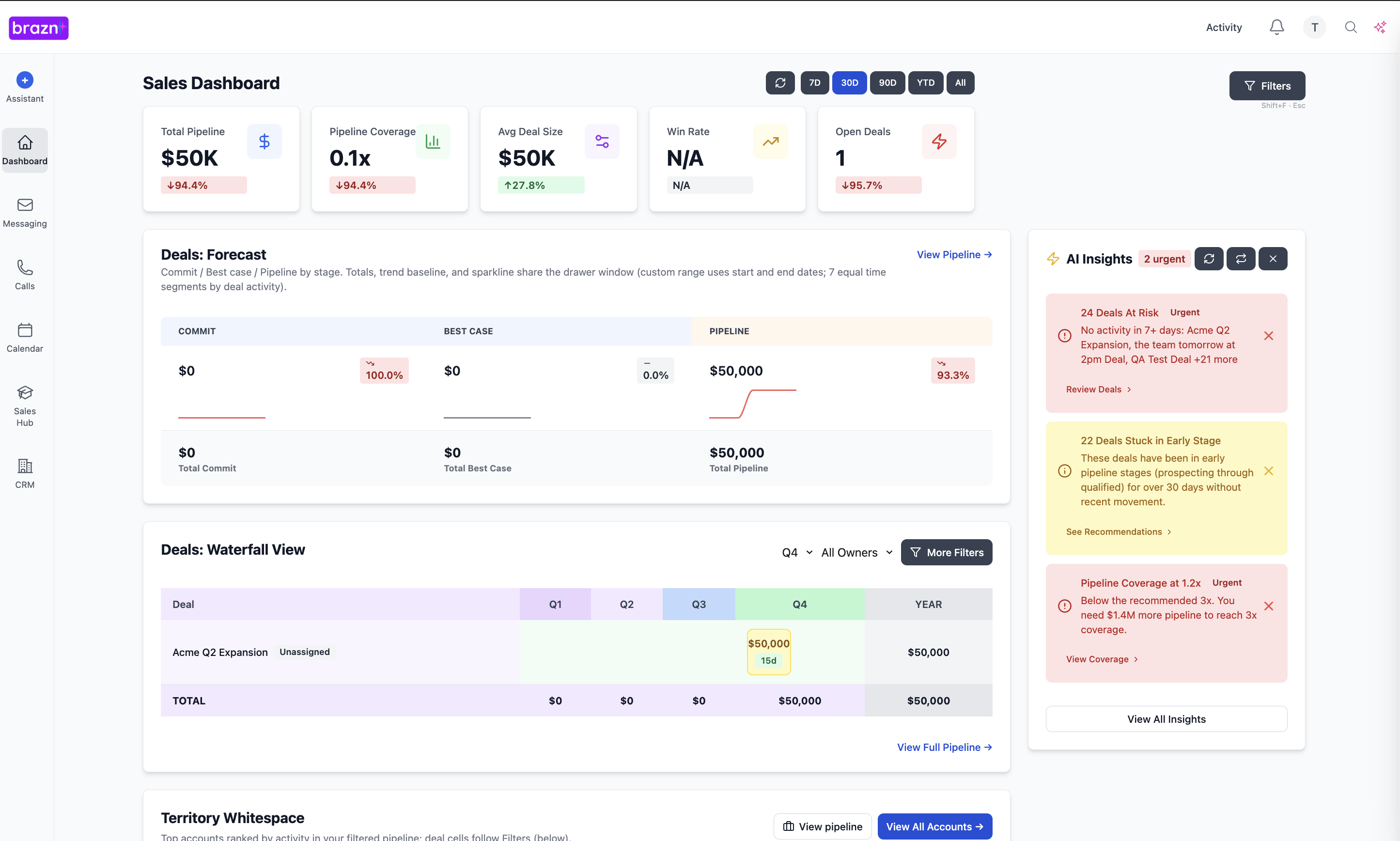
Actionable Advice: If discovery calls are taking too long, deploy AI-generated account briefs to speed up prep. If proposals are stalling, create standardized, pre-approved pricing packages.
How to Implement This
RevOps is responsible for building the reporting framework to measure the Cost of Conviction. Sales Leadership must use this data to coach reps on deal velocity and resource allocation. Enablement must provide the tools (e.g., better battlecards) to help reps build conviction faster.
Next Steps
Stop celebrating deals that cost more to close than they're worth. Start measuring the Cost of Conviction to truly understand the efficiency of your revenue engine. Look at your last three closed-won deals and estimate the total hours your team spent on each; the variance might surprise you.
Hero image
Beyond Lead Cost: Measuring the Cost of Conviction
Marketing teams obsess over Cost-Per-Lead (CPL), but a cheap lead that never converts is useless. Sales teams focus on Customer Acquisition Cost (CAC), but that metric is often a lagging indicator. To truly understand the efficiency of your GTM motion, you need to measure the "Cost of Conviction"—the total resources required to move a buyer from initial interest to a signed contract.
What We'll Cover
- The limitations of CPL and CAC
- Defining the Cost of Conviction
- The hidden costs of long sales cycles
- Measuring the impact of "friction" on the deal
- Strategies to lower the Cost of Conviction
Understanding the Approach
The Cost of Conviction encompasses all the effort (marketing spend, SDR touches, AE meeting hours, Sales Engineering time, Legal review) required to convince a buyer to purchase. In Revops, tracking this metric reveals the true efficiency of the sales process.
Example: Two deals might have the same contract value and the same initial CPL. However, Deal A closed after 3 meetings, while Deal B required 10 meetings, a custom demo, and 4 weeks of legal negotiation. Deal B's Cost of Conviction is significantly higher, meaning its true profitability is lower.
Why This Matters
Understanding the Cost of Conviction allows revenue leaders to identify and eliminate the hidden inefficiencies in their sales motion.
- Before: Success is measured purely by revenue won. After: Success is measured by revenue won efficiently.
- Before: Long sales cycles are accepted as the norm. After: Long sales cycles are targeted for optimization.
- Before: Sales Engineering time is treated as free. After: SE time is allocated strategically based on the deal's potential ROI.
The Complete Guide
Step 1: Track the Time
Objective: Quantify the human effort.
Actionable Advice: Use CRM data and calendar integrations to track the total number of meetings and internal resources (SEs, Execs) dedicated to each opportunity.
Step 2: Identify the Friction Points
Objective: Find where conviction stalls.
Actionable Advice: Analyze the deal stages where opportunities spend the most time. If deals stall in "Legal," the friction is in the contracting process.
Step 3: Deploy Friction-Reducing Plays
Objective: Lower the cost.
Actionable Advice: If Discovery Calls are taking too long, deploy AI-generated account briefs to speed up prep. If proposals are stalling, create standardized, pre-approved pricing packages.
How to Implement This
RevOps is responsible for building the reporting framework to measure the Cost of Conviction. Sales Leadership must use this data to coach reps on deal velocity and resource allocation. Enablement must provide the tools (e.g., better battlecards) to help reps build conviction faster.
Next Steps
Stop celebrating deals that cost more to close than they're worth. Start measuring the Cost of Conviction to truly understand the efficiency of your revenue engine. Look at your last three closed-won deals and estimate the total hours your team spent on each; the variance might surprise you.
####
Book a demo to see how Brazn AI fits into your sales stack.

About the Author
Alex Margarit, Sales AI Expert, SaaS Sales Leader, BMC, ServiceNow, Docusign — 25+ years in SaaS sales.