
AI Sales Tools for SaaS EdTech
EdTech is one of the most mission-driven categories in SaaS — and one of the most commercially challenging. Budget cycles are tied to academic years. Procurement processes are slow, rules-heavy, and often involve committees. Buyers are educators or administrators who may have limited commercial experience. And the decision criteria mix pedagogical outcomes with IT requirements and financial constraints in ways that few other categories do.
AI sales tools don't change the fundamental dynamics of EdTech procurement. But they help teams work more efficiently within them — building more pipeline, qualifying more accurately, and spending less time on admin.
---
The EdTech Sales Environment
Budget seasonalityEdTech deals cluster around fiscal and academic year windows — Q1 and Q2 of the calendar year for US K-12, different cycles for HE institutions and international markets. Missing a buying window by 4 weeks can mean a 9-month wait. AI tools that track where each account is in their procurement cycle help teams prioritise correctly.
Committee-based decisionsMost institutional EdTech decisions involve multiple stakeholders: IT, academic leadership, procurement, finance, sometimes faculty or student representatives. Knowing who is in the room — and what each cares about — before an evaluation starts is a significant advantage.
Compliance and data protection requirementsFERPA in the US, GDPR in Europe, and a range of regional frameworks govern how student data can be handled. These aren't box-ticking exercises — they're genuine deal-blockers if not addressed early. AI can help reps surface and prepare for these requirements in advance.
Outcome-focused buying criteriaEdTech buyers don't just buy features. They buy outcomes: student engagement, learning outcomes, teacher efficiency, administrative burden reduction. Sales messaging that leads with product features misses the brief entirely.
---
How AI Sales Tools Apply in EdTech
1. Procurement cycle trackingAI tools integrated with CRM and enrichment data can flag when a target institution is entering a buying window — based on fiscal year, known contract renewal dates, or public tender announcements. Getting in early in a cycle is the single biggest driver of win rate in EdTech procurement.
2. Stakeholder mapping for committee decisionsIn EdTech, the champion (a Head of Digital Learning) and the Economic Buyer (a CFO or Director of Finance) often have completely different priorities. AI helps reps map the full committee before entering an evaluation — identifying who hasn't been contacted yet and what they're likely to need.
3. Outcome-based messaging generationAI can reframe product-level discovery notes into outcome language: "Based on what [Contact] said about student completion rates, here's how to position [Feature] in terms of the learning outcome they're tracking." This closes the gap between sales language and buyer language.
4. Compliance pre-screeningBefore a call with an institution's IT or data governance team, AI can brief reps on the applicable data protection framework, the most common questions they'll face, and the documentation typically required. Reps show up prepared rather than scrambling to connect the compliance team after the fact.
5. CRM hygiene across slow cyclesEdTech deals can go quiet for months between engagement points. AI keeps CRM records current from any interaction that does happen — so context isn't lost when a prospect re-engages six months later.
---
The Pattern to Watch For
The most common EdTech loss pattern: strong champion, enthusiastic evaluation, then procurement drags the decision into a budget cycle the team can't influence. AI deal scoring that monitors time-in-stage and flags procurement-stage stalls early gives managers time to escalate or re-route.
---
####
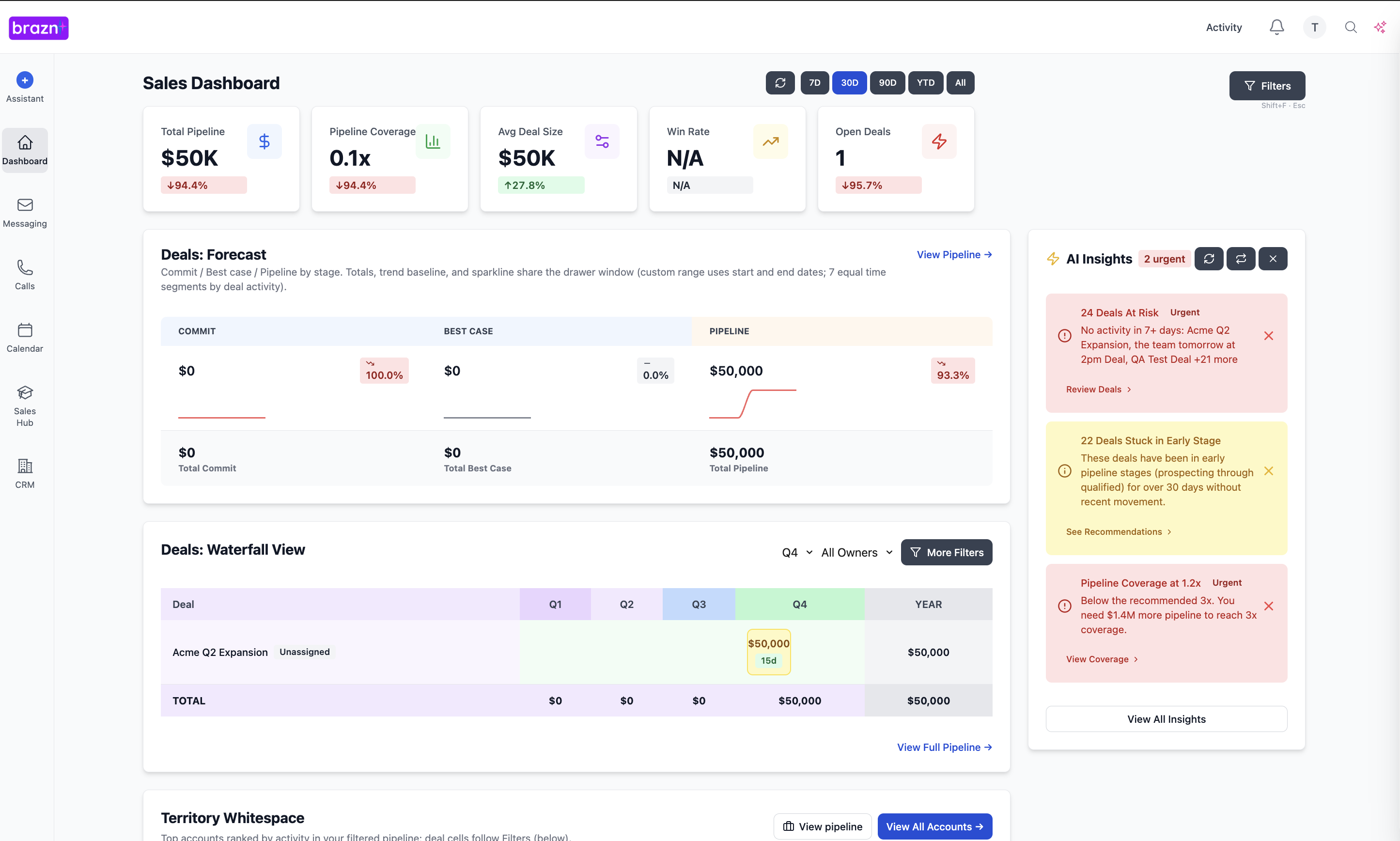
Book a demo to see how Brazn AI fits into your sales stack.

About the Author

Alex Margarit, Sales AI Expert, SaaS Sales Leader, BMC, ServiceNow, Docusign — 25+ years in SaaS sales.