The AI Pre-Call Research Prompt Pack for SaaS Sales Reps
The quality of a sales call is determined before it starts. Reps who show up with a clear hypothesis of value, a sharp understanding of the account's business context, and targeted questions based on real research consistently outperform reps who wing it. The problem is time — thorough pre-call research used to take 30–45 minutes per account. With AI, it takes under five.
This prompt pack gives you eight ready-to-use AI prompts for pre-call research. Each prompt is structured so you can paste in readily available context — the company's LinkedIn About section, recent news, job postings, previous call notes — and get back a specific, actionable output you can use immediately. Use these before discovery calls, demos, executive meetings, and renewal conversations.
The 8 Pre-Call Research Prompts
---
Prompt 1: Build a Business Context Brief
When to use: Before any first or second call with a new prospect.> You are a SaaS sales researcher preparing a rep for a discovery call. Based on the context below, write a 3-paragraph business brief covering: (1) the company's current growth stage, strategic priorities, and any recent news worth referencing; (2) the most likely business pain for a [role/title] at this company given their size, industry, and context; (3) one hypothesis of value — a one-sentence statement of the problem [product] solves for this specific company. Be specific. Avoid generic observations. Context: [paste company About, recent news, job postings, LinkedIn activity].
>
---
Prompt 2: Generate Discovery Questions from Account Context
When to use: Before a discovery or qualification call.> Based on the following account context and the value drivers of [product], generate 8 discovery questions for my upcoming call with [title] at [company]. Questions should uncover: (1) current state and pain, (2) business impact of the pain, (3) what they've tried before, (4) decision process and timeline, (5) stakeholders involved. Make each question specific to this account — not generic. Context: [paste].
>
---
Prompt 3: Build a Stakeholder Brief for a Specific Person
When to use: Before a call with a new stakeholder you haven't met before.> Based on the following LinkedIn profile and any other context provided, write a one-paragraph brief on [name] covering: their likely priorities in their role, how they typically engage with vendors, what they will care about most in a [product] conversation, and one personalised observation I can use to build rapport early. Profile: [paste LinkedIn summary, recent posts, shared connections, tenure]. Company context: [paste].
>
---
Prompt 4: Identify Trigger Events Worth Referencing
When to use: Before re-engaging a cold account or adding personalisation to outreach.> Review the following recent activity for [company] and identify the 2–3 most relevant trigger events for a [product category] conversation. For each trigger, explain: what happened, why it creates a relevant pain or opportunity, and how I should reference it in my opening. Context: [paste recent news, job postings, LinkedIn posts, earnings mentions, funding announcements].
>
---
Prompt 5: Summarise Previous Interactions and Surface Gaps
When to use: Before a follow-up call or late-stage meeting with an existing prospect.> Review the following notes from previous interactions with [company] and produce: (1) a one-paragraph summary of where we are in the deal, (2) a list of MEDDPICC elements we have confirmed vs. still need to uncover, (3) the 3 most important things I need to accomplish in this next call to advance the deal. Previous notes: [paste call notes, email threads, CRM activity].
>
---
Prompt 6: Generate a Hypothesis of Value
When to use: Before a first call to anchor your opening with a strong point of view.> Based on this company's context, write a hypothesis of value I can use to open my discovery call. The hypothesis should: name the likely business problem in their language (not product language), quantify the impact of that problem if possible, and position [product] as the solution — without pitching. Keep it to 2–3 sentences. I'll use this to test my understanding and invite the prospect to correct me. Context: [paste].
>
---
Prompt 7: Map the Likely Buying Committee
When to use: Before a call where you want to discuss next steps and multi-threading.> Based on the following company information and the job titles I've identified so far, map out the likely buying committee for a [product] purchase at [company]. For each role, suggest: their likely title, their role in the decision (Champion, Economic Buyer, Technical Buyer, Procurement), their primary concern, and the best way to engage them. Company size: [X]. Industry: [Y]. Titles identified: [list].
>
---
Prompt 8: Prepare for Likely Objections
When to use: Before any call where pushback is likely — demos, pricing conversations, or late-stage reviews.> Based on this prospect's context, role, and the current stage of our deal, list the 3 most likely objections they will raise in our next call. For each objection, provide: (1) why they're likely to raise it, (2) what the real underlying concern is, (3) a one-paragraph response that acknowledges their concern and reframes it without being defensive. Context: [paste deal notes, prospect role, previous conversations].
>
---
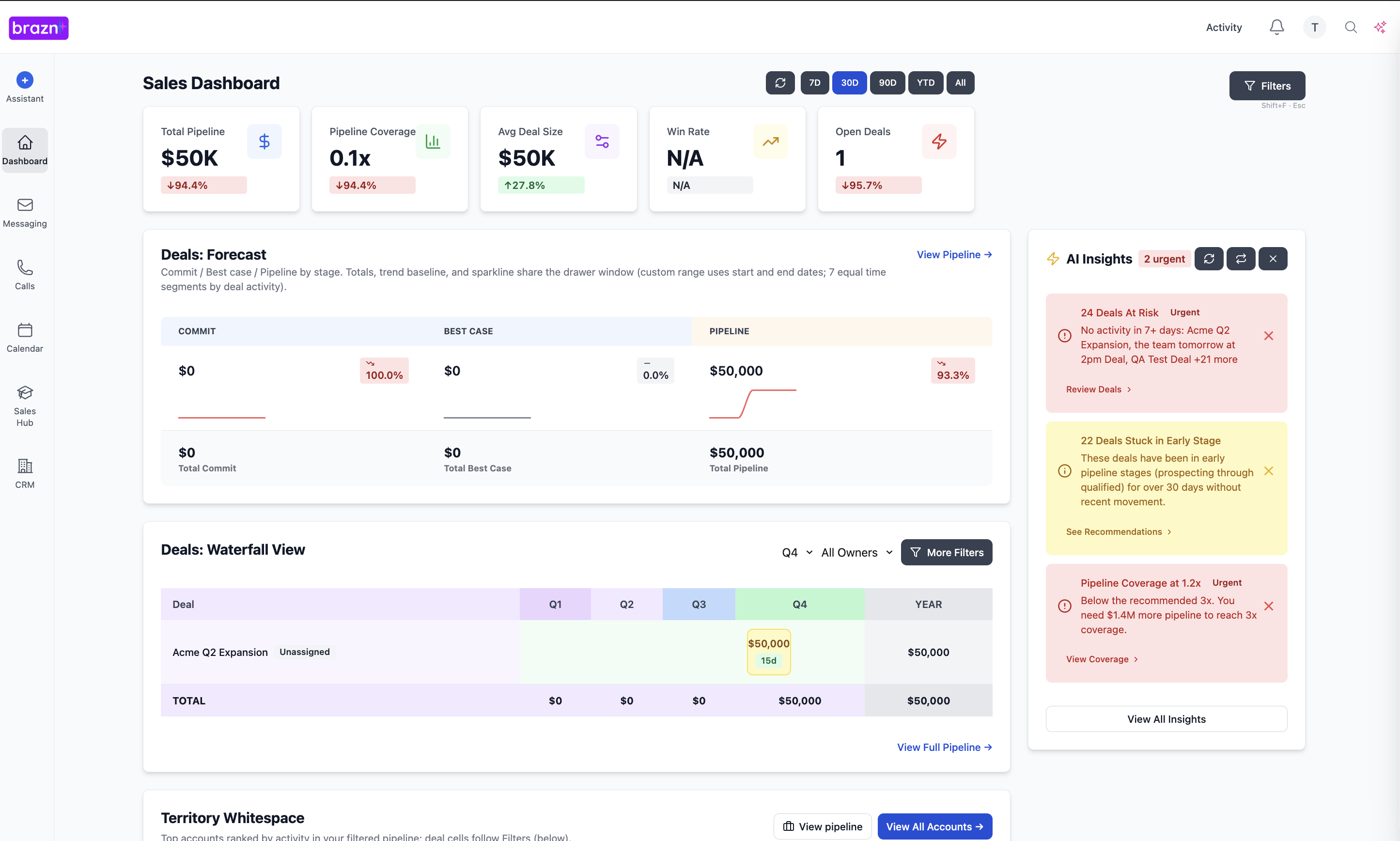
Want all 8 prompts pre-loaded into your sales workflow? Brazn users get AI-powered pre-call research built in.---
Book a demo to see how Brazn AI fits into your sales stack.

About the Author
Alex Margarit, Sales AI Expert, SaaS Sales Leader, BMC, ServiceNow, Docusign — 25+ years in SaaS sales.