
Follow-up is where most deals are won or lost. The initial call, the demo, the proposal — those are table stakes. What separates high performers is what happens between those moments: the timely, relevant, personalised follow-up that keeps momentum alive, reinforces value, and moves the deal forward. AI makes great follow-up effortless.
This prompt pack gives you 10 ready-to-use prompts covering every follow-up scenario in a SaaS sales cycle. Each prompt is structured so you can paste in your call notes or deal context and get back a draft email in under 60 seconds. Adapt the tone, adjust the details, and send.
The 10 Follow-Up Email Prompts
---
Prompt 1: Post-Discovery Call Follow-Up
When to use: Within 2 hours of a discovery call.> Write a follow-up email after a discovery call with [name], [title] at [company]. The email should: open with a one-sentence recap of the core pain we discussed, confirm the agreed next steps with dates and owners, and close with one sentence reinforcing why solving this problem matters to their business. Tone: warm and direct. Keep it under 150 words. Call notes: [paste].
>
---
Prompt 2: Post-Demo Follow-Up
When to use: Same day as the demo.> Write a follow-up email after a product demo with [name] at [company]. Include: a brief recap of the specific use cases we showed that resonated most, a direct response to the main question or concern they raised during the demo, the agreed next steps, and a one-sentence CTA. Avoid restating everything we showed — focus on what mattered to them. Demo notes: [paste].
>
---
Prompt 3: Follow-Up After No Response (Day 3)
When to use: 3 days after a meeting or previous email with no reply.> Write a short follow-up email to [name] at [company] who hasn't responded to my previous email. The email should: reference the previous conversation briefly, add one new piece of value (a relevant insight, stat, or customer story), and end with a simple, low-friction question. Keep it under 80 words. Previous email context: [paste].
>
---
Prompt 4: Value-Add Follow-Up (Day 7)
When to use: 7 days after initial outreach or a meeting, when you want to add new value rather than just chase.> Write a follow-up email to [name] at [company] that leads with a piece of genuinely useful content or insight relevant to their business context — not a product pitch. The insight should connect naturally to the pain we've discussed and position [product] as relevant without being pushy. Context about their pain and previous conversations: [paste]. Insight or content to reference: [paste or describe].
>
---
Prompt 5: Breakup Email (Day 14)
When to use: Final touch in a sequence when a prospect has gone completely silent.> Write a breakup email to [name] at [company] who has not responded after multiple attempts. The email should: acknowledge that the timing might not be right, leave the door open for future conversation, and end with a simple yes/no question that makes it easy for them to respond if they're still interested. Tone: respectful, no guilt-tripping. Under 60 words. Context: [paste].
>
---
Prompt 6: Post-Meeting Internal Summary (for Champion)
When to use: After a key meeting, to give your champion something to share internally.> Write a short internal summary my champion at [company] can share with their team after our meeting. It should cover: the problem we discussed, the solution approach, the expected business impact, and proposed next steps. Write it from the champion's perspective, not the vendor's. Tone: professional and concise. Meeting notes: [paste].
>
---
Prompt 7: Proposal Follow-Up
When to use: 2–3 days after sending a proposal with no response.> Write a follow-up email to [name] at [company] after sending a proposal. The email should: confirm they received it, reference the specific business outcome the proposal is designed to deliver (not the features), invite any questions or concerns, and suggest a brief call to walk through it together. Keep it under 100 words. Proposal context: [paste].
>
---
Prompt 8: Re-Engage a Stalled Deal
When to use: When a deal has gone quiet for 2+ weeks after previously showing momentum.> Write a re-engagement email to [name] at [company] for a deal that has stalled. The email should: acknowledge the gap without dwelling on it, reference something new — a relevant customer story, a product update, a business trigger from their side — and propose a specific next step to restart the conversation. Tone: confident and forward-looking. Deal context and reason for stall: [paste].
>
---
Prompt 9: Multi-Thread to a New Stakeholder
When to use: When you want to engage a second or third stakeholder at an account where you're already in conversation.> Write a first email to [new stakeholder name], [title] at [company]. I am already in conversation with [existing contact name] about [product]. The email should: introduce me briefly, frame the value of [product] from this stakeholder's specific perspective (not a generic pitch), and ask for 15 minutes. Do not make the existing relationship awkward — position it as a natural extension. Context: [paste].
>
---
Prompt 10: Closed-Lost Re-Engage (90 Days Later)
When to use: 90 days after a deal was lost, to test whether circumstances have changed.> Write a re-engagement email to [name] at [company] for a deal we lost [X months] ago. The email should: reference the original conversation briefly, acknowledge that we lost without dwelling on it, highlight something that has changed — on our side or theirs — that makes it worth revisiting, and ask one simple question to test their openness. Tone: low-pressure and genuine. Original deal context and reason lost: [paste].
>
---
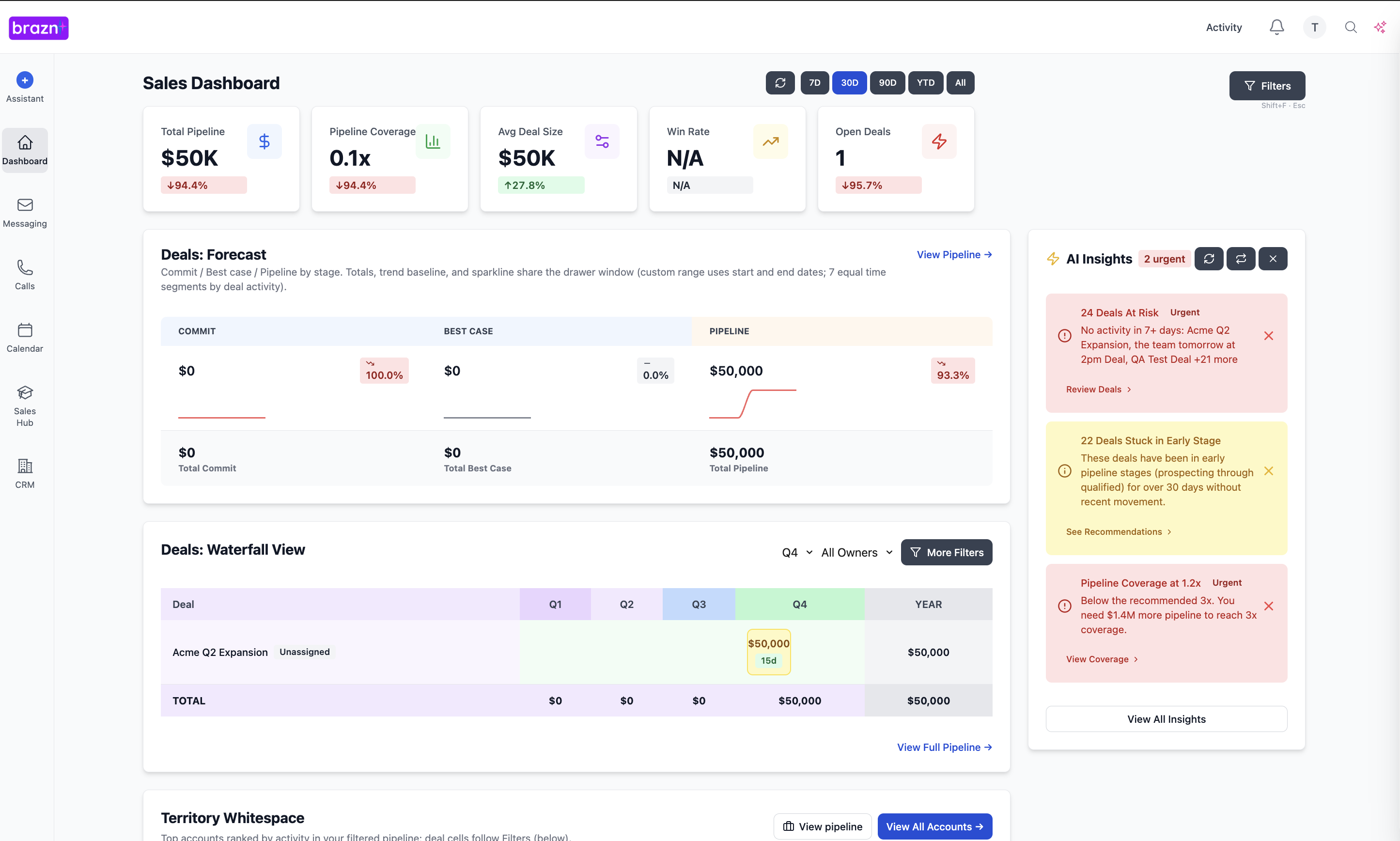
Want these prompts built into your sales workflow? Brazn users get AI-generated follow-ups after every call — no copy-paste required.---
Book a demo to see how Brazn AI fits into your sales stack.

About the Author

Alex Margarit, Sales AI Expert, SaaS Sales Leader, BMC, ServiceNow, Docusign — 25+ years in SaaS sales.